Europe’s Battlegrounds: How Historic Sites of Conflict Shape Culture, Tourism, and Education
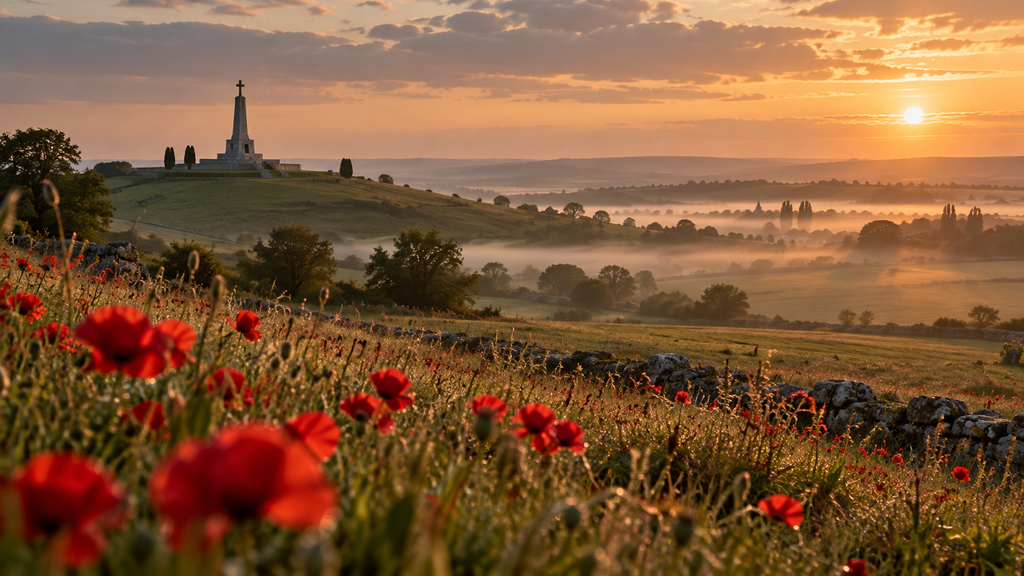
Throughout history, Europe’s battlegrounds have stood as silent witnesses to the pivotal moments that forged nations and changed the world. From the muddy fields of Flanders to the sun-scorched pass at Thermopylae, from the beaches of Normandy to the slopes of Waterloo, these hallowed grounds carry the weight of centuries.
Their significance, however, extends far beyond marking where battles were won or lost. Europe’s military heritage sites have a profound and lasting impact on local culture, tourism, and education — serving as focal points for remembrance, identity, and learning that remain deeply relevant today.
Influence on Local Culture
Historical battlegrounds often become deeply woven into the fabric of local culture, shaping the identity and traditions of nearby communities.
Preservation of Local History and Heritage
The presence of a significant battlefield leads to increased efforts to preserve not only the site itself but also the surrounding area’s historical character. Local governments and organizations often work to maintain period architecture, protect landscapes, and safeguard artifacts related to the battle. This preservation effort extends beyond the immediate vicinity of the battlefield, influencing urban planning and development.
Free Download
The WWI Battlefield Visitor Checklist
Everything to see, pack, and plan before you visit the Western Front — straight to your inbox.
No spam — just battlefield travel guides. Unsubscribe any time.
Incorporation of Battle Narratives into Local Identity
Communities near famous battlegrounds often incorporate elements of the battle’s history into their local identity. This can manifest in various ways, from town slogans and local business names to public art installations and community events. For example, the town of Gettysburg, Pennsylvania, has embraced its Civil War history so thoroughly that it permeates nearly every aspect of local life, from street names to the focus of many local businesses.
Annual Commemorations and Reenactments
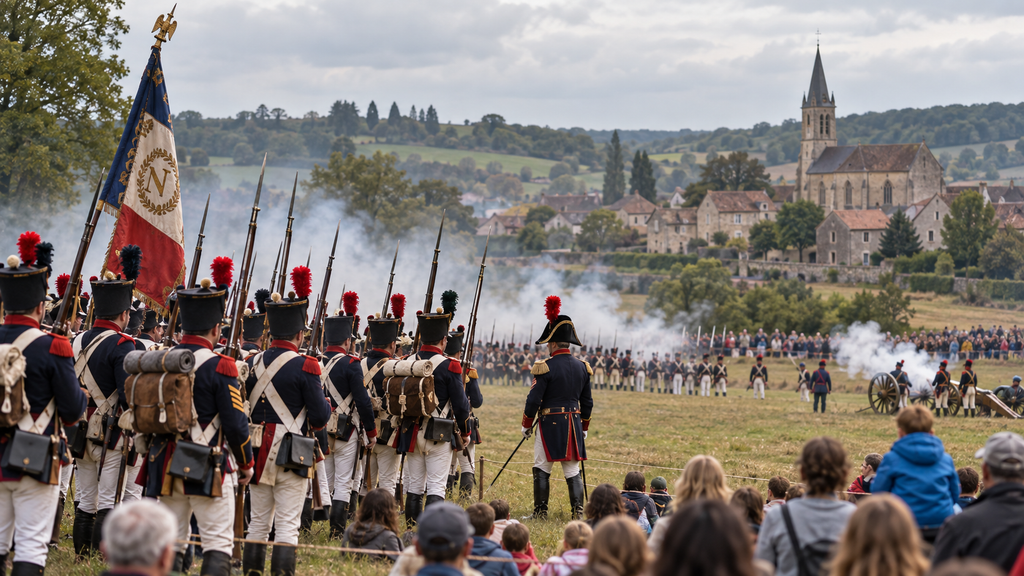
Many battleground sites host annual commemorations or reenactments, which become significant cultural events for the local community. These events not only honor the historical significance of the battle but also serve as community gatherings. These gatherings strengthen local bonds and attract visitors. Reenactments have evolved into elaborate affairs that involve thousands of participants and spectators, becoming a unique form of living history that blends education, entertainment, and commemoration.
Impact on Local Arts and Literature
The presence of a famous battlefield often inspires local artists, writers, and musicians. Many create works that explore the battle’s themes, its impact on the community, or the broader historical context. This artistic engagement helps keep the history alive and relevant, offering new perspectives and interpretations for each generation. Local museums and galleries frequently feature battle-related exhibitions, further cementing the event’s place in the cultural consciousness of the area.
The influence of historical battlegrounds on local culture is a dynamic and ongoing process. As societal values and historical interpretations evolve, so too does the relationship between these sites and the communities that surround them. This cultural impact forms the foundation for the battlegrounds’ significance in tourism and education.
Effects on Tourism
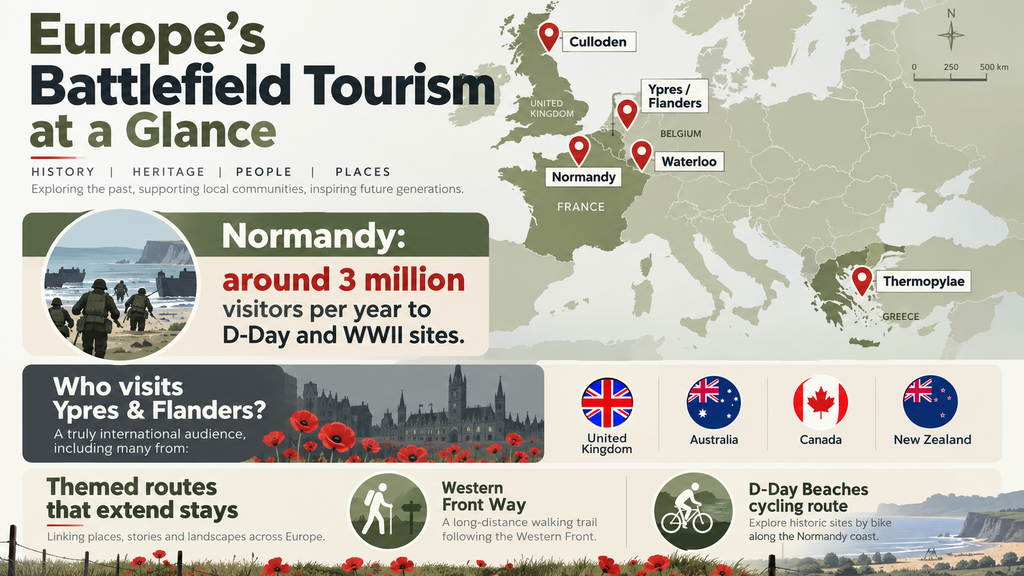
Europe’s military heritage sites are among the most-visited destinations on the continent, drawing visitors from across the world and generating substantial economic activity in the communities around them.
Europe’s battlegrounds as global destinations
The Western Front, the D-Day beaches, Waterloo, Thermopylae, and Culloden are internationally known destinations that attract millions of visitors annually. Normandy alone receives around three million visitors per year to its D-Day and WWII sites, with significant economic impact across the Calvados and Manche departments. Ypres and the Flanders battlefields draw visitors predominantly from the UK, Australia, Canada, and New Zealand — countries with deep personal connections through family history and national memory.
Integration with regional tourism
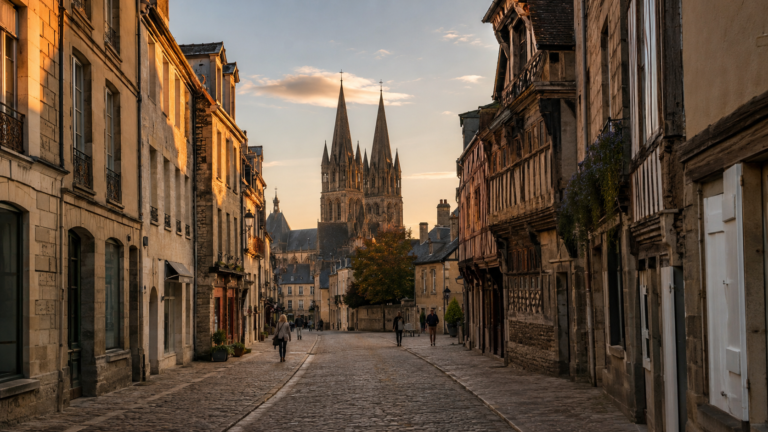
Europe’s battlefield sites rarely exist in isolation — they anchor broader regional tourism economies. In Normandy, battlefield visits are woven together with stays in rural gîtes, visits to local markets, and trips to the medieval town of Bayeux and its famous tapestry. In Belgium, the battlefield heritage of Ypres supports a thriving hospitality sector, with specialist tour operators, accommodation providers, and restaurants all oriented around the visiting history traveller. Themed routes — the Western Front Way long-distance trail, the D-Day Beaches cycling route — extend visitor stays and spread economic benefit across wider regions.
The balance between reverence and accessibility
European battlefield sites face a genuine tension between honouring the solemnity of what happened and creating the kind of visitor experience that sustains long-term engagement. The best-managed sites — the In Flanders Fields Museum in Ypres, the Mémorial de Caen, the Waterloo Battlefield visitor centre — have found ways to be both emotionally resonant and practically accessible, investing in modern interpretation while protecting the integrity of the landscape. Others continue to wrestle with commercialisation pressures. Getting this balance right matters, not just for visitors but for the communities whose identity is bound up in these places.
Educational Value
For students, researchers, and independent travellers alike, Europe’s battlegrounds offer an educational depth that no classroom or textbook can fully replicate.
Learning on the ground
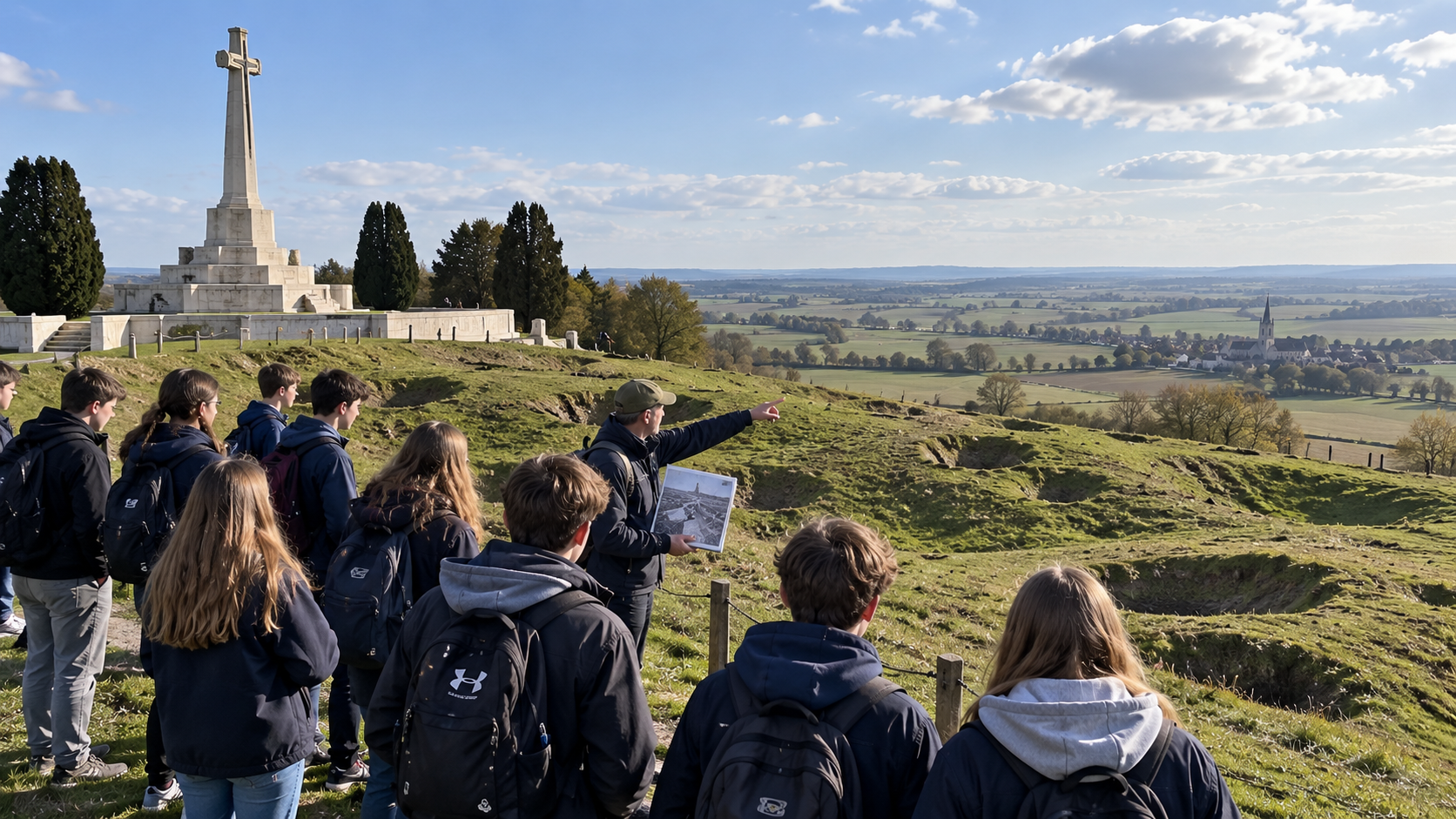
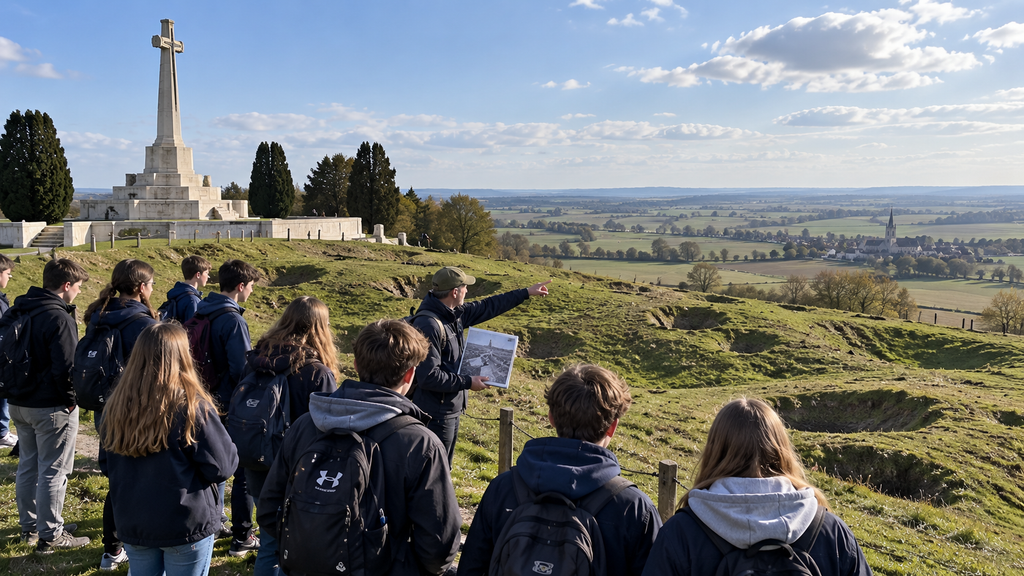
Walking the terrain where history was made creates a visceral connection to the past. Standing on the ridge at Vimy Ridge and looking out over the ground the Canadian Corps crossed in April 1917, or descending into the Zouave Valley, makes the strategic realities of WWI immediately comprehensible in a way that maps alone cannot convey. Schools and universities across the UK, France, Belgium, and Germany regularly bring students to battlefield sites — Ypres, Normandy, Auschwitz-Birkenau, and the Berlin memorial landscape are all well-established destinations for educational visits. Many sites have developed sophisticated educational programmes, from guided interpretive walks to online pre-visit resources tailored to curriculum requirements.
Building historical empathy and critical thinking
The best European battlefield experiences present history from multiple perspectives, which is both intellectually challenging and ethically important. At Verdun, French and German suffering are given equal weight. At Waterloo, the experience of the French, Dutch-Belgian, and Prussian forces is treated alongside the British. Sites like the Reichstag in Berlin or the Warsaw Rising Museum ask visitors to engage with profoundly difficult histories of occupation, resistance, and atrocity — encouraging the kind of nuanced, critical engagement that strengthens historical thinking. This plurality of perspectives is one of the defining features of European battlefield heritage at its best.
Ongoing research and discovery
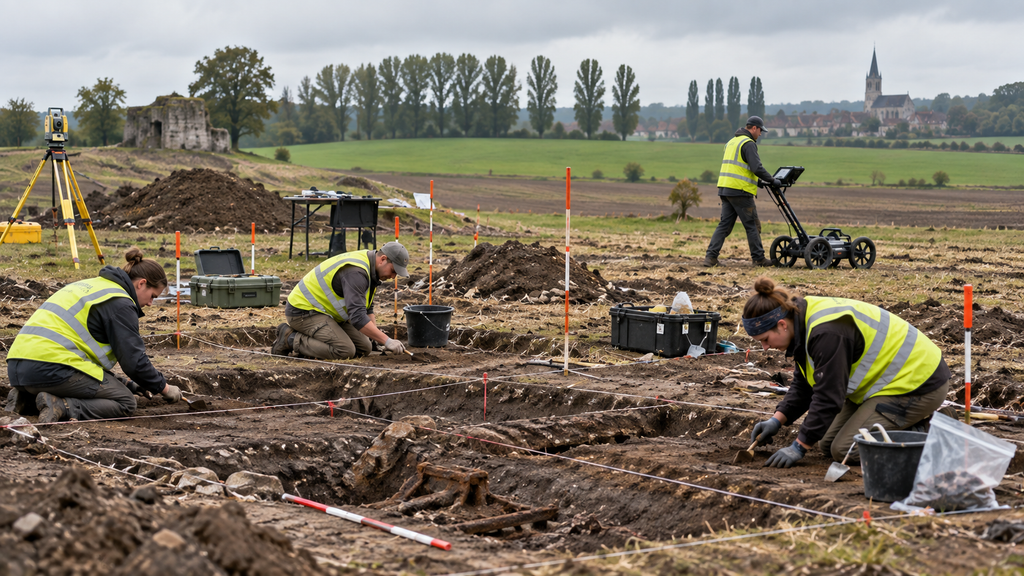
Europe’s battlegrounds remain active sites of archaeological and historical research. New technologies — ground-penetrating radar, LiDAR, DNA analysis — regularly yield fresh discoveries. In recent years, archaeologists working on the Western Front have recovered the remains of soldiers from multiple nations, enabling identification and reburial with full honours decades after the conflict ended. Many sites offer opportunities for visitors to observe or learn about ongoing work, connecting the living process of historical inquiry with the commemorative landscape.
Europe’s battlegrounds are not relics frozen in time. They are living places — still being discovered, still being debated, still shaping the communities around them. For the military history traveller, they offer something rare: a chance to stand in a landscape where the past is not distant but present, where the scale of human courage and loss becomes something you can walk through, feel, and begin — however imperfectly — to understand.
More from Battleground History: