Culloden Battlefield: Scotland’s Last Land Battle and What to See
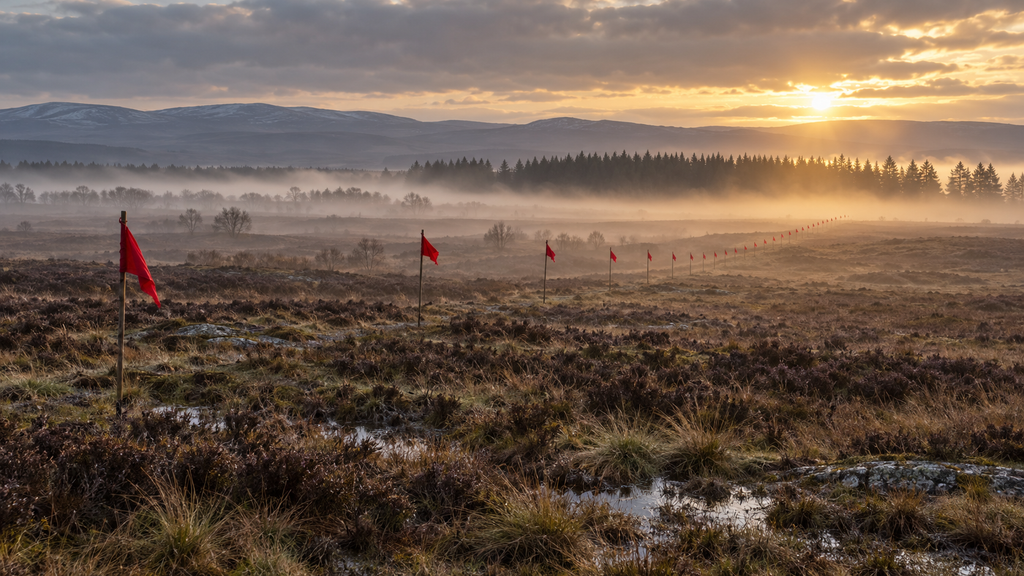
On a raw April morning in 1746, two armies faced each other across a stretch of boggy moorland five miles east of Inverness. Less than an hour later, the Jacobite cause that had shaken the British throne was finished. Today, Culloden Battlefield is one of the most moving places you can visit in Scotland: a quiet, windswept moor where red and blue flags mark the battle lines and simple stones mark the graves of the clans.
This guide covers what happened at the Battle of Culloden, what to see on the battlefield and in the visitor centre, the best nearby sites, and the practical details you need to plan your visit.
Why Culloden Battlefield Matters
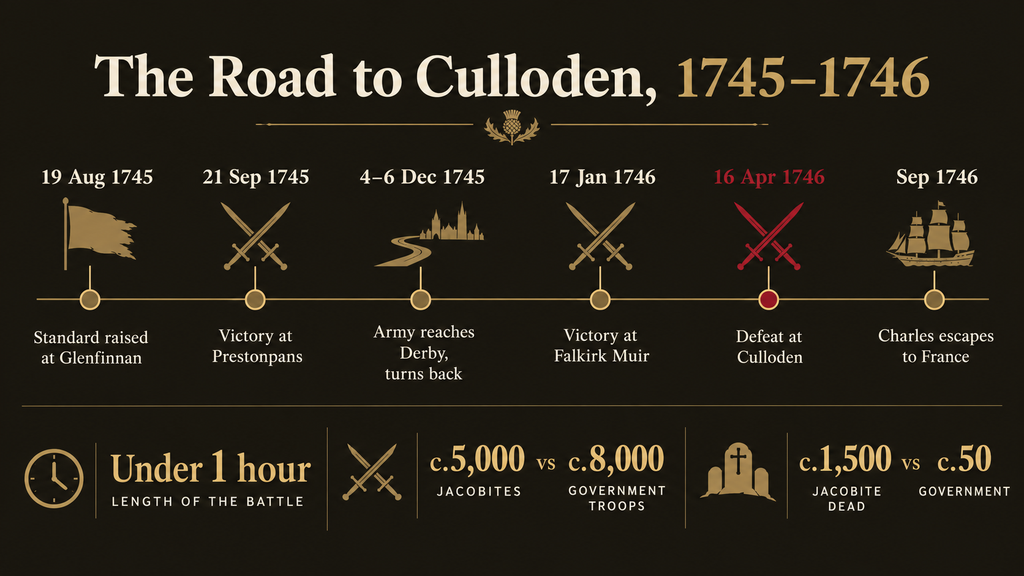
Culloden is often described as the last pitched battle fought on British soil. It ended the 1745 Jacobite Rising, the final attempt by the exiled Stuart dynasty to win back the thrones of Scotland, England and Ireland.
The Rising was led by Prince Charles Edward Stuart, “Bonnie Prince Charlie”, grandson of the deposed James VII and II. He landed in the Highlands in the summer of 1745, raised his standard at Glenfinnan and, against the odds, marched an army as far south as Derby.
Free Download
The WWI Battlefield Visitor Checklist
Everything to see, pack, and plan before you visit the Western Front — straight to your inbox.
No spam — just battlefield travel guides. Unsubscribe any time.
It is easy to remember Culloden as Scotland against England, but that is a myth. Scots fought on both sides, and the government army included several Scottish regiments. This was a civil war over who should wear the crown, not a war between nations.
The Battle of Culloden in Under an Hour
By April 1746 the Jacobite army was in poor shape. It had retreated north from Derby, funds were running out, and many men were starving. A failed night march to surprise the government camp at Nairn on 15–16 April left them exhausted before the fighting even began.
The government army, commanded by the Duke of Cumberland, was larger, well fed and well supplied with artillery. Estimates vary, but roughly 5,000 Jacobites faced around 8,000 government troops.
The Jacobite commanders chose to fight on open, waterlogged moorland. It suited the government’s cannon and muskets far better than the Highland charge. When the charge finally came, much of it was cut down before it reached the government lines. The battle was over in under an hour.
The aftermath was brutal. Wounded Jacobites were killed on the field, and the government launched a harsh campaign across the Highlands. Laws that followed banned the wearing of tartan and weakened the clan system. Charles escaped, hid in the Highlands and islands for five months, and sailed for France in September 1746. He never returned.
What to See at Culloden Battlefield
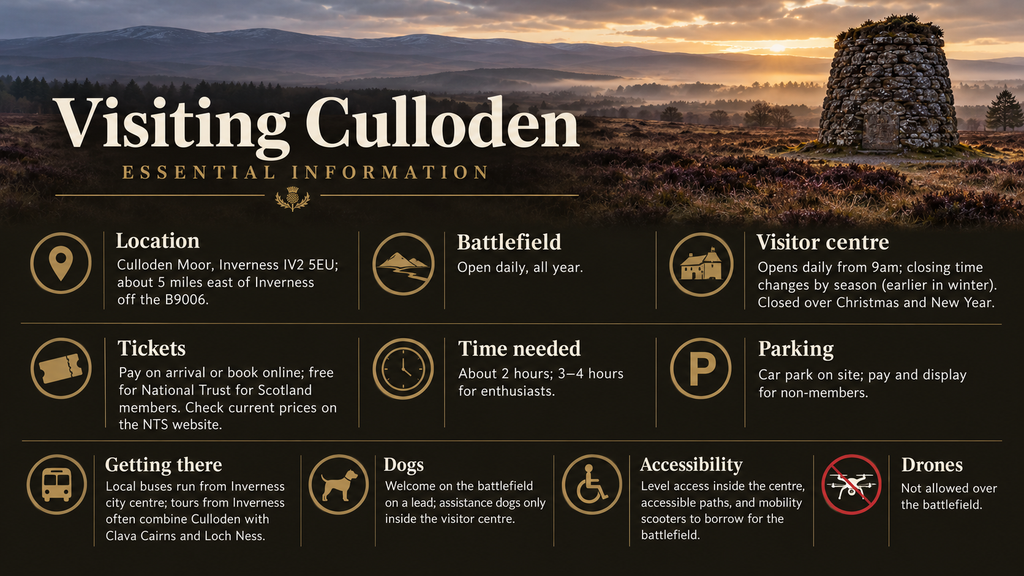
The National Trust for Scotland cares for the site. Allow around two hours for the visitor centre and a walk round the battlefield. Keen history readers can easily spend half a day.
The Culloden Visitor Centre
Start here. The museum tells the story of the Rising from both the Jacobite and government sides, with weapons and objects found on the battlefield. The highlight is the 360-degree immersion theatre, which places you in the middle of the battle. It is powerful and loud, so it may be too intense for young children.
Don’t miss the roof viewing platform. It gives you the best overview of the moor and helps you picture where the two armies stood.
The Battle Lines
Out on the moor, red flags mark the government front line and blue flags mark the Jacobite line. Walking the short distance between them is the most effective way to understand the battle. You can see how far the Highlanders had to charge across open, boggy ground under fire.
The Trust has restored the moor towards how it looked in 1746, including rebuilt turf and stone walls that shaped the fighting.
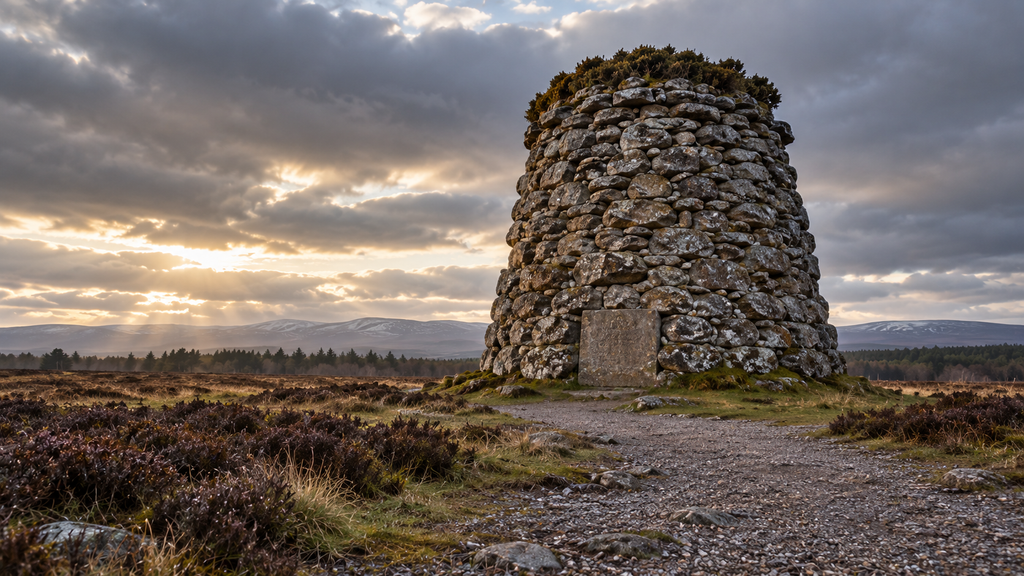
The Memorial Cairn
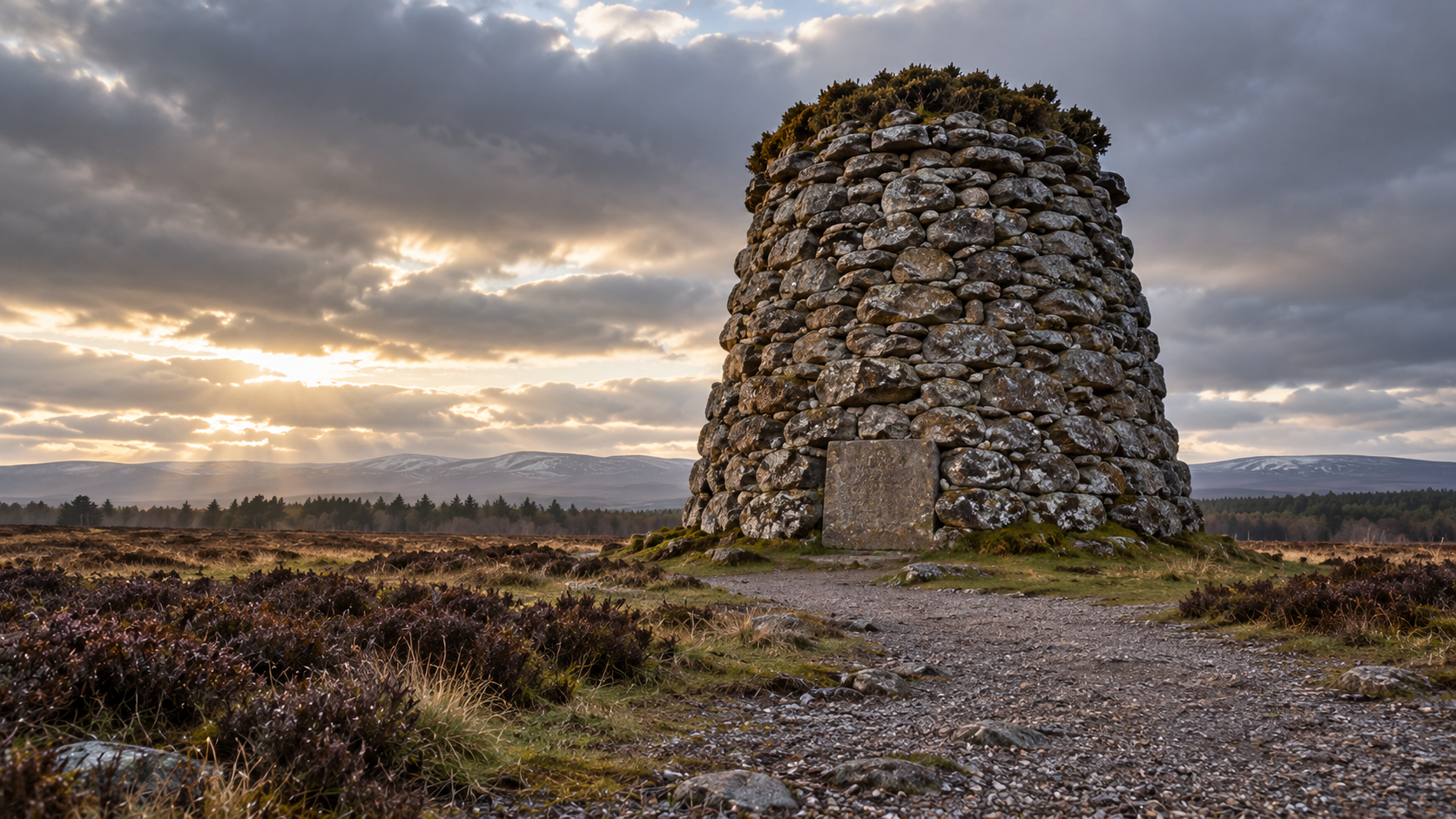
At the centre of the battlefield stands the tall stone Memorial Cairn, built in 1881. It is the most recognisable landmark on the moor and the focus of the annual commemoration held each April near the anniversary.
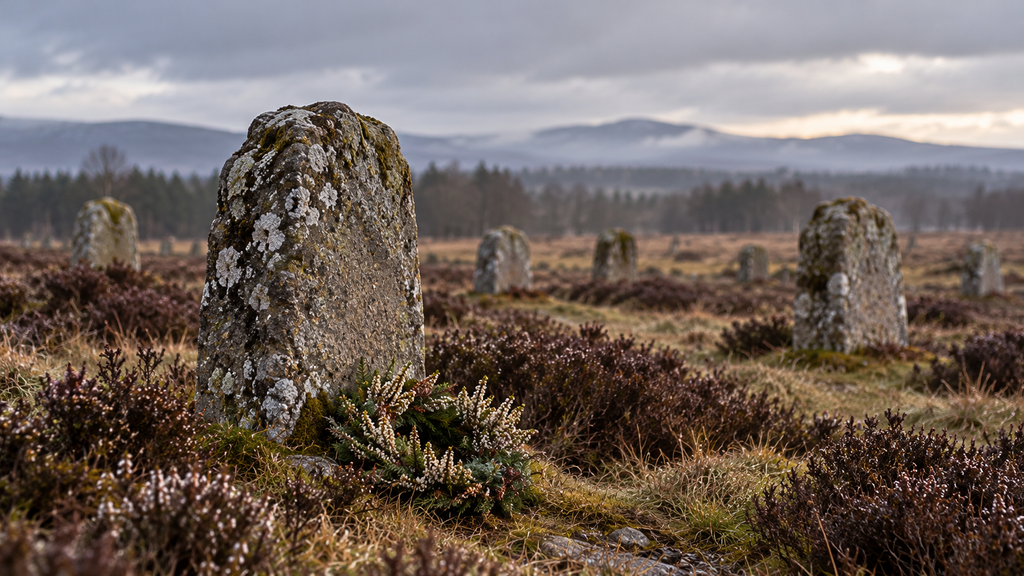
Graves of the Clans and the Well of the Dead
Near the cairn, rough headstones carved with clan names mark the mass graves of Jacobite soldiers. Names include Clan Fraser, Clan Mackintosh, the Stewarts of Appin and the Clans MacGillivray, MacLean and MacLachlan. Around 1,500 Jacobites are thought to lie on the moor.
Close by is the Well of the Dead, where Alexander MacGillivray of Dunmaglass, a leader of Clan Chattan, is said to have fallen.
Outlander fans often come to see the Clan Fraser stone. Please stay on the paths here: heavy footfall has damaged the ground around it in the past.
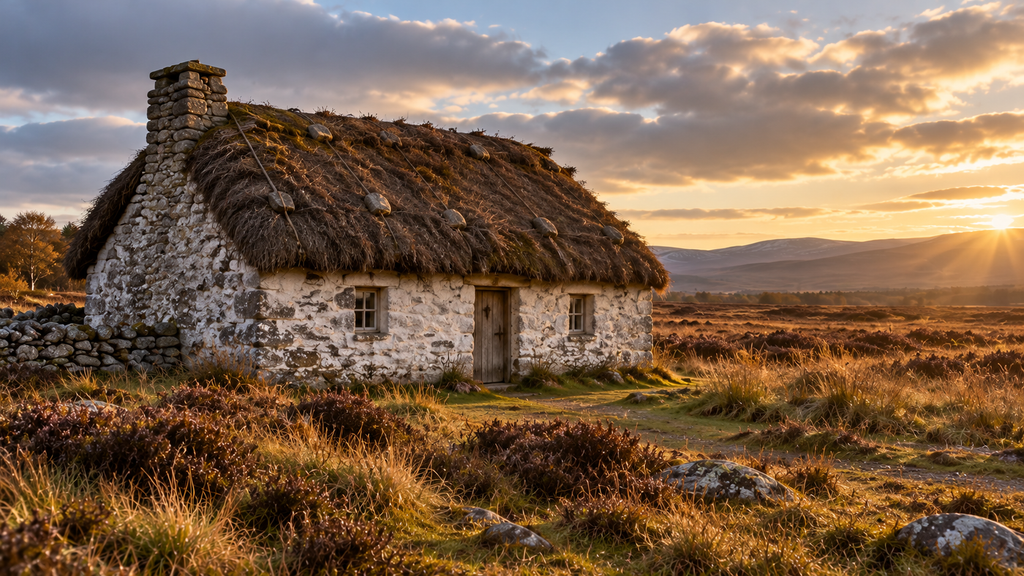
Leanach Cottage
This small heather-thatched cottage is one of the few buildings on the moor. Government soldiers are said to have used it as a field hospital after the battle. The building you see today has been rebuilt and restored over the years, but it gives a vivid sense of Highland life in the 18th century.
The Field of the English and the Cumberland Stone
The Field of the English is the traditional burial place of the government dead; only around 50 government soldiers were killed. Just off the main battlefield, the Cumberland Stone is a large boulder where, according to local tradition, the Duke of Cumberland watched the battle. Historians doubt the story, but it’s a short and pleasant walk.
Nearby Sites Worth Adding to Your Visit
- Clava Cairns (about 1.5 miles away): a Bronze Age cemetery of stone burial cairns and standing stones, around 4,000 years old. Free to visit and very atmospheric.
- Culloden Viaduct: the great stone railway viaduct across the Nairn valley, a striking sight on the drive to Clava.
- Fort George (about 11 miles away): a huge Georgian fortress built after Culloden to stop another Jacobite rising. It’s still an active army base, and parts are open to visitors.
- Inverness: a good base, with the castle viewpoint, the River Ness and easy access to Loch Ness.
Exploring the Scottish Highlands
Practical Information for Visiting Culloden
Tips for your visit
- Dress for the weather. The moor is exposed, and wind and rain can sweep across it even in summer. Wear waterproof boots.
- Visit early or late in the day to experience the moor at its quietest.
- For the most poignant visit, come close to 16 April, when the anniversary commemoration takes place.
- Join a guided battlefield walk if one is running. The guides bring the battle lines to life.
Visiting Culloden Respectfully
Culloden is a war grave. Keep to the paths, don’t climb on the cairn or the grave markers, and keep voices low near the clan stones. Leaving heather or a small token is a common gesture, but please don’t leave anything that will become litter.
Visiting WWI Battlefields with Children: What They Can and Can’t See
Culloden Battlefield FAQs
Was Culloden the last battle on British soil? It’s generally described as the last pitched battle fought on British soil. Smaller clashes happened later, but none on this scale.
Is Culloden worth visiting? Yes. Even if you know little about the Jacobites, the visitor centre explains the story well, and the moor itself is deeply moving.
How long do you need at Culloden? Allow around two hours for the museum and battlefield. Add an hour if you plan to walk to the Cumberland Stone or join a guided tour.
Can you visit Culloden Battlefield for free? The battlefield is open daily. The visitor centre and parking charge for non-members, and NTS members get in free.
Is Culloden in Outlander? The Battle of Culloden is central to the Outlander story, and the Clan Fraser stone has become a pilgrimage spot for fans. The TV series filmed its battle scenes elsewhere.
Is Culloden suitable for children? Yes, with some preparation. The battlefield walk suits most ages, but the immersion theatre is intense for young children.
Final Thoughts
Culloden Battlefield doesn’t need grand monuments to make an impression. The open moor, the flags and the clan stones say enough. Spend time in the visitor centre first, then walk the battle lines slowly; you’ll leave with a real understanding of how the Jacobite cause ended and why Culloden still matters in Scotland today.
Planning a wider trip? Read our guides to Bannockburn and to Europe’s greatest ancient and medieval battlegrounds.
[INTERNAL LINKS: Bannockburn guide; Cluster 3 pillar page]