10 Historic Sites In France To Add To Your Travel List
Historic Sites in France are steeped in history and culture. France offers a wealth of extraordinary sites that stand as testaments to its rich and diverse past. From medieval fortresses and majestic abbeys to ancient Roman amphitheaters and prehistoric caves. Each location holds a unique story waiting to be uncovered. Whether you’re a history buff or an architecture enthusiast, embarking on a journey through these historical landmarks will transport you back in time, providing an immersive experience of France’s illustrious heritage. Join us as we explore some captivating Historic Sites in France.
Pont du Gard
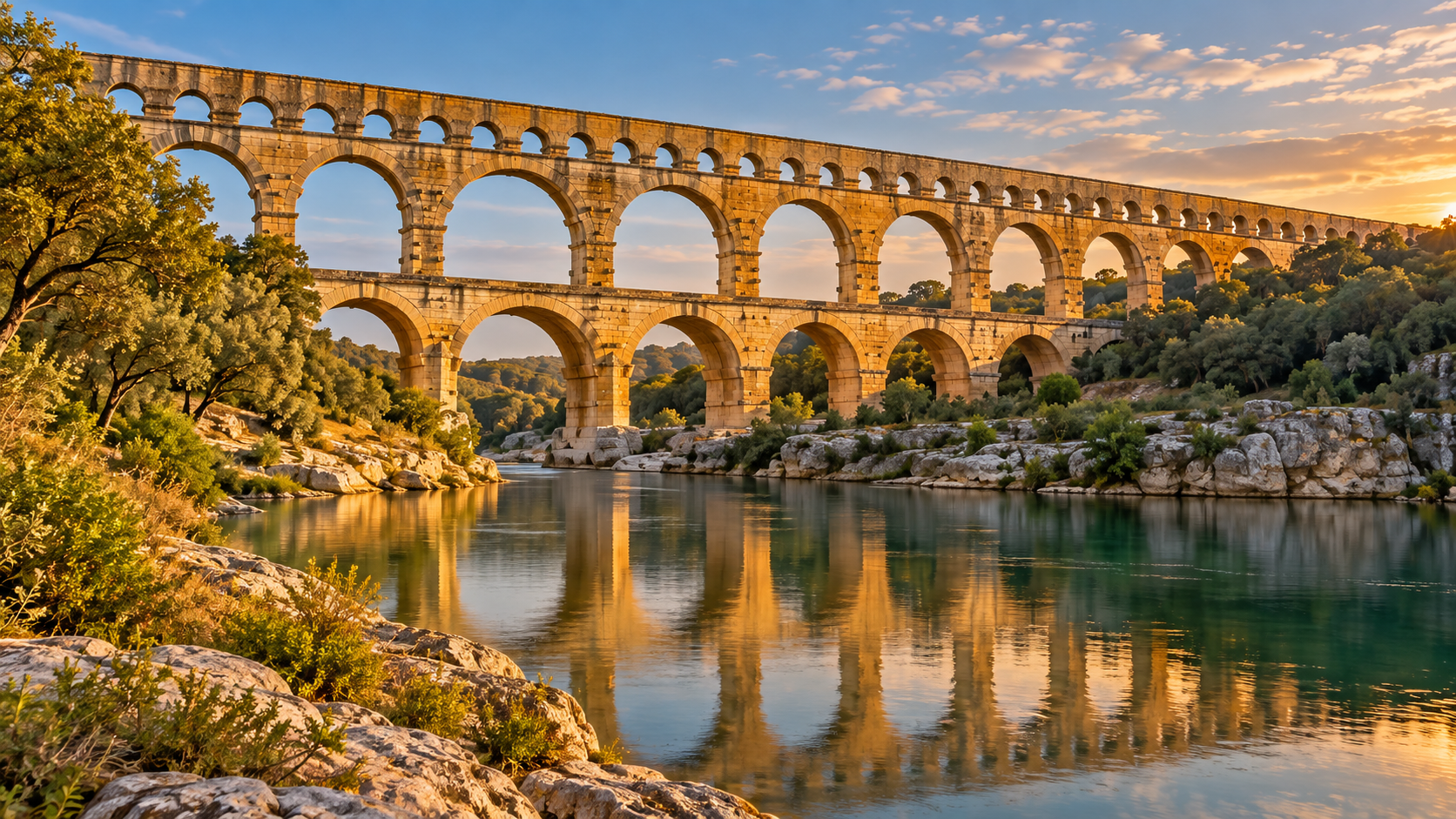
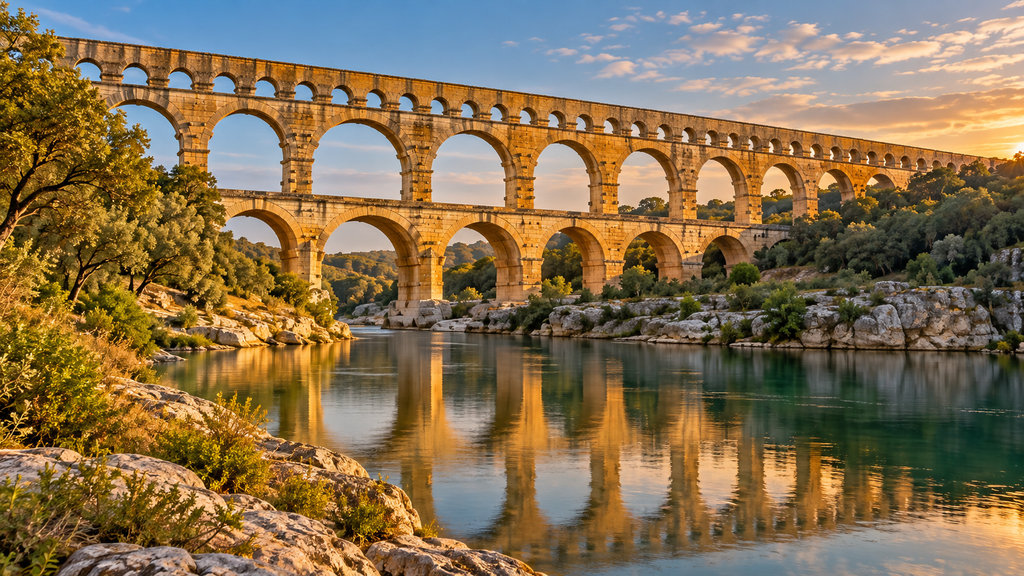
Pont du Gard, an engineering marvel from ancient Roman times, stands as one of the best-preserved examples of Roman aqueducts. Rising nearly 50 metres above the Gardon River, this three-tiered stone structure was built in the first century AD. It was built to bring water over 50 kilometers from a spring in Uzès to the Roman colony of Nemausus, now modern-day Nîmes. Visiting the Pont du Gard offers a glimpse into ancient engineering prowess but also picturesque views of the surrounding countryside. It’s a site that blends historical intrigue with natural beauty, making it a must-see for history buffs and nature lovers alike.
Palais des Papes
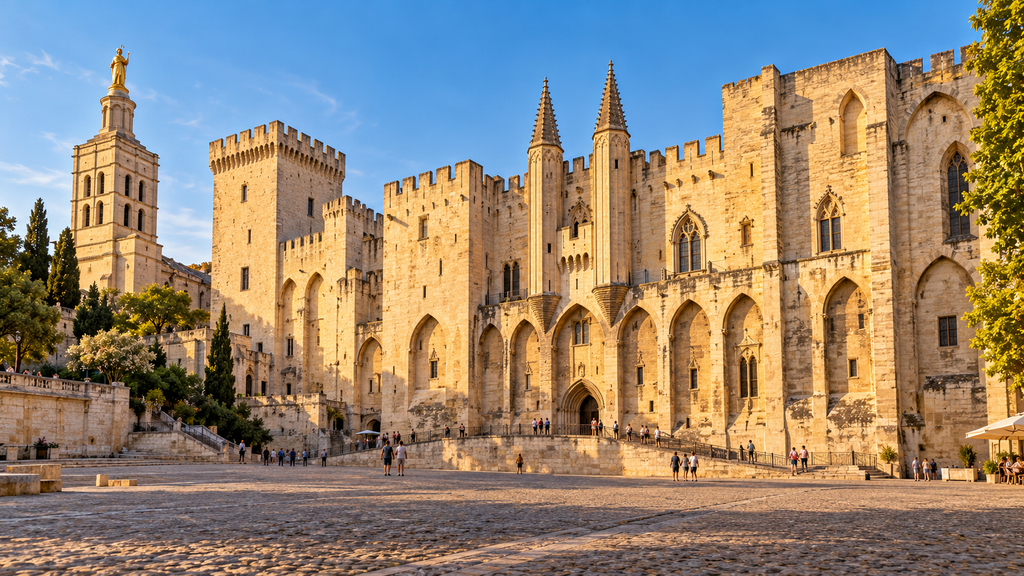
The Palais des Papes in Avignon is a monumental example of medieval Gothic architecture. It symbolized the power of the papacy during the 14th century. The Palais des Papes was built to serve as the residence of seven successive popes. Its grand halls, chapels, and courtyards tell stories of a time when Avignon was the heart of the Christian world. The palace’s sheer scale and grandeur reflect the temporal and spiritual power wielded by the popes of that era. Today, visitors can tour the palace to explore its historical significance and admire its architectural splendor, making it one of Europe’s most significant heritage sites.
Pont Saint-Bénézet (Pont d’Avignon)
The Pont Saint-Bénézet, also known as the Pont d’Avignon, is steeped in legend and history. This medieval bridge originally spanned the Rhône River but now stands partially ruined, with only four of its original 22 arches remaining. According to folklore, it was built by a shepherd named Bénézet following a divine instruction. The bridge has inspired the famous French song “Sur le Pont d’Avignon,” which adds to its cultural significance. While much of the bridge has succumbed to the ravages of time and river floods, it remains an iconic symbol of Avignon’s historical landscape.
Free Download
The WWI Battlefield Visitor Checklist
Everything to see, pack, and plan before you visit the Western Front — straight to your inbox.
No spam — just battlefield travel guides. Unsubscribe any time.
Carcassonne Citadel
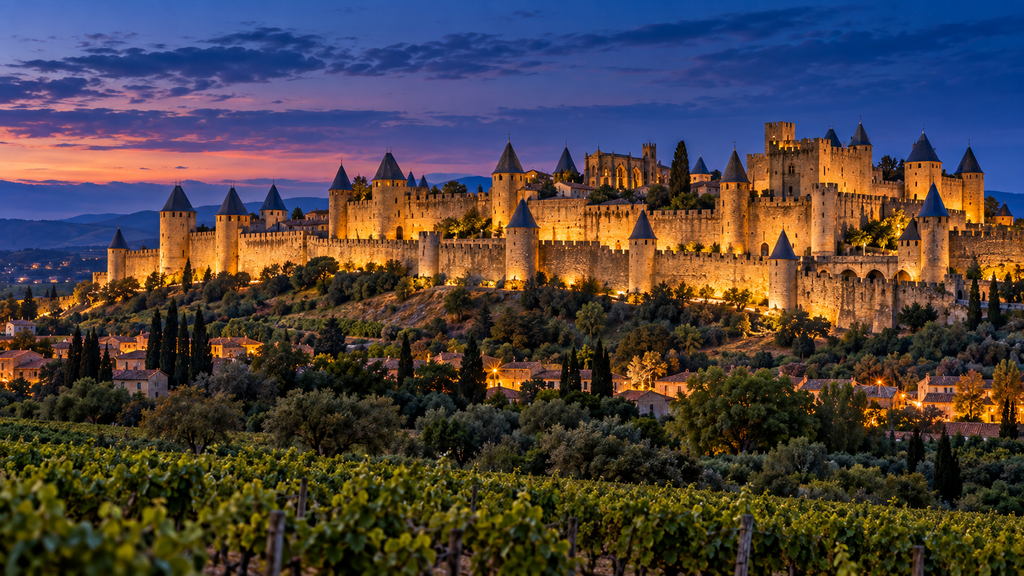
The Carcassonne Citadel is a fairy-tale fortress town in southern France, renowned for its massive double walls and 52 watchtowers. This UNESCO World Heritage site offers visitors a unique journey back to the Middle Ages. The citadel’s labyrinthine streets, medieval buildings, and impressive fortifications paint a vivid picture of life in a fortified city. The citadel also hosts various festivals and events, bringing history to life through reenactments and performances. Walking through Carcassonne feels like stepping into a storybook, making it a captivating destination for history enthusiasts and families alike.
Arenes de Nîmes
The Arenes de Nîmes is one of the most well-preserved Roman amphitheatres in the world. It dates back to the first century AD. The arened de Nimes was originally designed for gladiatorial combat and other public spectacles. The arena is still in use today for concerts, bullfights, and other events. Its elliptical shape, grandstands, and intricate architectural details exemplify Roman engineering excellence. Visitors to Nîmes can explore this ancient venue and imagine the spectacular shows that once thrilled its audiences. The arena’s enduring functionality and historical significance make it a fascinating destination for those interested in ancient Roman culture.
Abbaye de Sénanque
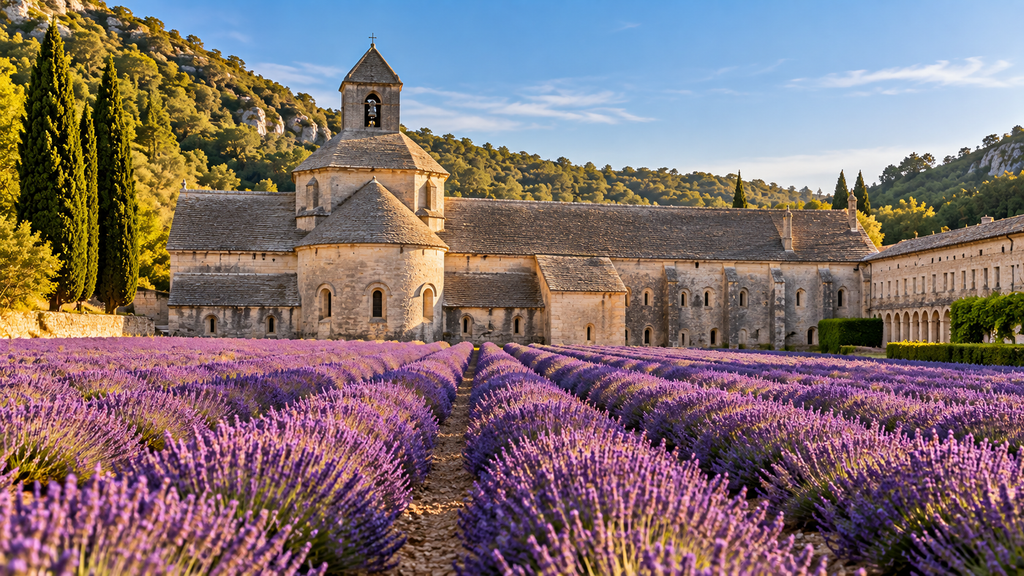
Nestled in a serene valley near Gordes, the Abbaye de Sénanque is a Cistercian monastery renowned for its stunning lavender fields. Founded in 1148, the abbey is an active monastery. Today monks continue to live and work according to the Cistercian order’s principles. The sight of the medieval stone buildings against the vibrant purple lavender fields, offers an unforgettable visual experience. Visitors can tour the abbey to learn about monastic life. You will appreciate its tranquil beauty, making it a perfect retreat for those seeking peace and contemplation.
Castle of the Dukes of Joyeuse
The Castle of the Dukes of Joyeuse, located in Couiza, is a splendid example of Renaissance architecture. Built in the 16th century by the Duke of Joyeuse, the castle has been transformed into a luxurious hotel. It seamlessly blends historical charm with modern amenities, offering guests a royal experience. The castle features beautifully landscaped gardens, period furnishings, and exquisite decor that transports visitors back to the Renaissance era. Visitors can enjoy the opulence and history that this castle has preserved through the centuries.
Église Notre-Dame des Sablons

The Église Notre-Dame des Sablons is a significant Gothic church located in the historic walled town of Aigues-Mortes. Founded in the 13th century, it has witnessed many historical events and served as a place of worship for centuries. Its austere exterior and simple yet elegant interior reflect the Gothic architectural style. The church’s stained glass windows, reconstructed to depict various historical and religious themes, add to its spiritual ambiance. Visitors to Aigues-Mortes can explore this church to better understand the town’s rich history and the role religion played in its development.
Château d’If
The Château d’If, on the Île d’If off the coast of Marseille. Château d’If is a fortress turned infamous prison, immortalised by Alexandre Dumas in “The Count of Monte Cristo.” Built in the 16th century, its strategic location was intended to protect Marseille from sea attacks. Over time, it became a notorious prison where political and religious prisoners were held. Today, the Château d’If is a popular tourist attraction. Château offers guided tours that delve into its intriguing history and literary significance. The striking views of the Mediterranean, combined with the fortress’s storied past, make it a captivating site to visit.
Grotte de Lascaux

The Grotte de Lascaux, is situated in the Dordogne region. It is home to one of the world’s most famous Paleolithic cave art sites. Discovered in 1940, the cave’s walls are adorned with approximately 600 paintings and 1,500 engravings of animals, symbols, and human figures made around 17,000 years ago. These artworks provide invaluable insights into early human creativity and life. The original cave is closed to the public to preserve the delicate art, a meticulous replica, Lascaux II, allows visitors to experience the awe-inspiring prehistoric art up close. The Grotte de Lascaux continues to be a source of fascination for archaeologists, historians, and art enthusiasts alike.
You might also like: