11 Must-Visit Historic Sites in Southern England
Exploring Historic Sites in Southern England offers a journey through time, with its landscape scattered with iconic landmarks that narrate tales of history, culture, and architectural grandeur. Each site offers a unique glimpse into the nation’s storied past, from enigmatic prehistoric monuments to imposing medieval castles. Whether you are a history enthusiast, a lover of architecture, or simply a curious traveler, these eleven sites—from the mysterious Stonehenge in Wiltshire to the strategic stronghold of Dover Castle in Kent—promise a captivating experience. Join us in uncovering these remarkable locations’ secrets, treasures, and enduring legacy.
Stonehenge, Wiltshire
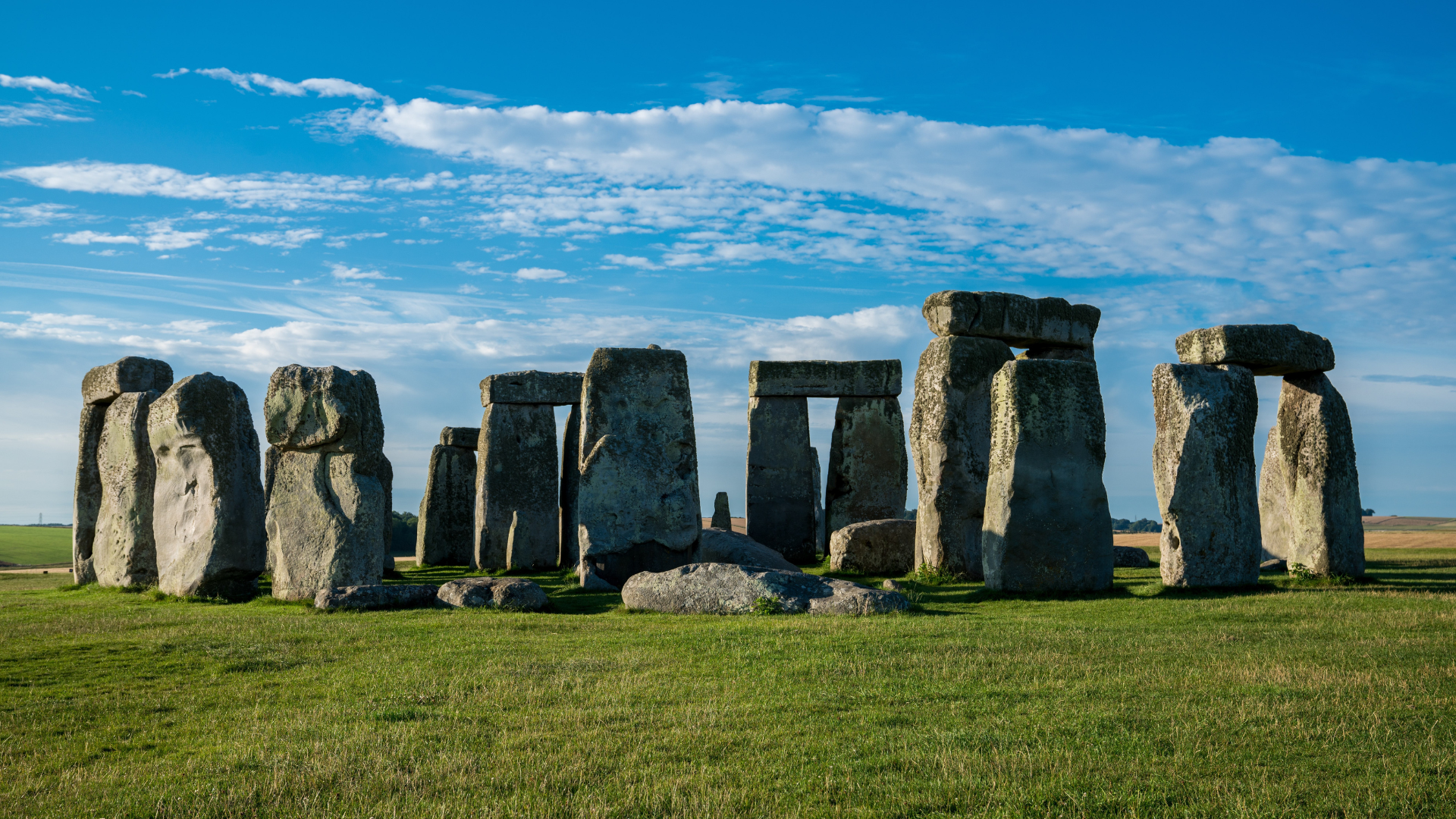
Stonehenge is one of the most famous prehistoric monuments in the world, located in Wiltshire. This mysterious stone circle dates back to around 2500 BC and has been the subject of much study and speculation. The purpose of Stonehenge remains unclear, although it is widely believed to have been a site for religious or ceremonial activities. Its precise alignment with the solstices suggests that it may have also been used as an ancient astronomical observatory.
Bosworth Field
Bosworth Field, situated near Market Bosworth, is the hallowed ground of the 1485 battle that concluded the Wars of the Roses. This decisive confrontation resulted in King Richard III’s death and Henry Tudor’s ascendancy, who became Henry VII. The victory marked the end of the Plantagenet dynasty and the beginning of the Tudor era, profoundly influencing the future of England. Visitors to the site can explore the Bosworth Battlefield Heritage Centre to gain deeper insights into this transformative period.
Sedgemoor
Sedgemoor is historically significant as the site of the 1685 Battle of Sedgemoor, the last pitched battle on English soil. Here, the Duke of Monmouth’s rebellion against King James II met its demise, bringing an end to the Monmouth Rebellion. The clash was crucial in the power struggle between the monarchy and Parliament. The battlefield is now an area where history enthusiasts can reflect on the events that shaped the late 17th century and the evolution of British governance.
Free Download
The WWI Battlefield Visitor Checklist
Everything to see, pack, and plan before you visit the Western Front — straight to your inbox.
No spam — just battlefield travel guides. Unsubscribe any time.
Battle of Hastings site, East Sussex
One of the most pivotal battles in English history took place at the Battle of Hastings site in East Sussex in 1066. This historic battle resulted in William the Conqueror’s defeat of King Harold II. This marked the beginning of Norman rule in England. Today, visitors can explore the battlefield and learn about the battle’s significance. At the interactive visitor center visitors can walk through the ruins of the nearby Battle Abbey.
Portsmouth Historic Dockyard, Hampshire

Portsmouth Historic Dockyard in Hampshire offers a profound glimpse into the maritime history of the United Kingdom. Home to the famous HMS Victory, Admiral Lord Nelson’s flagship, and the world’s oldest commissioned warship. Still afloat is the HMS Warrior 1860; the dockyard provides visitors the chance to explore these majestic ships. The Mary Rose Museum also resides here. It showcases the remains of Henry VIII’s warship along with thousands of artifacts recovered from the seabed.
Winchester Cathedral, Hampshire
Winchester Cathedral in Hampshire is one of the largest cathedrals in Europe, notable for its stunning architecture and rich history. Founded in 1079, the cathedral has been a site of pilgrimage for centuries and is the final resting place of illustrious figures, including Jane Austen. Visitors can marvel at the exquisite Gothic nave, explore the medieval crypt, and delve into the cathedral’s history through its fascinating exhibitions.
Arundel Castle, West Sussex
Arundel Castle in West Sussex is a restored medieval castle originally built in the 11th century. It has served as a family home for the Dukes of Norfolk for over 400 years. The castle features an array of beautiful rooms and gardens to explore, including the grand Victorian bedrooms, the Norman keep, and the Fitzalan Chapel. The extensive gardens are particularly captivating, especially in spring and summer when they are in full bloom.
Bodiam Castle, East Sussex
Bodiam Castle, located in East Sussex, is a quintessential medieval moated castle. Built in 1385 to defend against a possible French invasion during the Hundred Years’ War, it is now in ruins, but the exterior remains remarkably intact, offering an authentic glimpse into the grandeur of the medieval fortifications. The castle’s picturesque setting, complete with a shimmering moat, makes it a favorite among visitors and photographers alike.
Old Sarum, Wiltshire

Old Sarum in Wiltshire is an ancient hill fort that has seen nearly 5,000 years of continuous human activity. It was originally an Iron Age fort, later used by the Romans, Saxons, and Normans. The site includes the remains of a Norman castle and cathedral, standing atop the earthworks of the earlier fortifications. Visitors can enjoy this elevated site’s panoramic views of the surrounding Wiltshire countryside.
Corfe Castle, Dorset
Corfe Castle in Dorset is a striking ruin dating back to the 11th century. Built by William the Conqueror, the castle has witnessed a tumultuous history, including battles during the English Civil War. Despite its partial destruction, Corfe Castle stands as a dramatic centerpiece amid the lush landscape of the Isle of Purbeck. The site offers engaging events and activities throughout the year. Visitors can take a step back in time and experience medieval life.
Dover Castle, Kent
Dover Castle, situated on the White Cliffs of Dover in Kent, is often referred to as the “Key to England” due to its strategic importance throughout history. This imposing fortress dates back to the 11th century and has been expanded and renovated over the centuries. Today, Dover Castle invites visitors to explore its storied past. Explore the Great Tower, medieval tunnels, and World War II secret wartime tunnels that were used as an underground hospital and command center. The site offers fascinating exhibits and re-enactments that bring its history to life.
Chichester Cathedral, West Sussex
Chichester Cathedral in West Sussex is a splendid example of Norman and Gothic architecture, with original 12th-century features still intact. The cathedral is renowned for its striking spire, stunning stained glass windows, and a unique collection of modern art. Inside includes a tapestry by John Piper and a window by Marc Chagall. Chichester Cathedral is not only a place of worship but also a venue for concerts, art exhibitions, and community events. Today it is central to enriching the region’s cultural life.
You might also like: