The Best WWII Museums in France
France holds some of the richest, most moving WWII museums in the world — and not just in Normandy. From the beaches where the Allies landed to the Alsace villages that changed hands more than once, the country’s museums do a remarkable job of turning history into something you can walk through. Whether you’re planning a full Normandy itinerary or a single day trip from Paris, this guide covers the best WWII museums in France worth building a visit around.
Why France’s WWII Museums Stand Apart
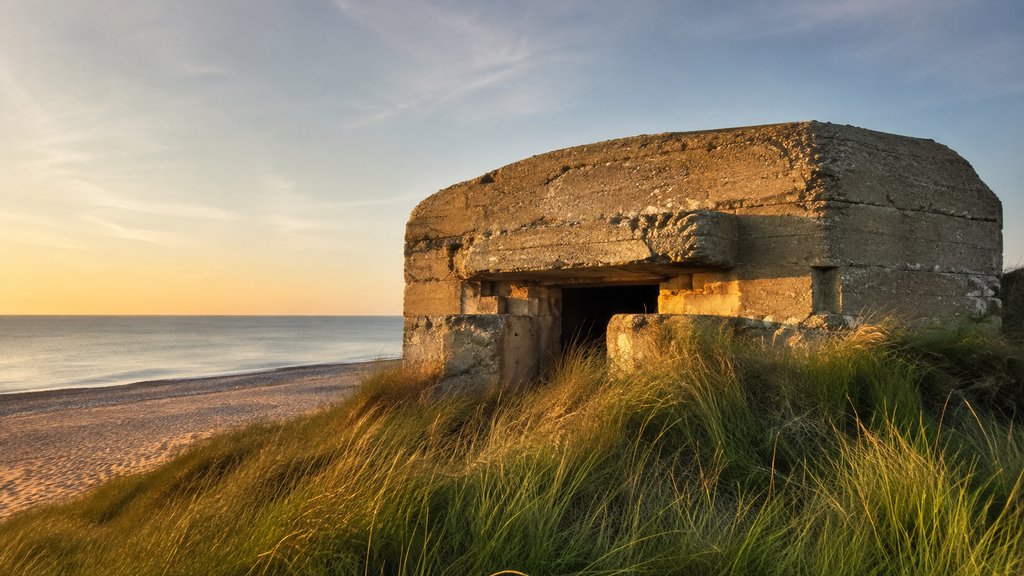
Unlike museums that simply display artefacts behind glass, many of France’s WWII sites are built into the landscape itself — bunkers you can walk through, beaches you can stand on, and battle-damaged villages preserved exactly as the fighting left them. That physical connection to place is what makes a France-based WWII trip so different from visiting a museum anywhere else.
The Best WWII Museums in France
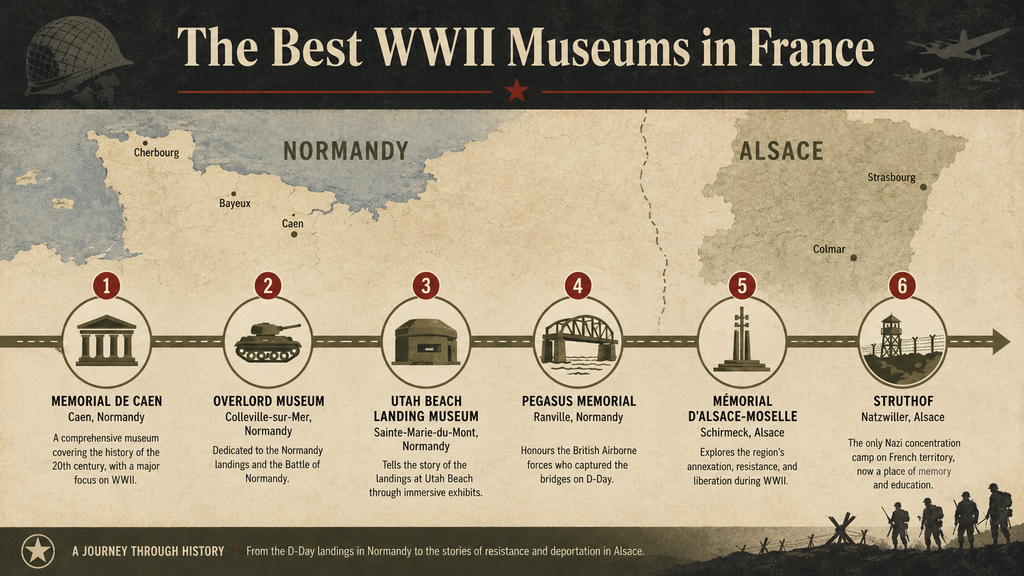
1. Memorial de Caen (Caen, Normandy)
Widely considered the essential starting point for any WWII trip to Normandy, the Memorial de Caen tells the story from the rise of Nazism through to the Cold War, with a strong focus on the D-Day landings and the Battle of Normandy. Its scale and modern presentation make it the best single orientation point before visiting the beaches themselves.
2. Overlord Museum (Colleville-sur-Mer)
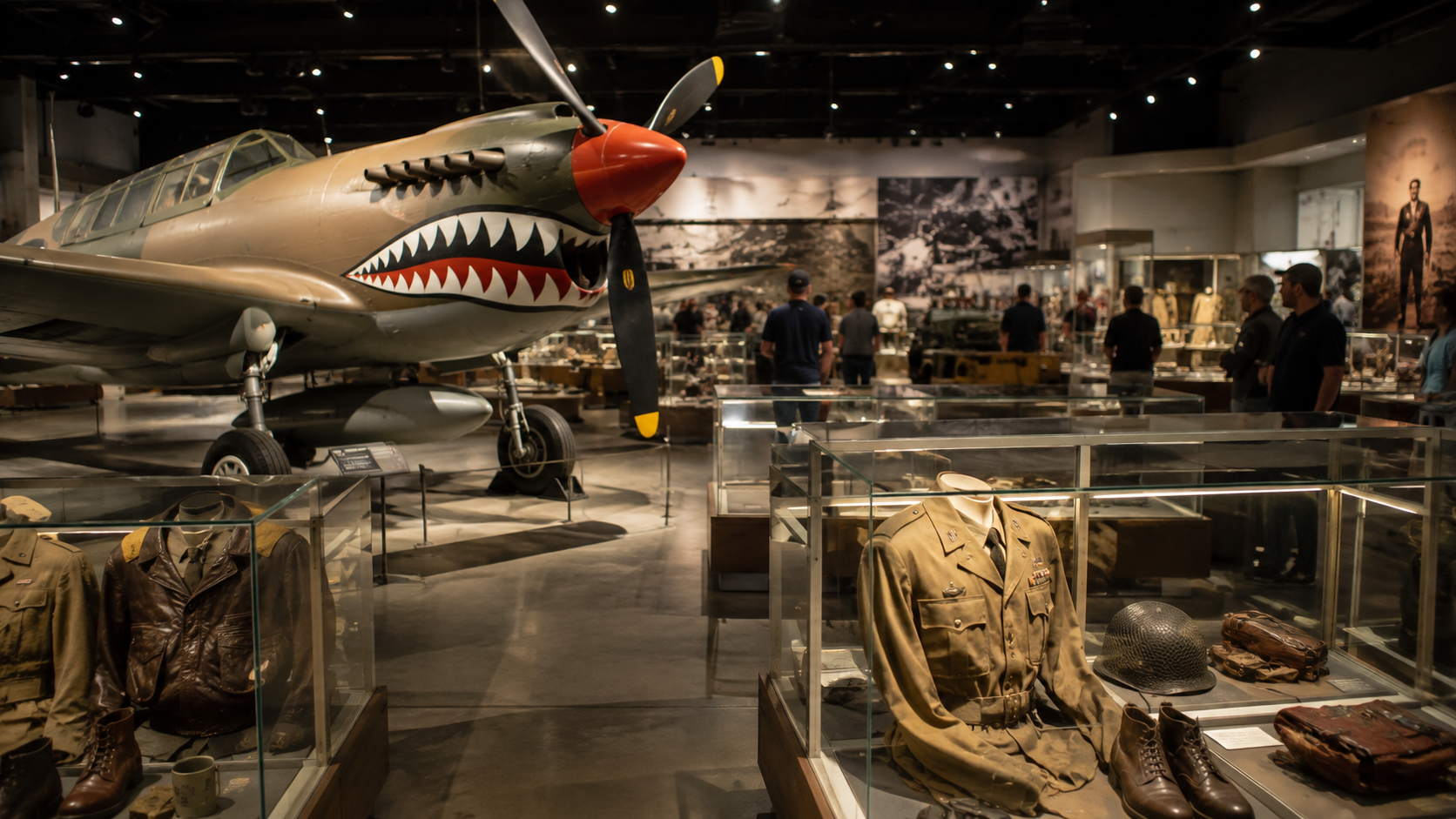
Located a short walk from the American Cemetery, the Overlord Museum houses one of the largest private collections of D-Day vehicles, tanks, and equipment in Europe, arranged in immersive battlefield-style scenes rather than static displays.
Free Download
The WWI Battlefield Visitor Checklist
Everything to see, pack, and plan before you visit the Western Front — straight to your inbox.
No spam — just battlefield travel guides. Unsubscribe any time.
3. Utah Beach Landing Museum
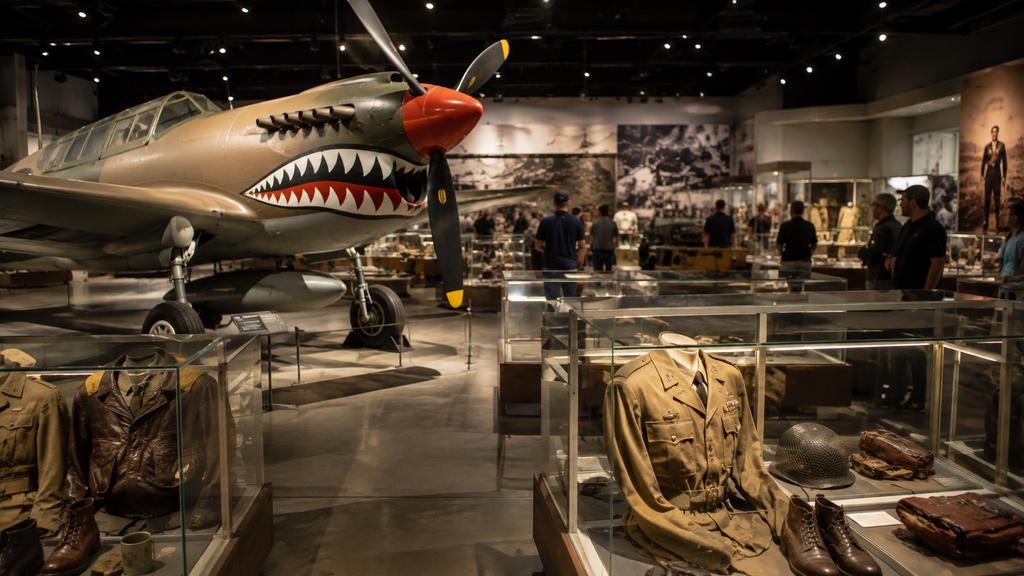
Built directly on the sand where American forces came ashore on 6 June 1944, this museum combines personal soldier stories with an original B-26 bomber and a genuine German bunker you can walk through — giving it a sense of place few museums can match.
4. Pegasus Memorial (Ranville)
Dedicated to the British 6th Airborne Division’s glider assault, the Pegasus Memorial includes a full-size replica Horsa glider and the original Pegasus Bridge, made famous as the first objective liberated on D-Day.
5. Musée de la Libération de Paris (Paris)
For visitors based in Paris, this museum covers the occupation, the Resistance, and the liberation of the capital in August 1944, housed above the very spot used as an underground command post during the liberation fighting.
6. Mémorial d’Alsace-Moselle (Schirmeck, Alsace)
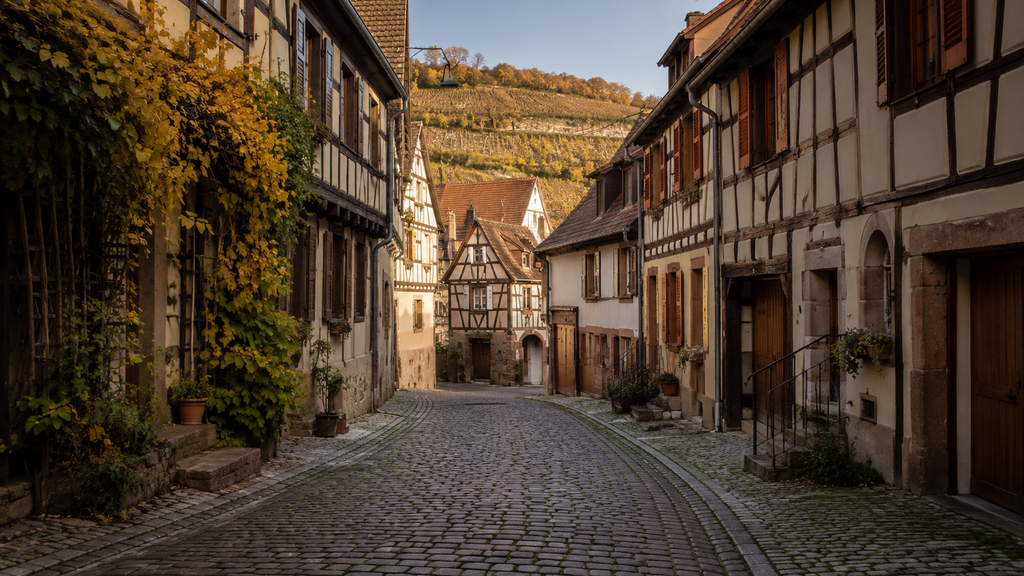
A lesser-known but powerful stop, this museum explores the unique experience of Alsace-Moselle, a region annexed by Germany and forced to send its young men to fight for the Wehrmacht — a story rarely told elsewhere.
7. Struthof — Natzweiler Concentration Camp Memorial (Alsace)
The only Nazi concentration camp built on French soil, Struthof is a sobering but essential site for understanding the full scope of the occupation, preserved in the mountains above the Alsace plain.
8. Musée du Débarquement (Arromanches)
Overlooking the remains of the Mulberry Harbour still visible in the bay, this museum explains the extraordinary engineering feat of building a portable harbour to supply the invasion — a story that’s easy to miss elsewhere on the D-Day trail.
Best Places to Stay in Normandy for Battlefield Visitors
Planning Your Museum Route
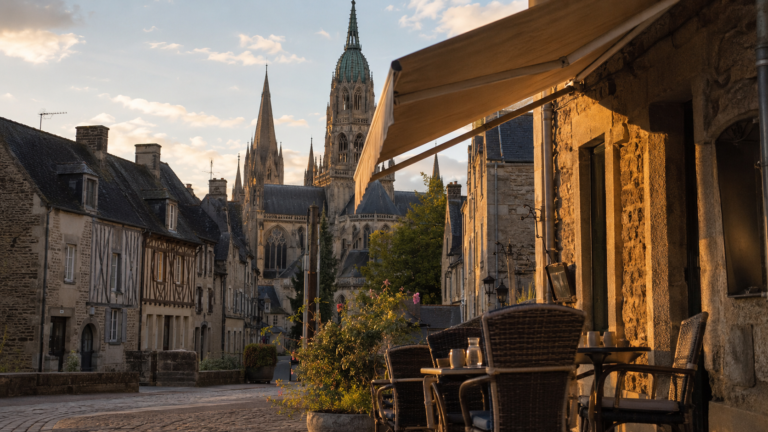
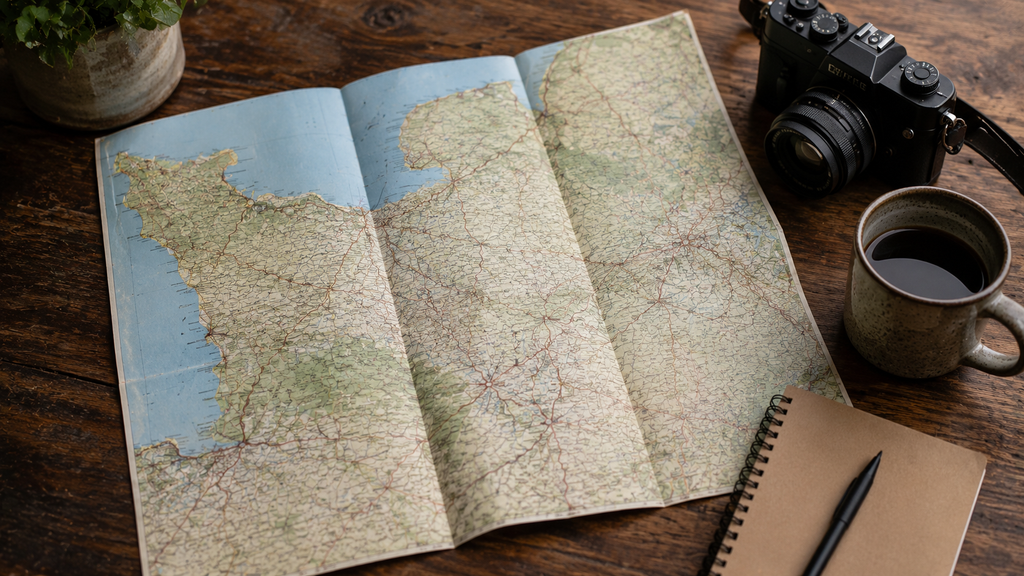
Most visitors base themselves in Bayeux or Caen and cover the Normandy museums over two to three days, pairing each museum with the nearby beach or memorial site it relates to. If time allows, the Alsace museums make a rewarding second leg of the trip, best reached by train from Paris or as a stop on a longer road trip through eastern France.
Final Thoughts
France’s WWII museums reward visitors who take their time — pairing a morning at a museum with an afternoon standing on the ground it describes gives a depth of understanding that no single stop can offer alone. Whichever route you choose, these are the museums worth building an itinerary around.