Europe’s Greatest Ancient and Medieval Battlegrounds: A Visitor’s Guide
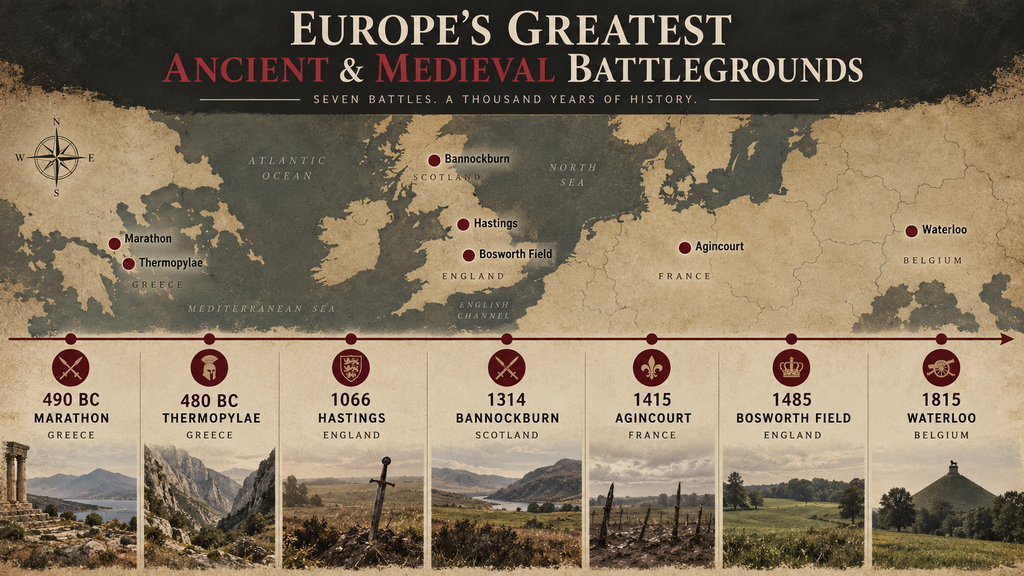
Long before the trenches of Flanders or the beaches of Normandy, Europe was already being shaped on its battlefields. Some of these places changed the course of Western history in a single afternoon. Others held out for years. All of them can still be visited today — and for the traveller willing to go a little further than the obvious WWI and WWII circuit, they offer something rarer: battle sites where the landscape itself, not just the memorials, tells the story.
This guide covers Europe’s most significant ancient and medieval battlegrounds — where they are, what actually survives to see, and how to plan a visit that goes beyond a plaque in a field. It’s the pillar guide for our Ancient & Medieval Battlegrounds cluster; each site below links out to a full standalone visitor guide.
Why Ancient and Medieval Battlefields Deserve Their Own Trip
Ancient and medieval battle sites attract a slightly different traveller than WWI and WWII destinations. The audience here is broader — classics enthusiasts, medievalists, castle-and-heritage travellers, and anyone who grew up on the stories of Thermopylae, Hastings, or Agincourt. Because so little physical infrastructure remains at most of these sites (no bunkers, no preserved trenches), the experience relies more on the landscape, on interpretation panels and small museums, and on knowing exactly where to stand and what to imagine.
That makes preparation more important than at, say, Normandy. This guide is designed to give you that preparation before you go.
Free Download
The WWI Battlefield Visitor Checklist
Everything to see, pack, and plan before you visit the Western Front — straight to your inbox.
No spam — just battlefield travel guides. Unsubscribe any time.
The Battlegrounds Covered in This Guide
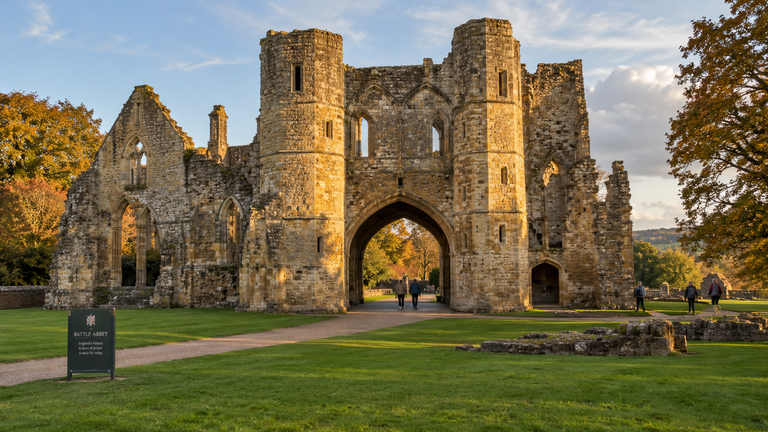
1. The Battle of Hastings (1066) — East Sussex, England
Fought on 14 October 1066 near what is now Battle, East Sussex, Hastings ended Anglo-Saxon England and installed William the Conqueror as king. Battle Abbey, built on the site by William himself, now anchors the visitor experience, with the battlefield trail running across the slope where Harold’s shield wall reportedly stood.
Full guide: Visiting the Battle of Hastings Site — Battle Abbey and 1066 Country
2. Thermopylae (480 BC) — Central Greece
The pass where a small force of Greeks, famously including 300 Spartans under King Leonidas, held off a vastly larger Persian army for three days. The coastline has shifted significantly since 480 BC, so visiting well means understanding how to read a landscape that has changed shape — the modern memorial and inscribed stone are the anchor points for most visitors.
Full guide: Thermopylae — Visiting the Pass Where 300 Spartans Made Their Stand
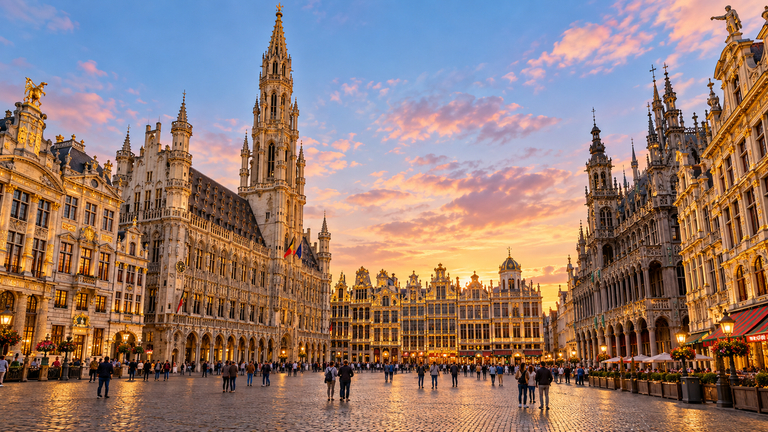
3. Waterloo (1815) — Belgium
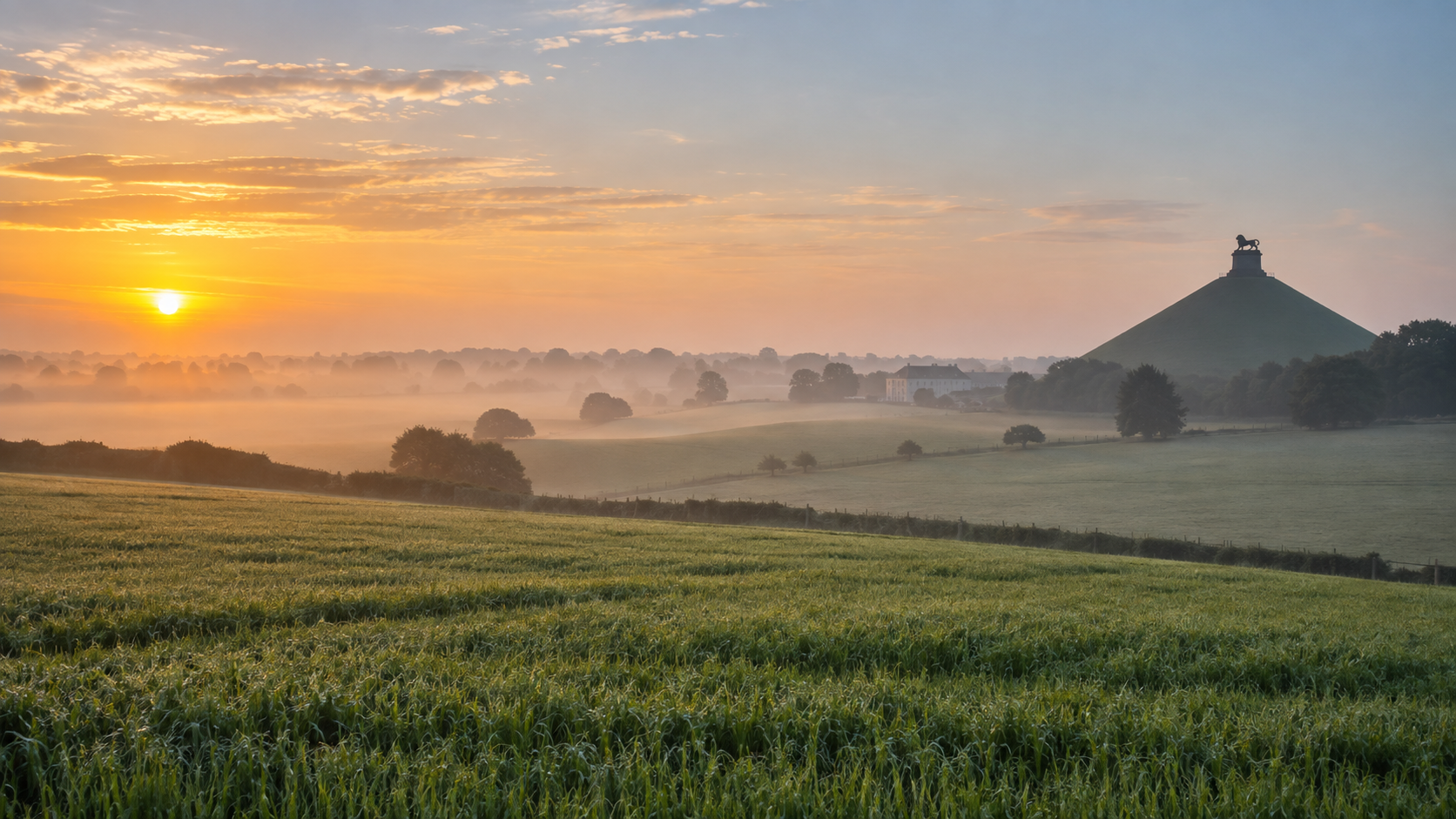
The battle that ended Napoleon’s rule for good, fought just south of Brussels. Waterloo is the best-preserved and most visitor-ready site in this entire cluster, with the Lion’s Mound, the Memorial 1815 underground museum, and a battlefield largely unchanged by development.
Full guide: Waterloo Battlefield — A Complete Visitor’s Guide
4. Agincourt (1415) — Azincourt, France
Henry V’s outnumbered English army defeated the French in a muddy field in northern France, immortalised centuries later by Shakespeare. The small Azincourt museum does an excellent job of putting visitors inside the chaos and terrain of the battle.
Full guide: Agincourt (Azincourt) — How to Visit the 1415 Battlefield in France
5. Marathon (490 BC) — Attica, Greece
The battle that gave its name to the modern race, and the Greek victory that halted the first Persian invasion. The burial mound (the Soros) raised over the Athenian dead still stands on the plain, a rare case of an ancient battlefield marker surviving in situ.
Full guide: Marathon Battlefield — Visiting the Site of Ancient Greece’s Greatest Victory
6. Culloden (1746) — near Inverness, Scotland
The last pitched battle fought on British soil, ending the Jacobite rising in under an hour. The National Trust for Scotland’s visitor centre and restored moorland battlefield make this one of the most moving and best-interpreted sites on this list.
Full guide: Culloden Battlefield — Scotland’s Last Land Battle and What to See
7. Bosworth Field (1485) — Leicestershire, England
Where Richard III was killed and the Plantagenet line ended, ushering in the Tudor dynasty. Ongoing archaeological work has actually relocated the accepted battle site in recent decades, making this a genuinely fascinating case study in how battlefield archaeology works.
Full guide: Bosworth Field — Visiting the Battlefield Where Richard III Fell
8. Bannockburn (1314) — near Stirling, Scotland
Robert the Bruce’s decisive victory over Edward II, and one of the most significant battles in Scottish history. The modern visitor centre uses 3D battle projection technology alongside the physical site, making it one of the more family-friendly stops in this cluster.
Full guide: Bannockburn — Visiting Scotland’s Most Famous Medieval Battle Site
9. The Battlefields of Ancient Rome
Rome’s military history spans continents and centuries, but several sites — from the legacy of the Colosseum’s gladiatorial displays to the remote battlefield of Alesia in France, where Caesar defeated Vercingetorix — can be woven into a single Roman military history itinerary.
Full guide: The Battlefields of Ancient Rome — From the Colosseum to Alesia
10. Viking Battlegrounds of Britain and Ireland
From Stamford Bridge in Yorkshire (1066, days before Hastings) to Clontarf near Dublin (1014), Viking-era battle sites are scattered and often under-signposted — which makes a dedicated guide especially useful for travellers wanting to trace this history properly.
Full guide: Viking Battlegrounds of Britain — From Stamford Bridge to Clontarf
Planning a Multi-Site Ancient & Medieval Battlefield Trip
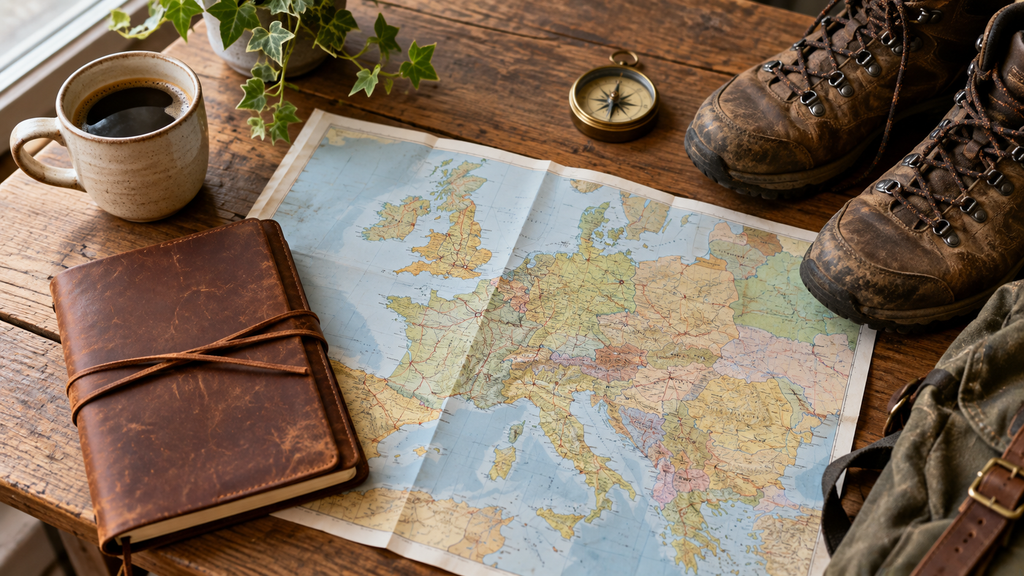
Because these sites are spread across Britain, Greece, France, and Belgium, few travellers will visit all ten in one trip. Instead, think in regional groupings:
- Britain in one trip: Hastings, Bosworth Field, Bannockburn, Culloden, and Stamford Bridge can realistically be combined into a two-week UK battlefield tour, ideally paired with castle stays.
- Belgium and Northern France: Waterloo and Agincourt sit within a few hours of each other and pair naturally with a Western Front WWI itinerary.
- Greece on its own: Thermopylae and Marathon are best combined with a broader Greek history trip, since both sites are relatively quick visits best paired with Athens or a wider itinerary.
Best Time to Visit
Most of these sites are outdoor, exposed landscapes with limited shelter, so shoulder-season travel (April–June and September–October) is ideal — cooler temperatures for walking the ground, and fewer crowds at the more popular stops like Waterloo and Culloden. Greece’s sites are best avoided in peak summer heat.
What to Bring
Because so many ancient and medieval battlefields are open fields, moorland, or coastal terrain rather than built visitor attractions, come prepared:
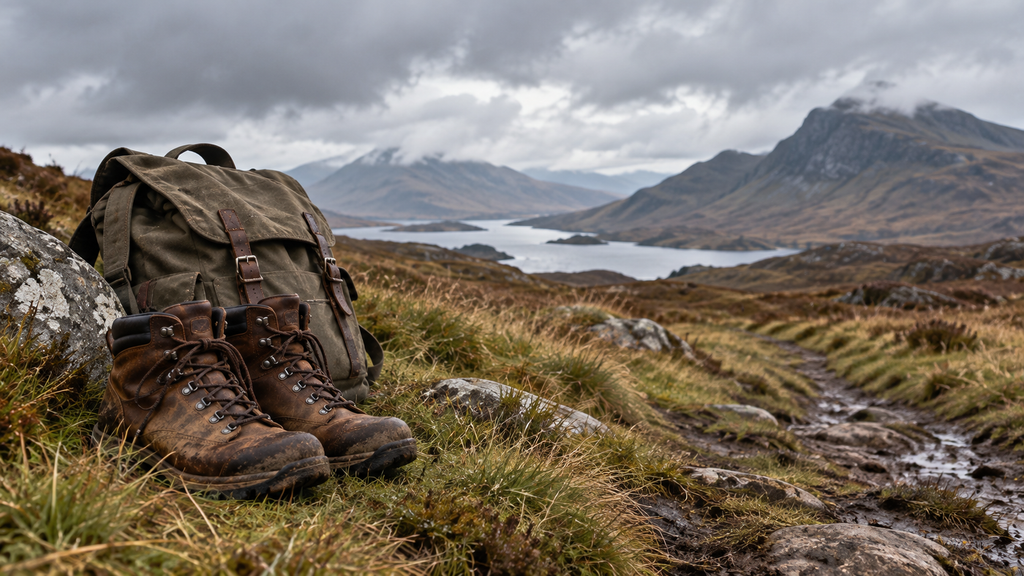
- Sturdy walking shoes — several of these sites involve uneven or unpaved ground
- A downloaded map or offline guide, as signal can be patchy at rural sites like Bosworth Field and Bannockburn
- A physical or audio guide with battle context, since on-site interpretation varies significantly in depth from site to site
Why This Cluster Pairs Naturally with Castle Travel
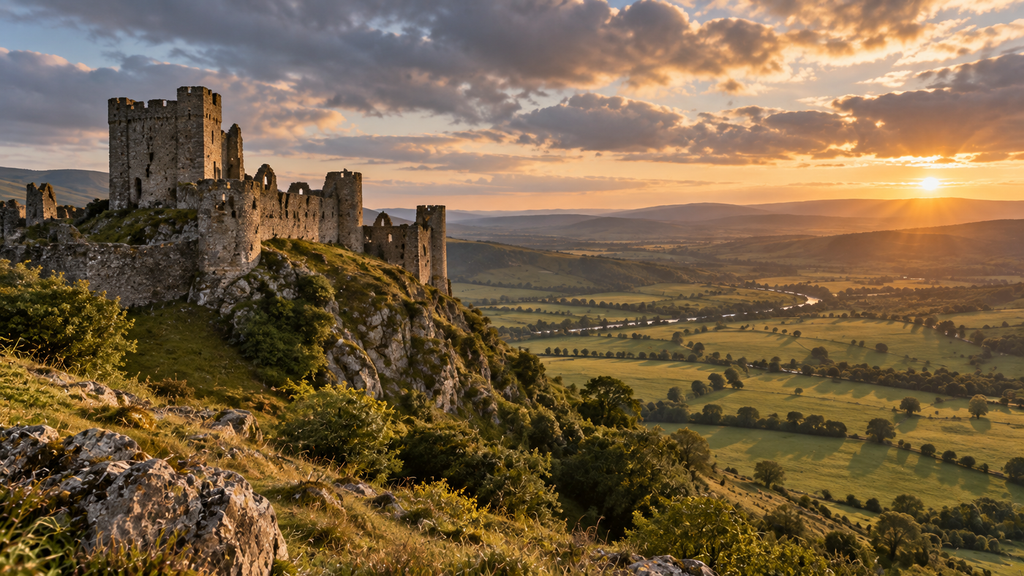
Nearly every site on this list sits within reach of a significant medieval or ancient castle, town wall, or fortification — Stirling Castle near Bannockburn, Leicester Castle near Bosworth Field, and the fortified towns of Flanders near Waterloo among them. If you’re building an itinerary around this cluster, it’s worth reading our sister site’s coverage of nearby castle stays for accommodation that fits the theme.
Final Thoughts
Ancient and medieval battlefields ask more of the traveller than modern war memorials do — there’s usually no bunker to walk through and no wall of names to read. What they offer instead is scale: the chance to stand in the exact place where a small decision, an unexpected flank, or three days of resistance in a mountain pass changed the direction of European history. With the right preparation, that’s an experience no museum can fully replace.