80th Anniversary D-Day Sites: What Changed and What to See
June 2024 was, by most accounts, the last D-Day anniversary that will be marked by the men who were actually there. That fact alone has changed Normandy — not just for one summer of ceremonies, but for how the region tells its story going forward. If you’re planning a visit now, you’re not seeing the same D-Day beaches your parents or grandparents might have visited a decade ago. Here’s what’s genuinely different, and where to focus your time.
Why the 80th Anniversary Changed Normandy for Good
Anniversaries this significant tend to accelerate investment that’s been years in the making, and the 80th was no exception. Local authorities, veterans’ charities, and national governments used the occasion to fund permanent additions rather than temporary displays — new memorials, expanded museums, and better-organised visitor infrastructure that will outlast the anniversary itself.
There’s also a quieter, more emotional shift. With so few veterans able to attend in person, sites across the invasion beaches have leaned harder into first-person testimony captured on film, audio guides built around personal letters, and interactive exhibits designed to carry living memory forward once there’s no one left to share it firsthand. Visiting now feels less like touring a historical site and more like being handed something to look after.
What’s Actually New: Memorials and Museums
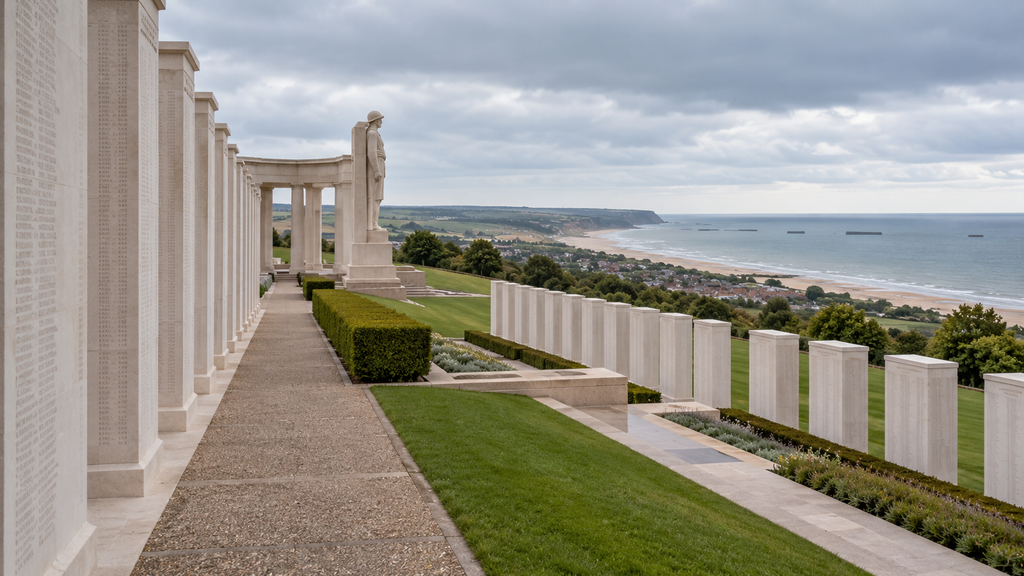
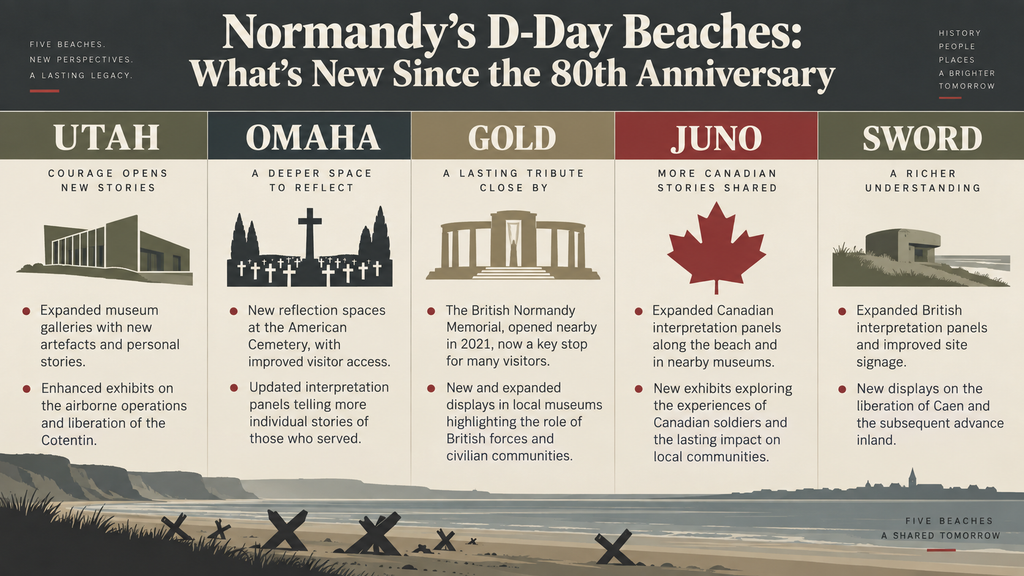
The single biggest physical change is the British Normandy Memorial at Ver-sur-Mer, overlooking Gold Beach. Opened in 2021 and refined in the years since, it lists over 22,000 names of those who died under British command on D-Day and in the Battle of Normandy — a memorial Britain had never had until now, despite France, Canada, and the United States having had theirs for decades.
Free Download
The WWI Battlefield Visitor Checklist
Everything to see, pack, and plan before you visit the Western Front — straight to your inbox.
No spam — just battlefield travel guides. Unsubscribe any time.
Elsewhere, several established museums used the anniversary to modernise. The Utah Beach Landing Museum and the Overlord Museum near Omaha Beach have both expanded their galleries with newly digitised veteran interviews, and Pegasus Bridge’s museum has added exhibits focused on the glider infantry’s role in the opening hours of the invasion — content that used to live only in specialist histories, now presented for a general visitor.
Beach by Beach: What to See Now
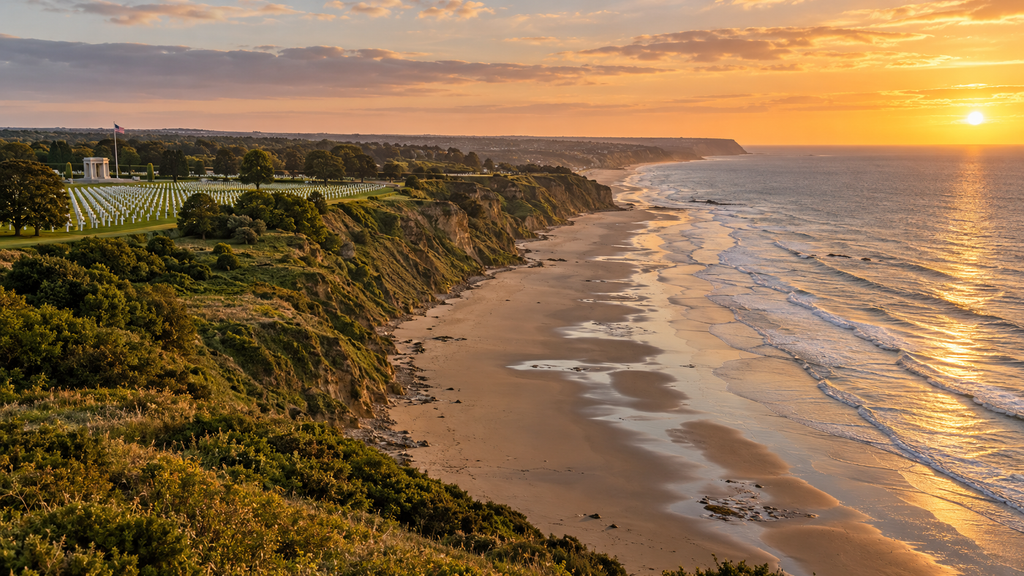
Omaha Beach remains the emotional centre of gravity for most visitors, and the American Cemetery at Colleville-sur-Mer has added quieter reflection spaces away from the main visitor centre, a response to the sheer volume of anniversary-year crowds.
Utah Beach is quieter and better for visitors who want space to think rather than a queue to move through — the expanded museum here is genuinely worth the detour.
Gold, Juno, and Sword Beaches now benefit from the British Normandy Memorial and a stronger cluster of Canadian and British interpretation panels along the coast road, making it easier to follow the full arc of the landings rather than treating Omaha as the whole story.
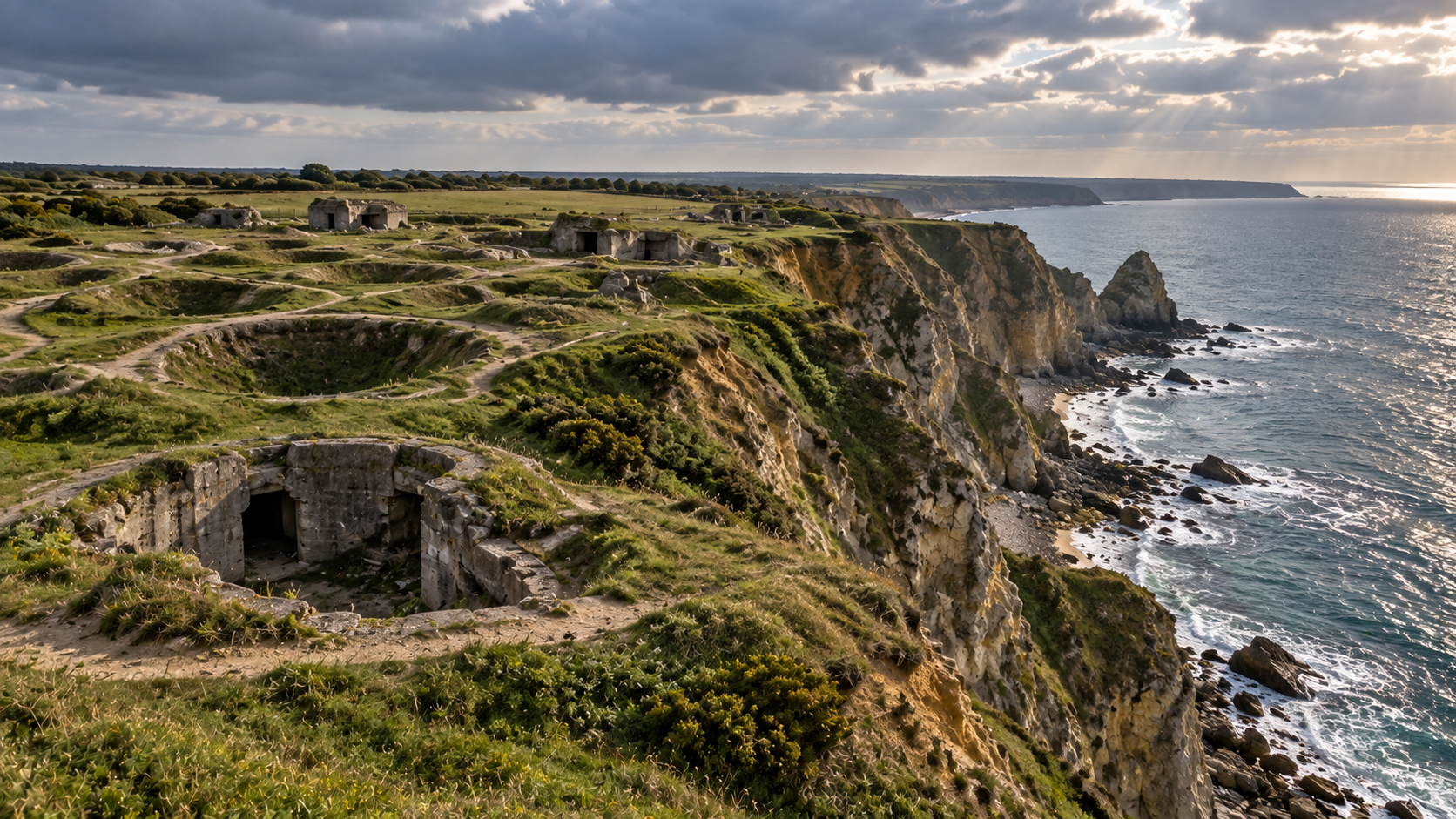
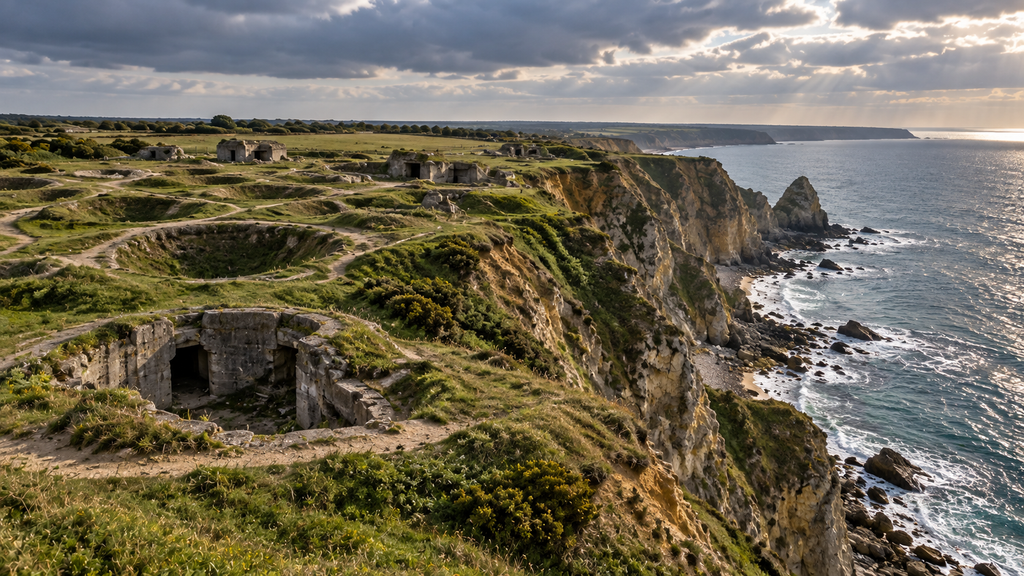
Pointe du Hoc has had erosion-control work completed on the cliff paths, so areas that were fenced off for safety during earlier visits are now accessible again.
Utah Beach, Sword Beach, Gold Beach, and Juno Beach: The Full Guide
Practical Changes Worth Knowing Before You Go
Crowd patterns have shifted. Anniversary-year infrastructure — better signage, expanded parking at Colleville-sur-Mer and Ver-sur-Mer, additional shuttle services in Bayeux — is mostly still in place, which makes visiting easier year-round now, not just in June. That said, June 6 itself remains extremely busy every year, not only on landmark anniversaries, so book accommodation in Bayeux or Caen well ahead if you’re travelling around that date.
Several tour operators introduced new themed itineraries for the 80th that have since become permanent offerings, including combined Western Front and Normandy itineraries for visitors tracing family history across both world wars.
The Complete Guide to Visiting the D-Day Beaches in Normandy
Planning Your Visit
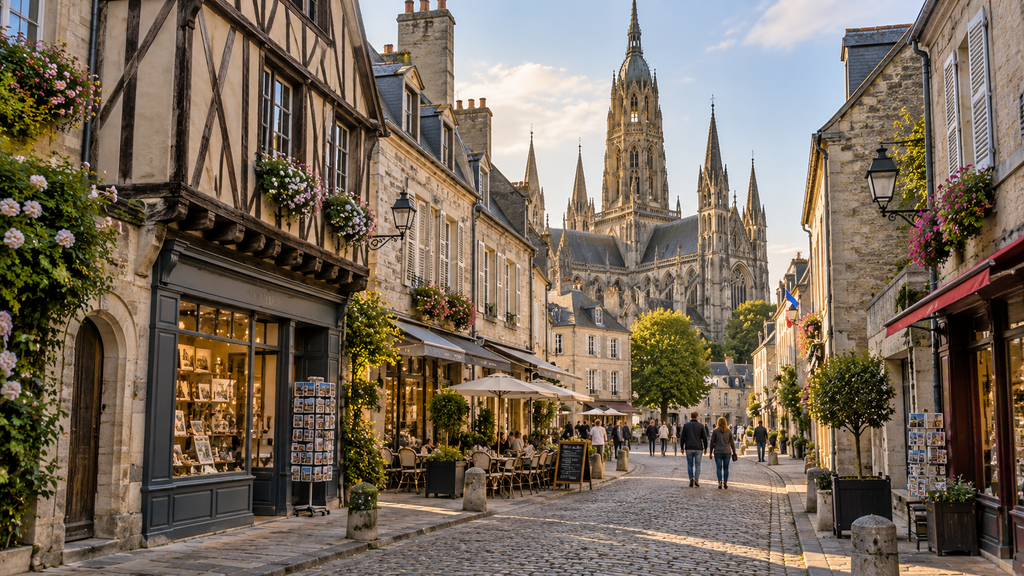
If you’re building a Normandy trip around these changes, a guided tour is the easiest way to see the new memorials alongside the classic beach sites without missing context that isn’t yet on Google Maps. For independent travellers, base yourself in Bayeux — it sits within easy reach of all five beaches and the American Cemetery, and has the widest range of accommodation for different budgets.
Whichever way you visit, go with a little more time than you think you need. These are sites designed to be walked slowly, not ticked off — and with fewer veterans left to tell the story in person, the sites themselves are doing more of that work than ever before.