

Japan’s Historical Landmarks: A Traveler’s Guide
The Japanese archipelago’s recorded history stretches back to the 8th century, with archaeological evidence suggesting human habitation dating to 30,000 BCE. Each historical landmark tells a unique story of Japan’s journey from ancient times through feudal periods to modernization. Japan’s Historical Landmarks have survived centuries of change, natural disasters, and even war, standing as testimonies to Japan’s architectural genius and cultural resilience. Understanding these landmarks means understanding the very essence of Japanese civilization.
Ancient Capitals
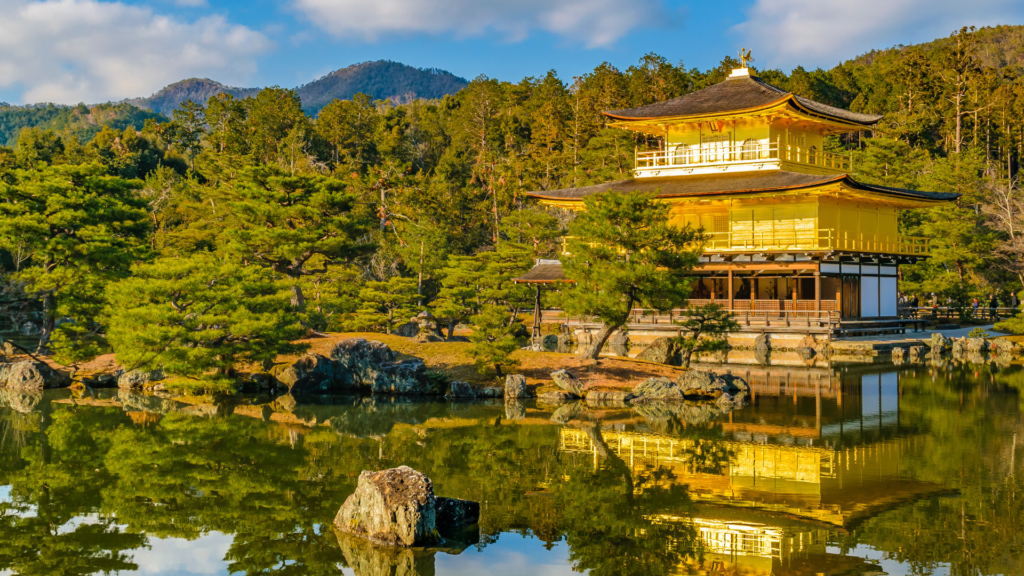
Kyoto served as Japan’s imperial capital from 794 to 1868, established during the Heian period when Emperor Kanmu sought to escape the growing religious influence in the former capital of Nara. The Golden Pavilion (Kinkaku-ji), built in 1397 as a retirement villa for Shogun Ashikaga Yoshimitsu, was converted into a Zen temple upon his death in 1408. Despite being burned down by a monk in 1950, its perfect reconstruction maintains the original design that symbolized the harmony between heaven and earth.
Fushimi Inari Shrine‘s history dates back to 711 CE, before Kyoto became the capital. The endless torii gates were donated by merchants and businessmen over centuries, as Inari became associated with commercial success. The oldest standing parts of Kiyomizu-dera date to 1633. The temple was founded in 778 by the Hosso sect. Its unique construction uses no nails and showcases Edo-period architectural innovation.
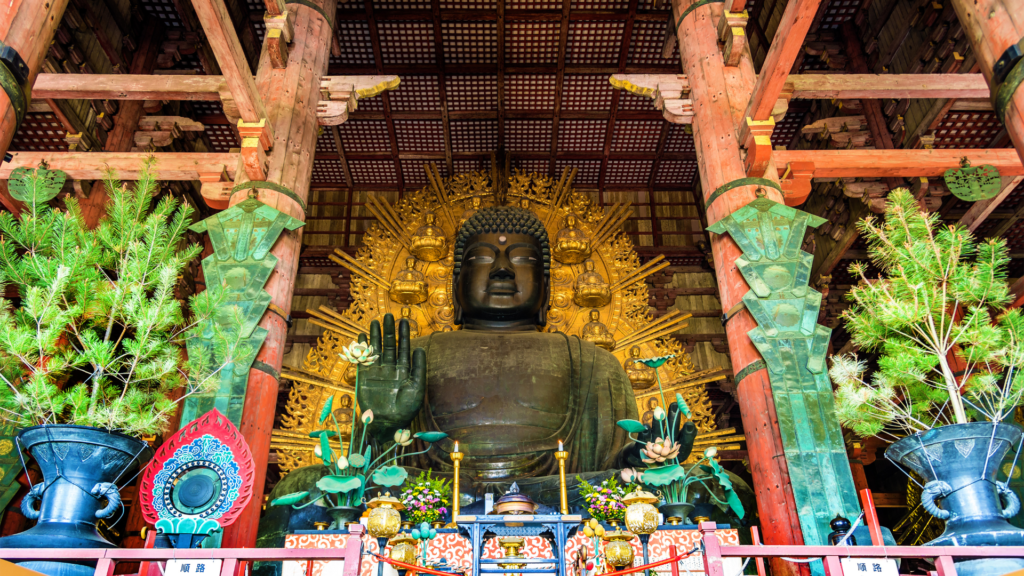
Nara’s prominence as Japan’s first permanent capital (710-784 CE) stemmed from its adoption of Chinese imperial city planning. Todai-ji Temple, completed in 752, housed the Great Buddha statue that nearly bankrupted Japan’s economy with its construction, using most of Japan’s bronze production and vast amounts of gold. The temple’s size was politically threatening, that later capitals were moved to diminish its influence.
Free Download
The WWI Battlefield Visitor Checklist
Everything to see, pack, and plan before you visit the Western Front — straight to your inbox.
No spam — just battlefield travel guides. Unsubscribe any time.
Iconic Castle Structures
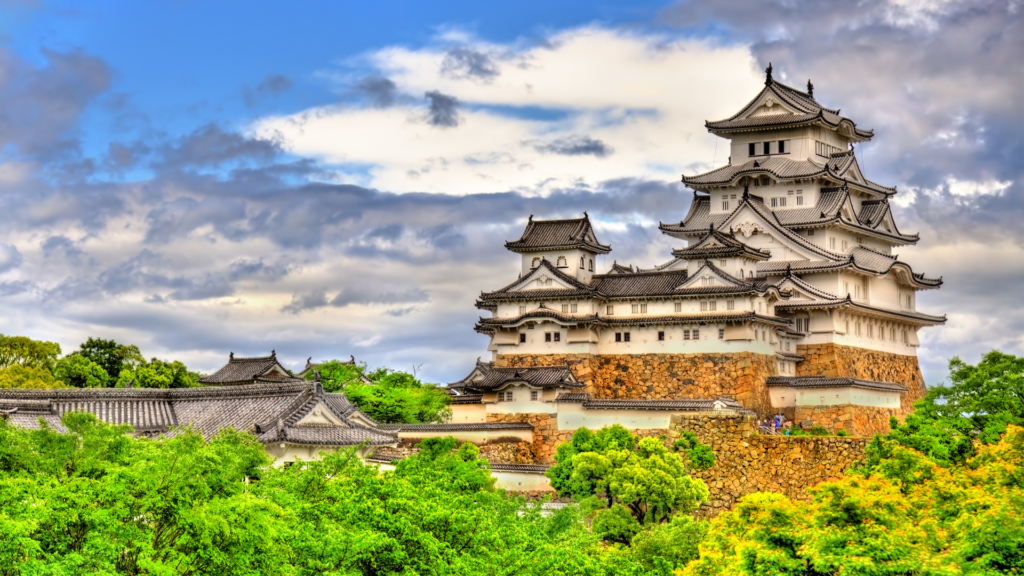
Himeji Castle‘s origins trace back to 1333, when a fort was established on Himeyama hill. Its transformation into the current structure began in 1581 under Toyotomi Hideyoshi, with major additions in 1601 by Ikeda Terumasa. The castle’s complex defensive systems, including maze-like approaches and hidden warriors’ chambers, represent the peak of Japanese castle engineering. Unlike many Japanese castles, Himeji survived WWII bombing, earthquakes, and natural disasters, maintaining its original structure.
Matsumoto Castle, built in 1504, represents one of Japan’s few remaining original castles. Its unique black exterior earned it the nickname “Crow Castle,” and its position in the mountains made it a crucial military installation. The castle’s steep stairs and low ceilings reflect medieval military architecture designed to impede attacking soldiers.
Sacred Sites and Temples
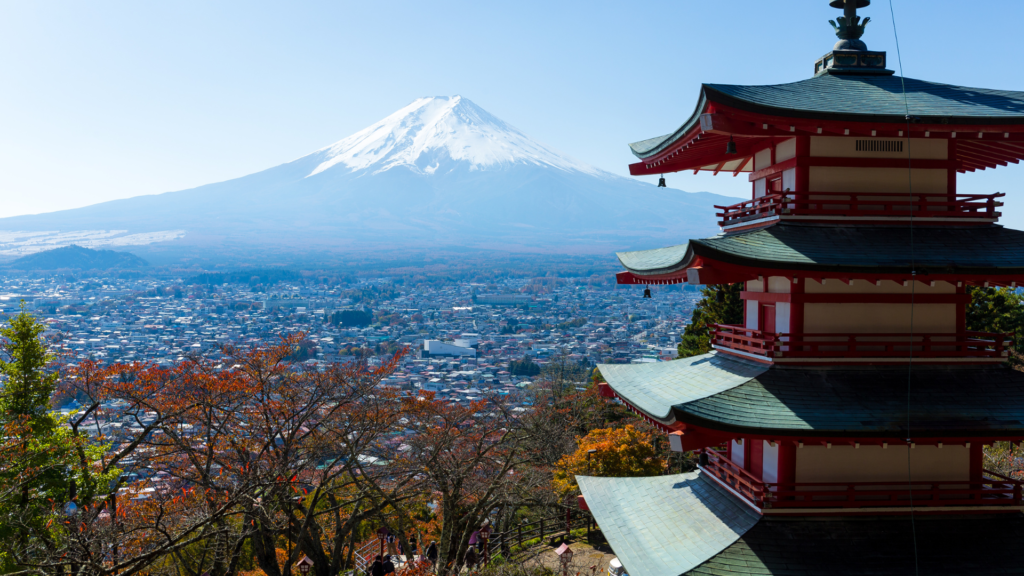
Mount Fuji’s first recorded ascent occurred in 663 CE by an anonymous monk. The mountain became central to Shinto-Buddhist religious practices during the Heian period (794-1185). The Sengen Shrines, built to appease the mountain’s kami (spirit), date from the 9th century. The oldest shrine buildings still standing today date from the 17th century, rebuilt after devastating earthquakes.
Itsukushima Shrine on Miyajima Island traces its founding to the 6th century, though its famous floating torii gate design dates to 1168, built under Taira no Kiyomori’s patronage. The shrine’s unique construction over water reflects ancient Shinto beliefs about purity and the separation of sacred and profane spaces. The current torii gate is the eighth generation, constructed in 1875.
Historical Districts
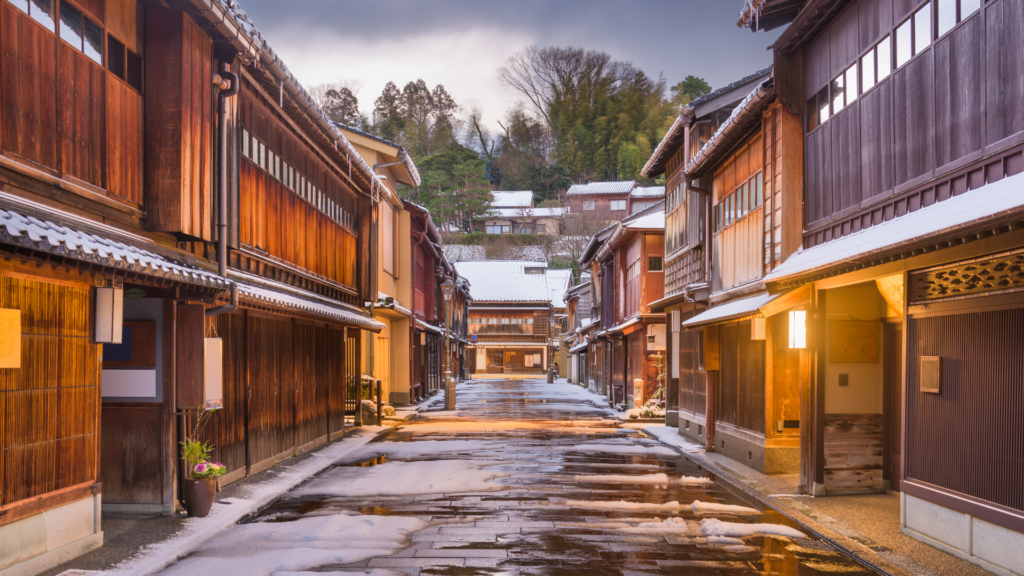
Kanazawa escaped WWII bombing, preserving one of Japan’s most complete Edo-period cities. The Kenroku-en garden, begun in the 1620s by the Maeda clan, took nearly two centuries to complete. Each element represents careful consideration of Chinese garden philosophy adapted to Japanese aesthetics. The nearby samurai district preserves the original layout from the 1583 establishment of Kanazawa as a castle town.
Takayama’s isolation in the Hida mountains helped preserve its Edo-period character. The town prospered from high-quality timber and skilled carpentry, with many of its craftsmen hired to build imperial and religious structures in Kyoto and Nara. The morning markets date back to the 1700s, when they were established under official sanction of the Kanamori clan.
Modern Historical Sites
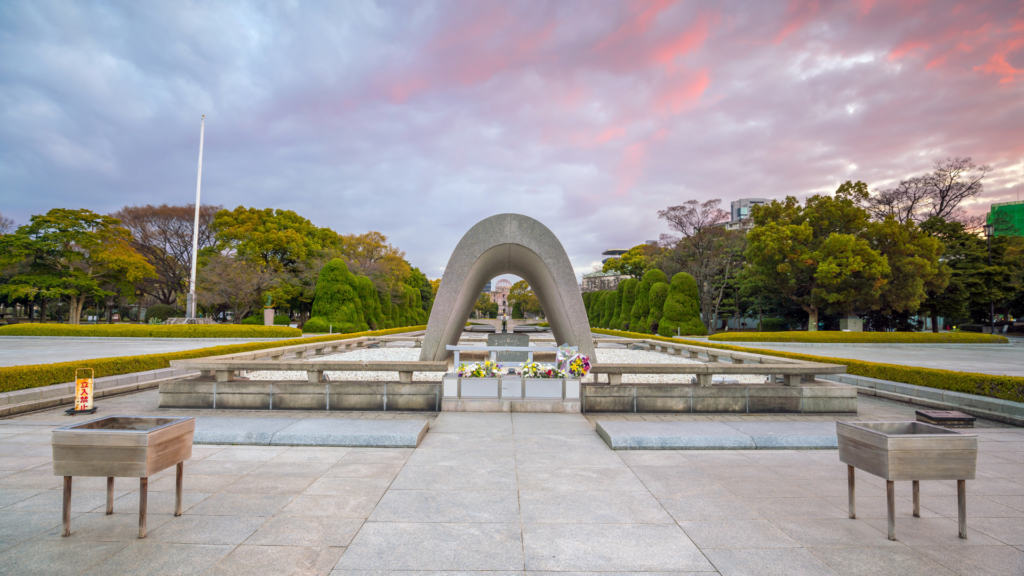
The Hiroshima Peace Memorial (Genbaku Dome) was one of few structures left standing after the atomic bombing in1945. It was originally built in 1915 as the Hiroshima Prefectural Industrial Promotion Hall. Its skeletal remains were preserved as a memorial at the request of local residents, despite initial controversy.
The Meiji Shrine, constructed in 1920, commemorates Emperor Meiji and Empress Shoken, who led Japan’s transformation from feudal state to modern nation. The shrine’s forest, now seemingly ancient, was actually created by planting 120,000 trees from across Japan, symbolizing the nationwide support for modernization.
Practical Travel Tips
Many sites follow the principles of geomancy and traditional Japanese architecture, which can help visitors understand their layout. For instance, temples typically face south, with gates and paths arranged to ward off evil spirits. Understanding these principles enriches the visitor’s appreciation of these historical spaces.
Conclusion
Each landmark in Japan carries centuries of history, often surviving multiple rebuildings and renovations while maintaining their original spiritual and cultural significance. When visiting these sites, one walks through layers of Japanese history – from ancient Shinto beliefs to Buddhist influences, from feudal power struggles to modern resilience. These aren’t simply old buildings; they’re living repositories of Japanese cultural memory, each telling its own story of survival, adaptation, and preservation.
More from Battleground History:


