
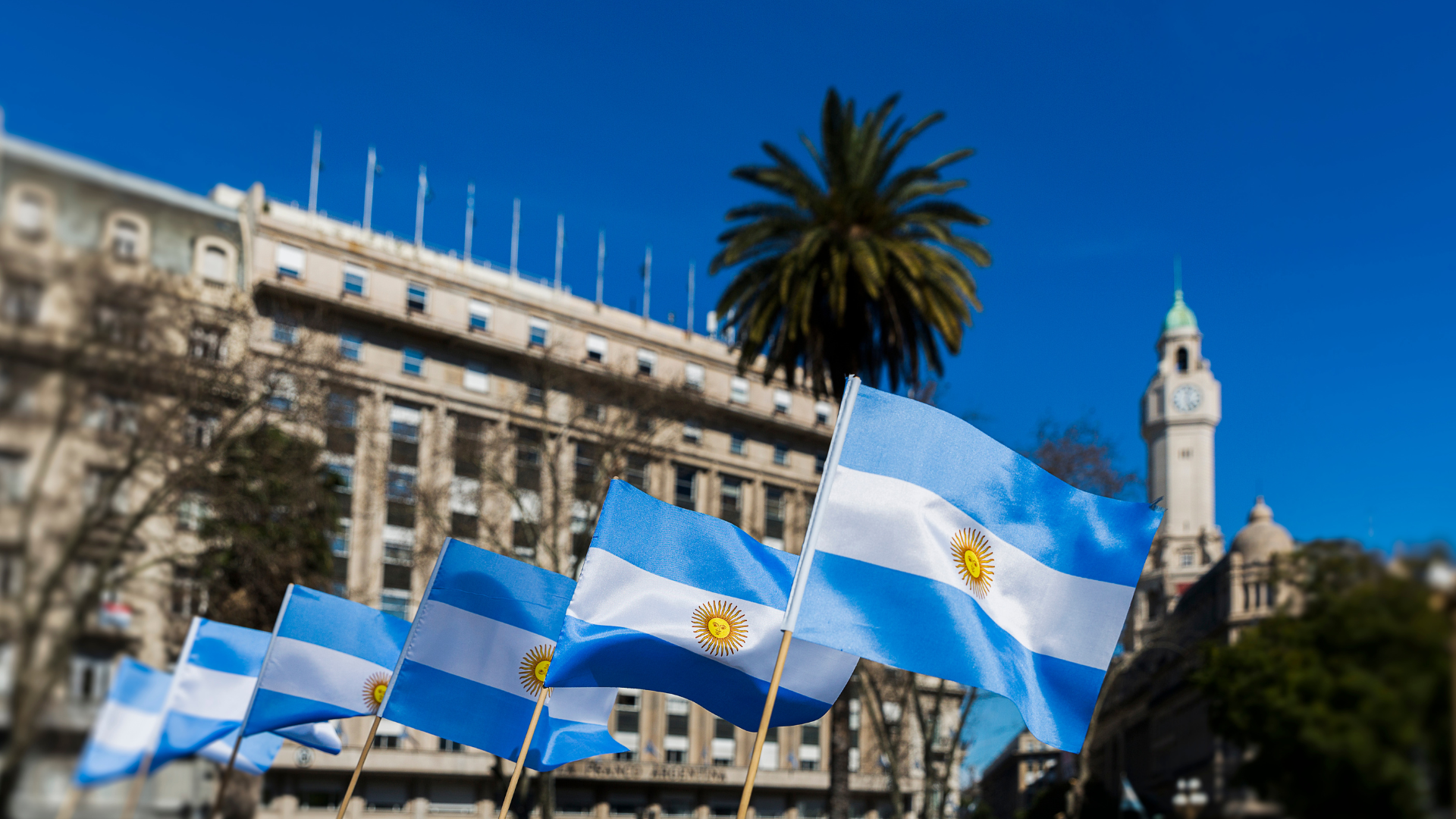
Exploring Argentina’s Historical Landmarks
Argentina’s Historical Landmarks weave together influences from indigenous peoples, Spanish colonizers, and waves of European immigrants. This diverse heritage has left an indelible mark on the country’s landscape, from ancient cave paintings to grand colonial architecture. For history enthusiasts and travelers alike, Argentina offers a journey through time that spans thousands of years of human civilization.
Buenos Aires Historical Sites

At the heart of Argentina’s capital lies Plaza de Mayo, the epicenter of the nation’s political history. The iconic Casa Rosada has witnessed countless historical moments and still serves as the presidential palace. Nearby, the Metropolitan Cathedral, with its impressive neoclassical design, stands as a testament to the country’s deep Catholic roots. The colonial-era Cabildo, once the seat of Spanish administration, now houses a fascinating museum chronicling the city’s evolution.
The charming San Telmo district transports visitors to nineteenth-century Buenos Aires. Its cobblestone streets are lined with well-preserved colonial buildings, while the famous Sunday antique market brings history to life through artifacts and collectibles. Traditional cafes, some over a century old, continue to serve coffee in the same elegant surroundings that once hosted distinguished writers and artists.
The Recoleta Cemetery, perhaps Buenos Aires’ most compelling historical site, is a city within a city. Its elaborate mausoleums and statuary tell the stories of Argentina’s most prominent families, including the final resting place of Eva Perón. The architectural styles range from Art Nouveau to Neo-Gothic, creating an outdoor museum of funerary art.
Free Download
The WWI Battlefield Visitor Checklist
Everything to see, pack, and plan before you visit the Western Front — straight to your inbox.
No spam — just battlefield travel guides. Unsubscribe any time.
Colonial Heritage Sites
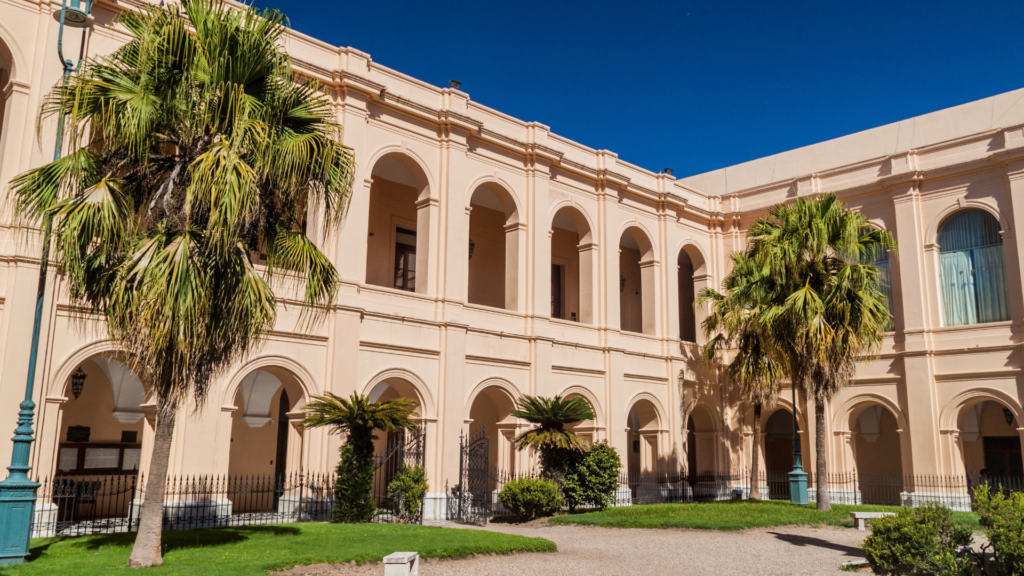
In the heart of Argentina, Córdoba’s Jesuit Block stands as a UNESCO World Heritage site, representing the educational and religious legacy of the Jesuit order. This complex, including one of South America’s oldest universities, showcases exceptional colonial architecture and bears witness to the cultural exchange between European and indigenous traditions.
The northern city of Salta preserves some of the finest colonial architecture in the country. Its central plaza, dominated by the striking San Francisco Church with its towering red and gold façade, offers visitors a glimpse into Spanish colonial urban planning. The beautifully restored Cabildo building houses historical exhibits that bring the colonial period to life.
Indigenous Historical Sites
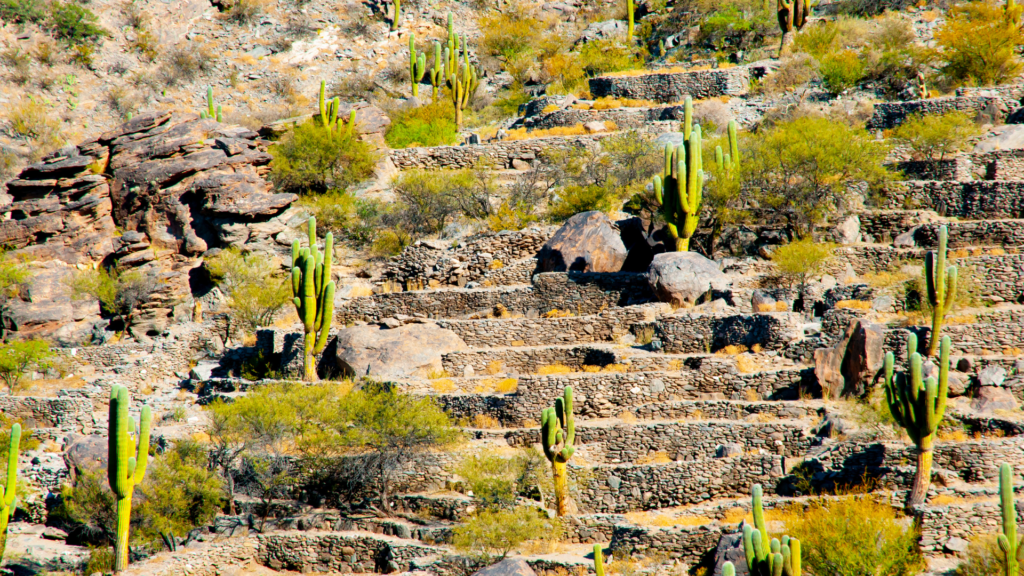
The ancient ruins of Quilmes, set against the backdrop of mountainous terrain, tell the story of indigenous resistance against Spanish conquest. This pre-Columbian city, with its sophisticated urban planning and defensive structures, demonstrates the advanced civilization that existed before European arrival. The site’s stone walls and terraces have endured centuries, offering insights into indigenous engineering and social organization.
Deep in Patagonia, the Cueva de las Manos (Cave of Hands) presents one of the most remarkable collections of prehistoric art in South America. The cave walls, adorned with stenciled handprints and hunting scenes dating back 9,000 years, provide a direct connection to our ancient ancestors. This UNESCO World Heritage site offers an unparalleled window into prehistoric life in Patagonia.
Industrial & Immigration Heritage
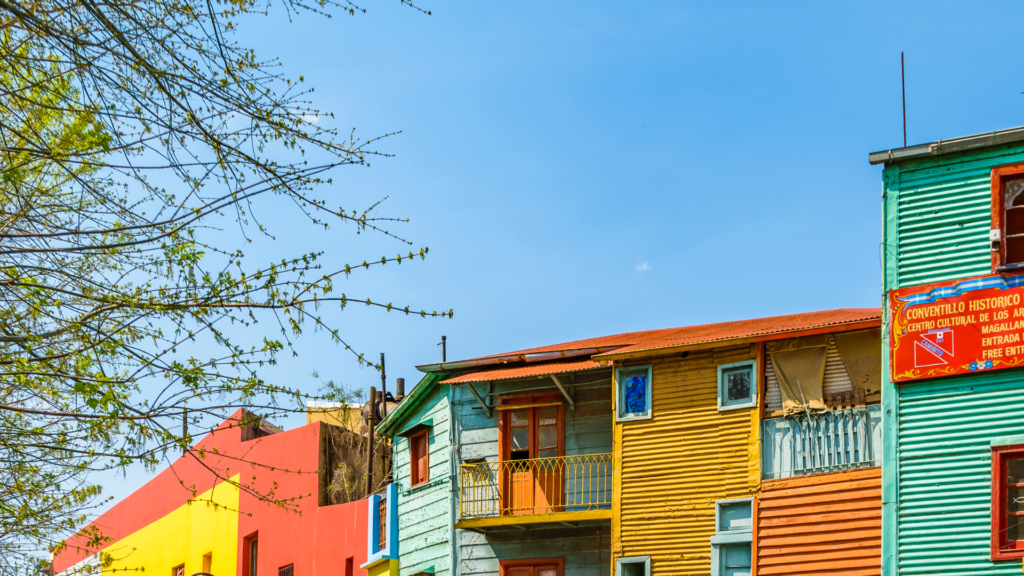
The vibrant La Boca neighborhood embodies Argentina’s immigration story. Originally settled by Italian immigrants, its famous Caminito street displays distinctive colorful houses built from corrugated metal – a creative response to poverty that has become an iconic symbol of Buenos Aires. The area’s maritime heritage remains visible in its architecture and local traditions.
Puerto Madero represents Argentina’s industrial revolution and subsequent transformation. The historic waterfront’s red-brick warehouses, once vital to the grain trade, have been thoughtfully restored into upscale restaurants, offices, and apartments. This district demonstrates how historical preservation can harmonize with modern urban development.
Practical Tips For Argentina’s Historical Landmarks
Visitors should consider timing their visits to these historical sites carefully, as seasonal variations can significantly impact the experience. Many sites offer guided tours in multiple languages, providing deeper insights into their historical significance. Photography is generally permitted, though some interior spaces may have restrictions. Public transportation reaches most urban sites, while remote locations like Cueva de las Manos require arranged transportation.
Preservation Efforts
Argentina continues to invest in preserving its historical heritage through various conservation projects. Many sites participate in international preservation programs, combining traditional techniques with modern conservation methods. Visitors can contribute to these efforts by respecting site guidelines and supporting local preservation initiatives. The challenge of balancing tourism access with conservation remains ongoing, as Argentina works to protect these irreplaceable historical treasures for future generations.
Argentina’s Historical Landmarks
The preservation of Argentina’s historical sites represents not just the conservation of buildings and artifacts, but the protection of the nation’s collective memory. For travelers, these sites offer more than just photo opportunities; they provide profound connections to the diverse peoples and events that have shaped this remarkable country.
More from Battleground History:


