Historical Sites of Indonesia: A Journey Through Time and Battle
Indonesia, an archipelago of over 17,000 islands, is a tropical paradise and a land steeped in history. From ancient temples to colonial forts, the historical sites of Indonesia tell stories of its rich cultural heritage, fierce battles, and the resilience of its people. Here are some of Indonesia’s most significant historical sites, where history and legend intertwine.
Borobudur Temple
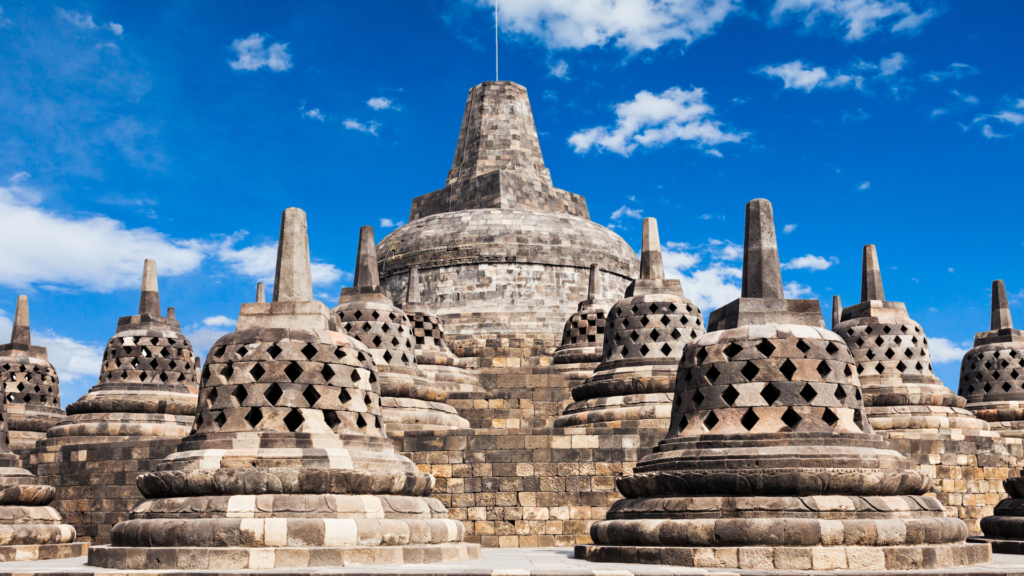
Located in Central Java, Borobudur is the world’s largest Buddhist temple and a UNESCO World Heritage Site. Built in the 9th century, it consists of nine stacked platforms adorned with over 2,500 relief panels and 504 Buddha statues. While Borobudur is primarily a religious site, it also has ties to the battles fought during the fall of the Sailendra Dynasty, when local rulers faced the encroaching influence of new religions and cultures.
Prambanan Temple

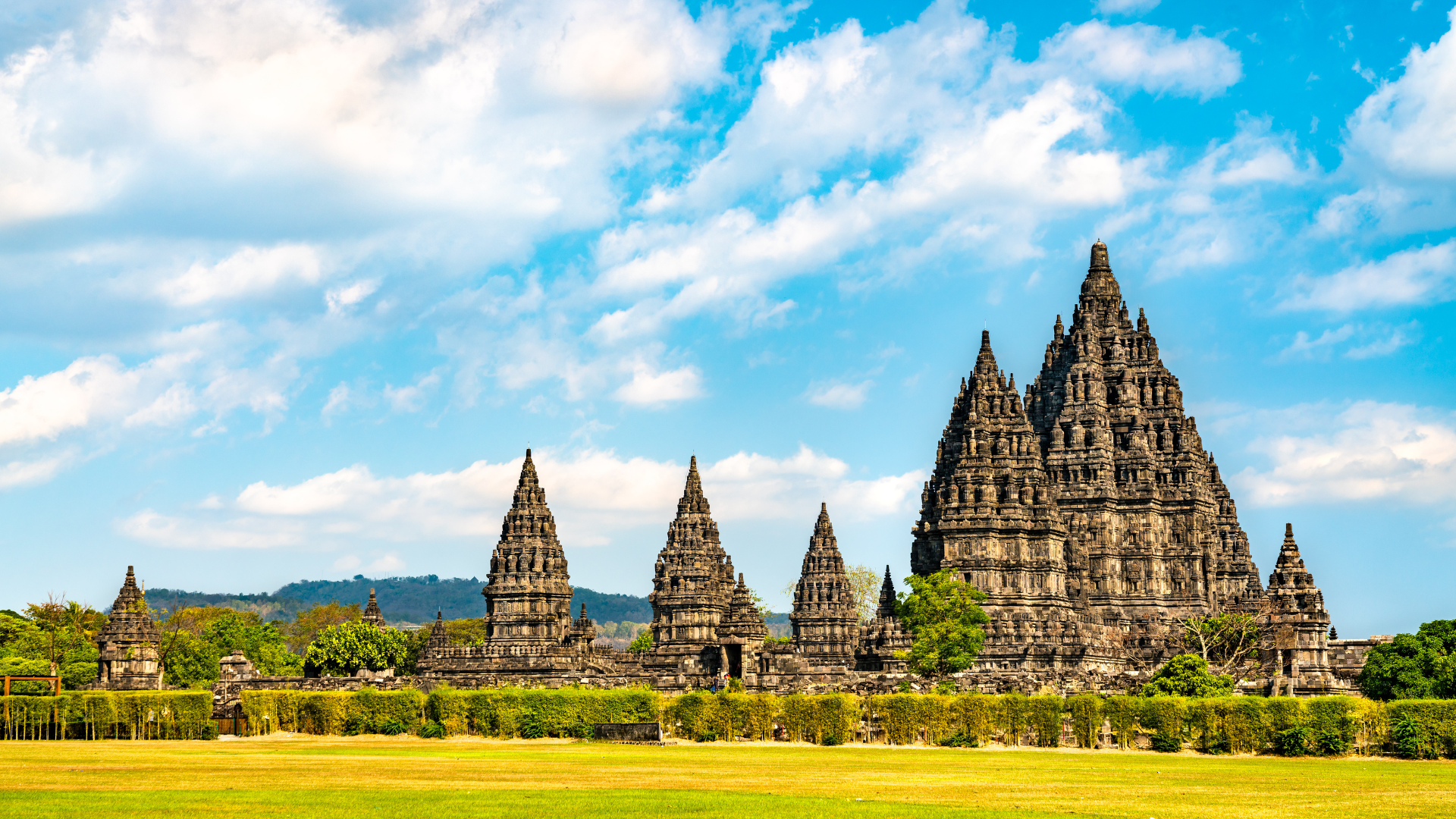
Another UNESCO World Heritage Site, the Prambanan Temple, stands as a magnificent Hindu temple complex, also in Central Java. Built in the 10th century, it is dedicated to the Trimurti: Brahma, Vishnu, and Shiva. This site is not just a testament to the Hindu influence in Indonesia but also to the struggles between the Hindu and Buddhist kingdoms, like the battle between the Sanjaya Dynasty and the Sailendra Dynasty, which shaped the religious landscape of the region.
Fort Rotterdam
Located in Makassar, South Sulawesi, Fort Rotterdam is a remnant of Indonesia’s colonial past. Originally built by the Gowa Kingdom in the 16th century, it was later taken over by the Dutch during their colonial rule. The fort witnessed several battles, particularly during the Makassar War (1666–1669), when Sultan Hasanuddin led a fierce resistance against the Dutch East India Company (VOC). Despite the fort’s eventual fall, it remains a symbol of the struggle against colonialism.
Free Download
The WWI Battlefield Visitor Checklist
Everything to see, pack, and plan before you visit the Western Front — straight to your inbox.
No spam — just battlefield travel guides. Unsubscribe any time.
Banten Old Town
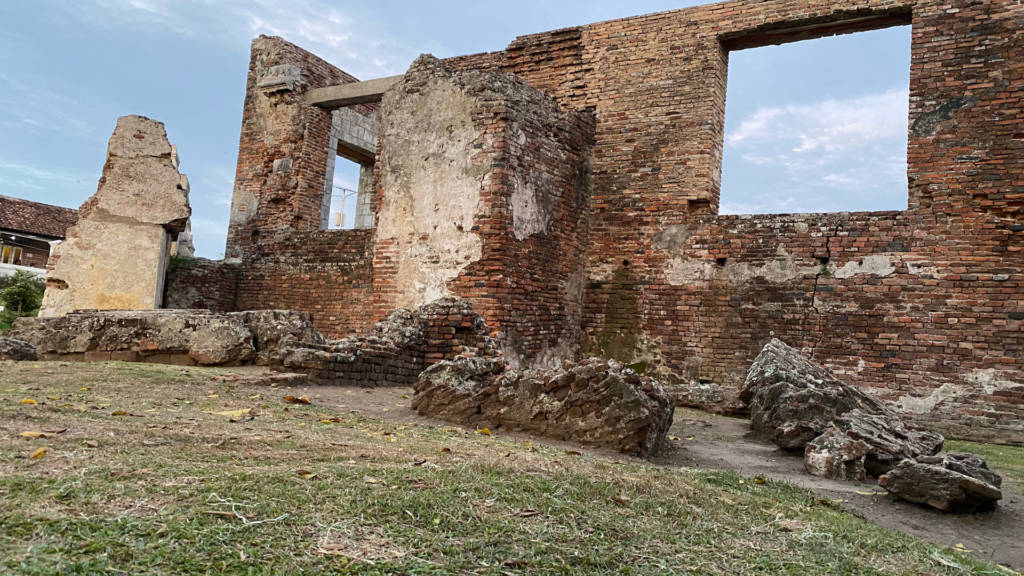
Banten Old Town in West Java was once the capital of the Banten Sultanate, a powerful maritime kingdom that thrived from the 16th to the 18th centuries. The town was a hub for trade and also the site of numerous conflicts, including battles with Portuguese and Dutch forces who sought to control the lucrative spice trade. The ruins of the Surosowan Palace and the Great Mosque of Banten are echoes of a time when the sultanate stood as a formidable power.
Merdeka Palace
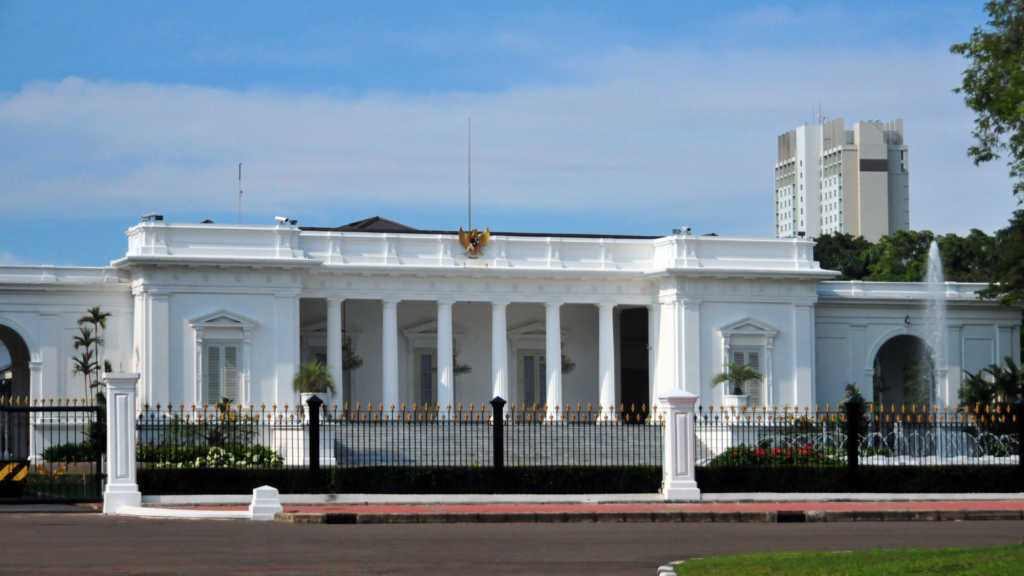
Merdeka Palace, located in Jakarta, is a key symbol of Indonesia’s fight for independence. Originally built as the residence of Dutch governors in the 19th century, it became the site of significant events during the Indonesian National Revolution (1945–1949). The palace was where the Japanese occupation ended, and where President Sukarno and Vice President Mohammad Hatta declared Indonesia’s independence on August 17, 1945. The battles that followed, particularly the Battle of Surabaya in November 1945, were crucial in the country’s struggle against Dutch re-colonization.
Bandung Lautan Api (Bandung Sea of Fire Monument)
The Bandung Sea of Fire Monument commemorates the events of March 24, 1946, when Indonesian nationalists set fire to the southern part of Bandung to prevent Dutch forces from reclaiming the city during the independence struggle. This act of resistance led to the battle known as the “Bandung Lautan Api,” symbolizing the Indonesians’ determination to fight for their freedom, even at great personal and collective cost.
Taman Sari Water Castle
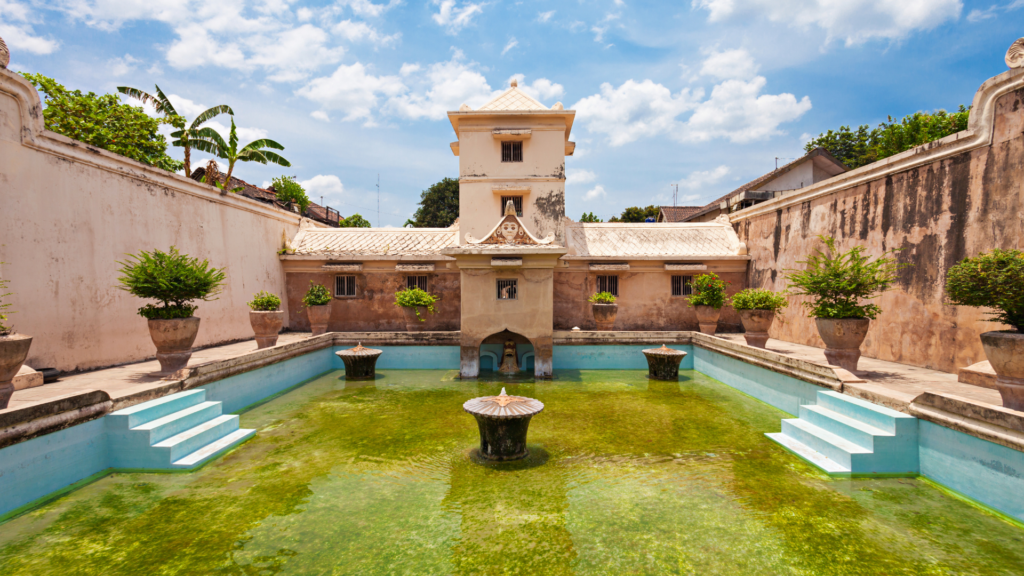
Located in Yogyakarta, Taman Sari was once the royal garden of the Sultanate of Yogyakarta. Built in the mid-18th century, it served not only as a place of leisure but also as a defense system. The underground tunnels and water features were designed to protect the royal family in times of siege. Taman Sari is closely linked to the history of the sultanate, which played a significant role in resisting Dutch colonial rule, especially during the Java War (1825–1830) led by Prince Diponegoro.
Monas (National Monument)
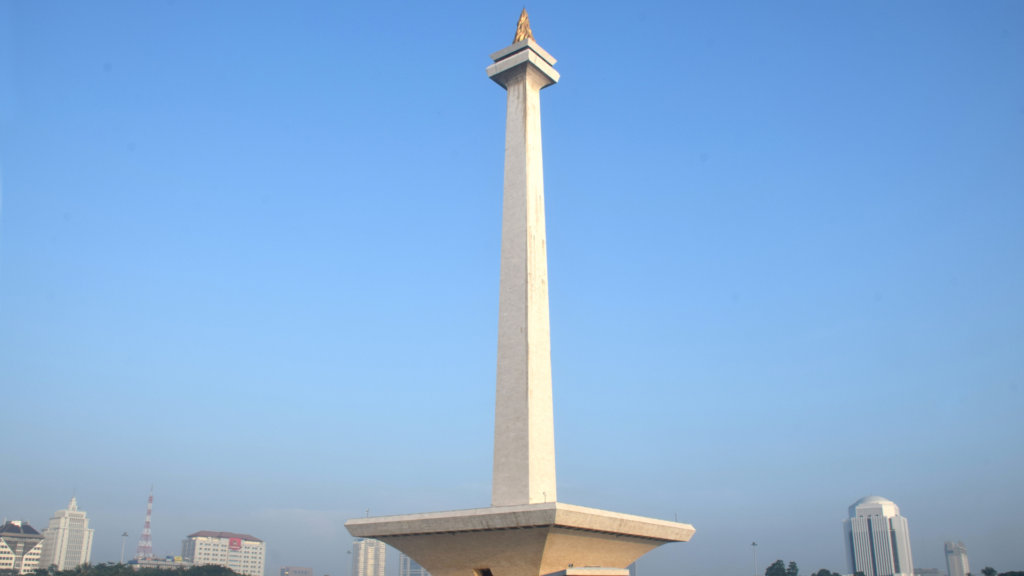
Standing proudly in Jakarta, the National Monument (Monas) is a symbol of Indonesia’s fight for independence. Built to commemorate the struggle against Dutch colonialism, Monas was completed in 1975 under the direction of President Sukarno. The monument is surrounded by a park that includes a relief depicting the Battle of Surabaya. Other key events of the independence movement are also there. Monas serves as a powerful reminder of the resilience and unity of the Indonesian people in their pursuit of freedom.
Gateways To Understanding
Indonesia’s historical sites are more than just tourist attractions. They are gateways to understanding the country’s complex past. They are marked by cultural achievements and the bravery of those who fought for their land. Visiting these sites offers a chance to connect with the stories of ancient empires, colonial resistance, and the enduring spirit of independence that defines Indonesia today. Whether you’re exploring the ancient temples of Java or the colonial forts of Sulawesi, each site provides a unique glimpse into the rich tapestry of Indonesia’s history.
More from Battleground History: