
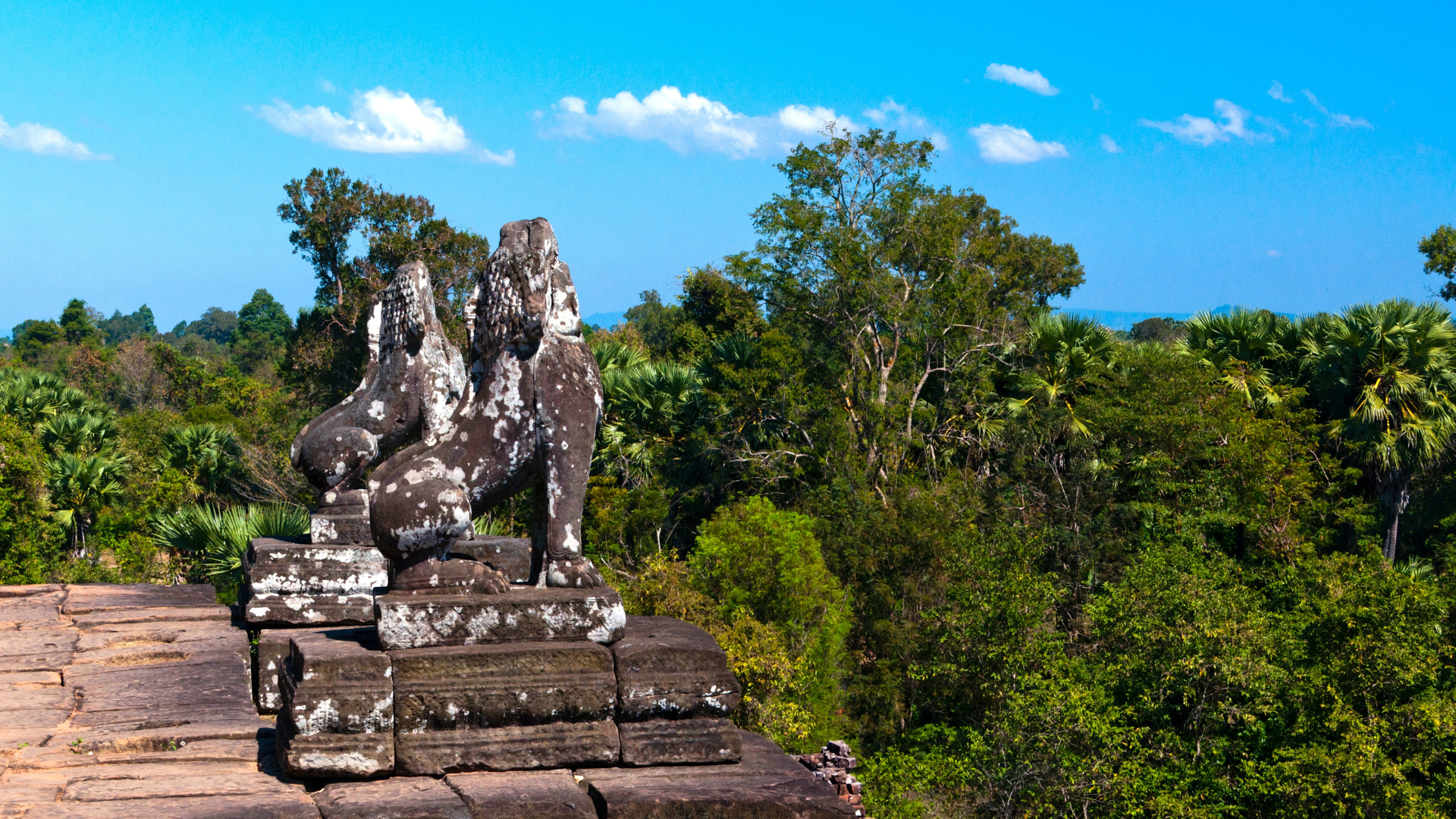
The Lost Kingdoms of Cambodia: Exploring the Land of Ancient Ruins
A country rich in history and culture, Cambodia is home to some of the most fascinating ancient ruins in the world. These Lost Kingdoms of Cambodia tell stories of grandeur, spirituality, and architectural genius that continue to captivate visitors and historians alike. Among the many ruins, the temples of Angkor stand out as the crown jewels, drawing millions of tourists each year. But beyond the famous Angkor Wat, countless other sites offer a deeper glimpse into Cambodia’s ancient past.
Angkor Wat: The Pinnacle of Khmer Architecture
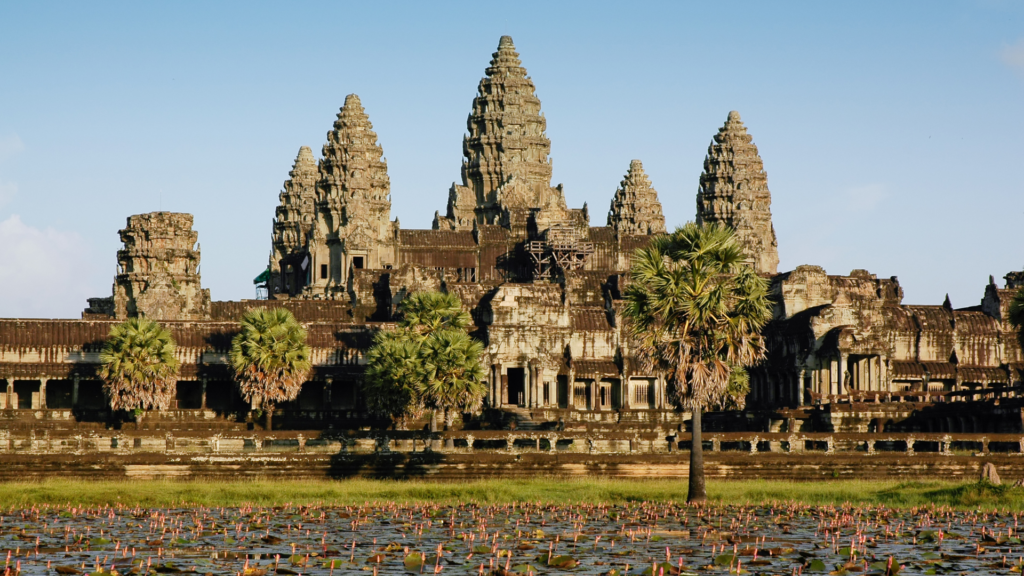
Angkor Wat, often referred to as the world’s largest religious monument, is the most iconic of Cambodia’s ruins. Built in the early 12th century by King Suryavarman II, this temple was dedicated to the Hindu god Vishnu. It was later converted into a Buddhist temple. Its symmetrical towers, intricate bas-reliefs, and massive moat reflect the height of Khmer architectural achievement. Walking through Angkor Wat at sunrise is an experience that feels almost timeless.
Ta Prohm: Nature’s Embrace
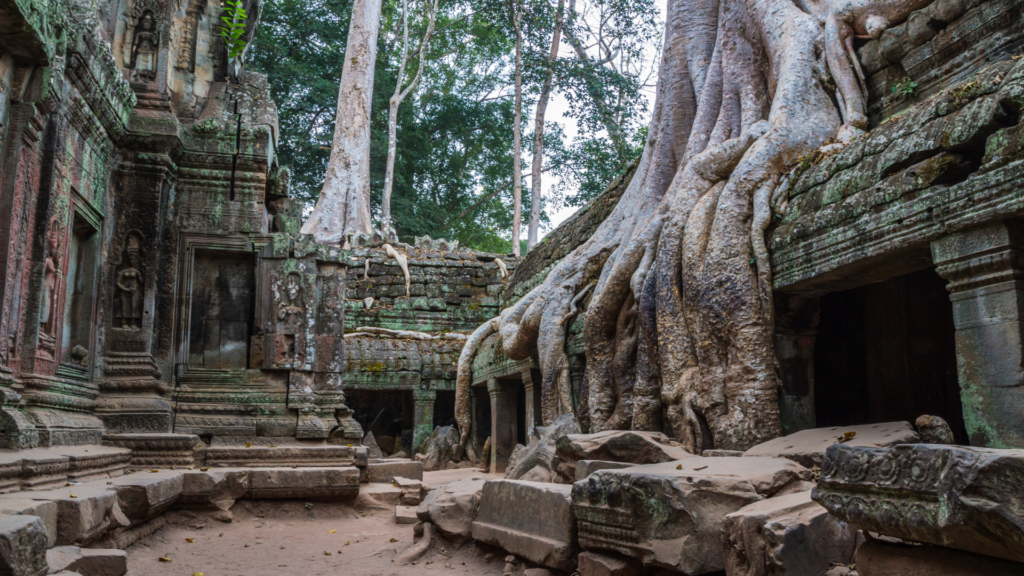
Just a short distance from Angkor Wat lies Ta Prohm, a temple that offers a different kind of awe. Known for the massive trees and roots that have entwined themselves with the stone ruins, Ta Prohm is described as the “Tomb Raider Temple” due to its appearance in the famous film. This site allows visitors to see how the jungle has slowly reclaimed these ancient structures, creating an almost mystical atmosphere where nature and human craftsmanship coexist.
Bayon: Faces of the Gods
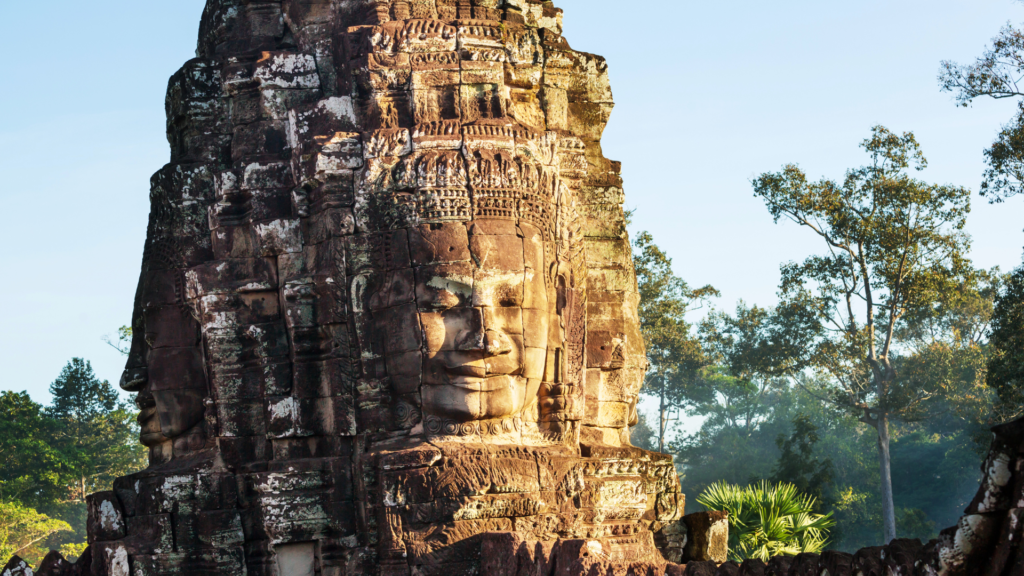
The Bayon temple, located in the heart of Angkor Thom, is another marvel of Khmer ingenuity. Known for its 54 towers adorned with 216 smiling stone faces, the Bayon is believed to represent the bodhisattva Avalokiteshvara or perhaps King Jayavarman VII himself. The temple’s design is complex and symbolic, reflecting the intersection of spiritual belief and political power in the Khmer Empire.
Free Download
The WWI Battlefield Visitor Checklist
Everything to see, pack, and plan before you visit the Western Front — straight to your inbox.
No spam — just battlefield travel guides. Unsubscribe any time.
Banteay Srei: The Jewel of Angkor
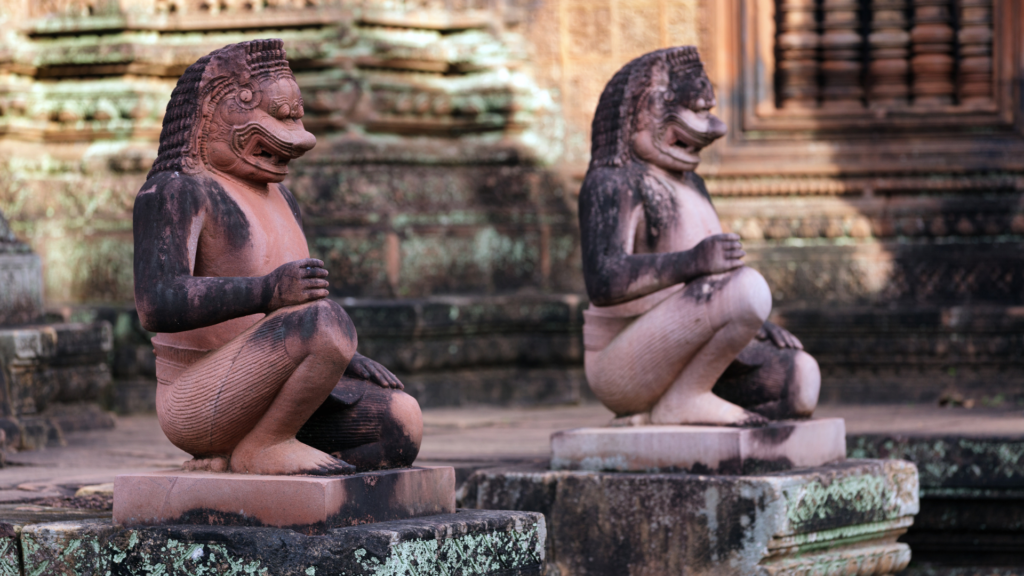
Banteay Srei, or the “Citadel of Women,” is a smaller but equally impressive temple about 25 kilometers from the main Angkor complex. Built in the 10th century, it is famous for its pink sandstone and the exquisite detail of its carvings. Intricate artwork adorns the Banteay Srei’s walls and is some of the finest in Khmer art. Scenes from Hindu mythology are brought to life with astonishing precision.
Koh Ker: The Lost Capital
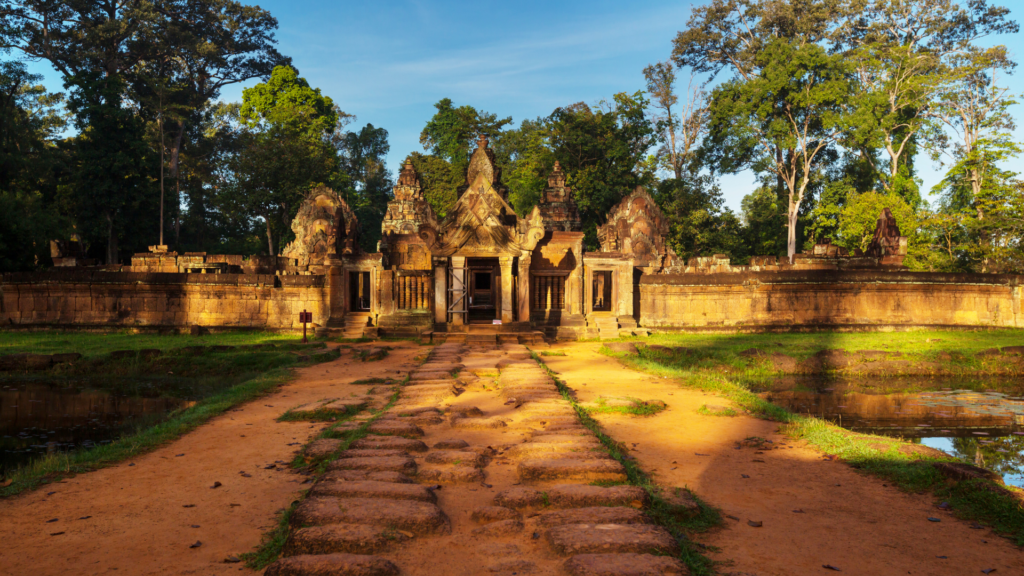
Koh Ker, the capital of the Khmer Empire for a brief period in the 10th century, is one of Cambodia’s less visited but historically significant sites. Located deep in the jungle, Koh Ker is a 30-meter-high pyramid that offers a panoramic view of the surrounding forest. The isolation of Koh Ker adds to its mystique, making it feel like a true lost city. Here, the sounds of nature are the only thing that breaks the silence of the ruins.
Beng Mealea: The Untamed Temple
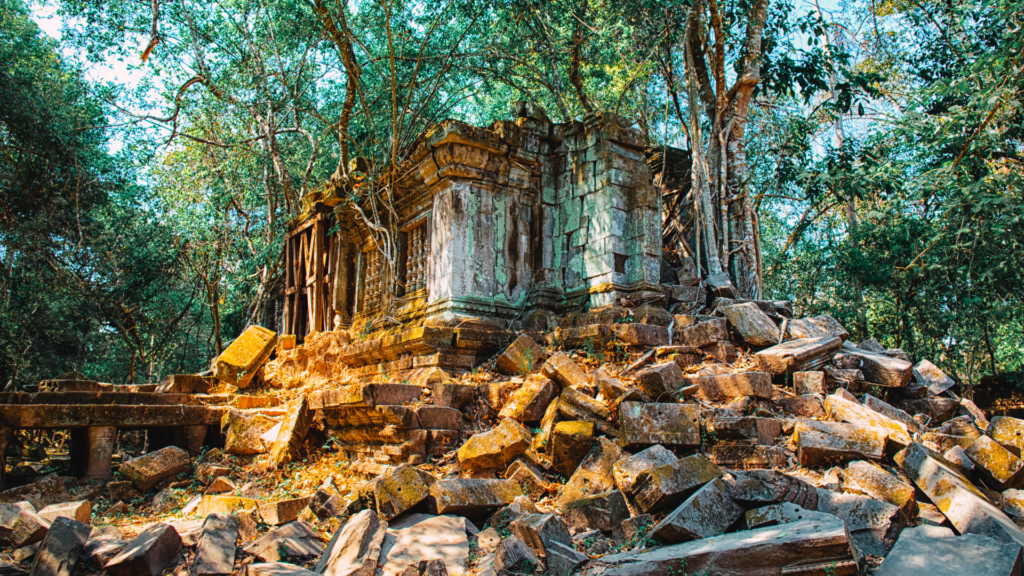
Often overshadowed by the more famous temples, Beng Mealea is a hidden gem that offers an adventure off the beaten path. Located about 40 kilometers east of Angkor Wat, this temple was left largely unrestored, allowing visitors to explore its collapsed galleries and overgrown corridors like the early explorers who first rediscovered it. Beng Mealea’s crumbling walls and jungle-covered passageways evoke a sense of exploration and discovery, making it a favorite for those looking to experience the wild side of Cambodia’s ruins.
Phnom Bakheng: Sunset Panorama
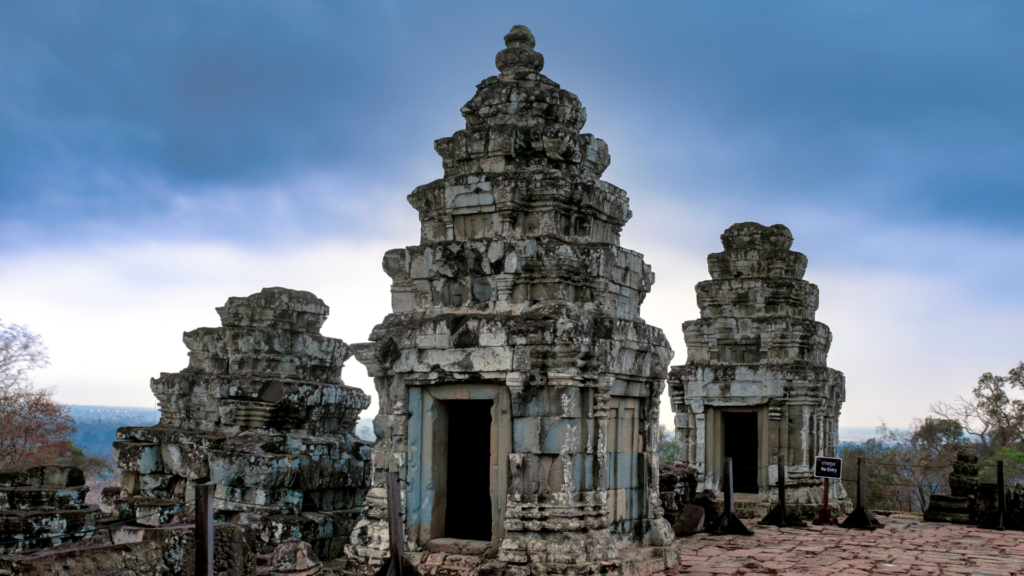
Perched on a hilltop, Phnom Bakheng offers one of the best views of the Angkor complex, especially at sunset. Built in the late 9th century, this temple-mountain was the state temple of the first Khmer capital at Angkor. The climb to the top is steep, but the reward is a stunning view of Angkor Wat. The silhouetted Angkor Wat against the setting sun is a sight that leaves a lasting impression.
Sambor Prei Kuk: Pre-Angkorian Splendor
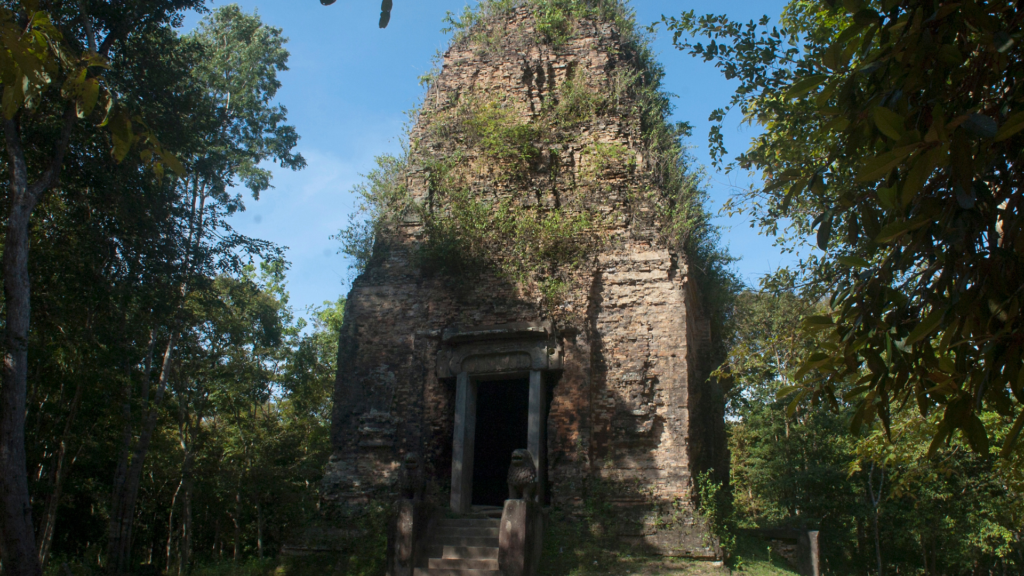
Long before Angkor, the Chenla Kingdom left its mark on Cambodia with the temples of Sambor Prei Kuk. Located in central Cambodia, this site features over a hundred small temples, many of which are octagonal, a unique feature in Khmer architecture. The temples, built between the 6th and 9th centuries, are nestled in a forest, which give the site a tranquil, almost otherworldly feel. Sambor Prei Kuk is a UNESCO World Heritage site and provides insight into the early development of Khmer temple architecture.
Preah Vihear: A Temple of Controversy
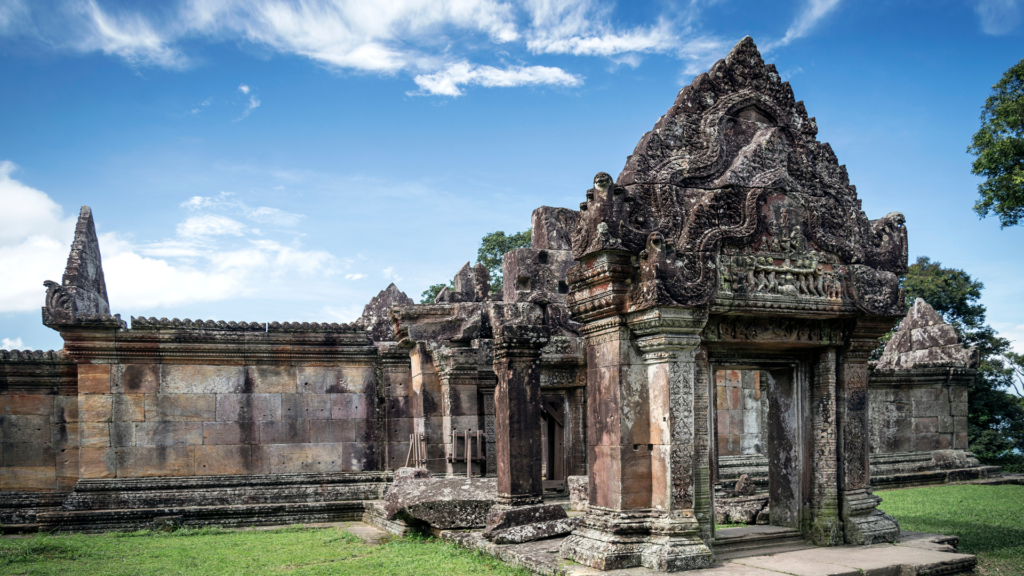
Preah Vihear is located on a cliff in the Dângrêk Mountains along the border with Thailand. Known for its stunning views and well-preserved architecture. Preah Vihear is known for the long-standing territorial dispute between Cambodia and Thailand. Built during the reigns of several kings, the temple’s construction spans over three centuries. Despite the political tensions, Preah Vihear remains a breathtaking site, offering visitors a chance to explore a temple that seems to float above the clouds.
A Journey Through Time
Exploring the ancient ruins of Cambodia is like stepping back in time to an era of empires and gods. Each site, from the world-renowned Angkor Wat to the lesser-known ruins scattered across the countryside, tells a story of a civilization that once dominated Southeast Asia. These ruins are not just relics of the past; they are living monuments that continue to inspire awe and reverence in all who visit.
More from Battleground History:


