
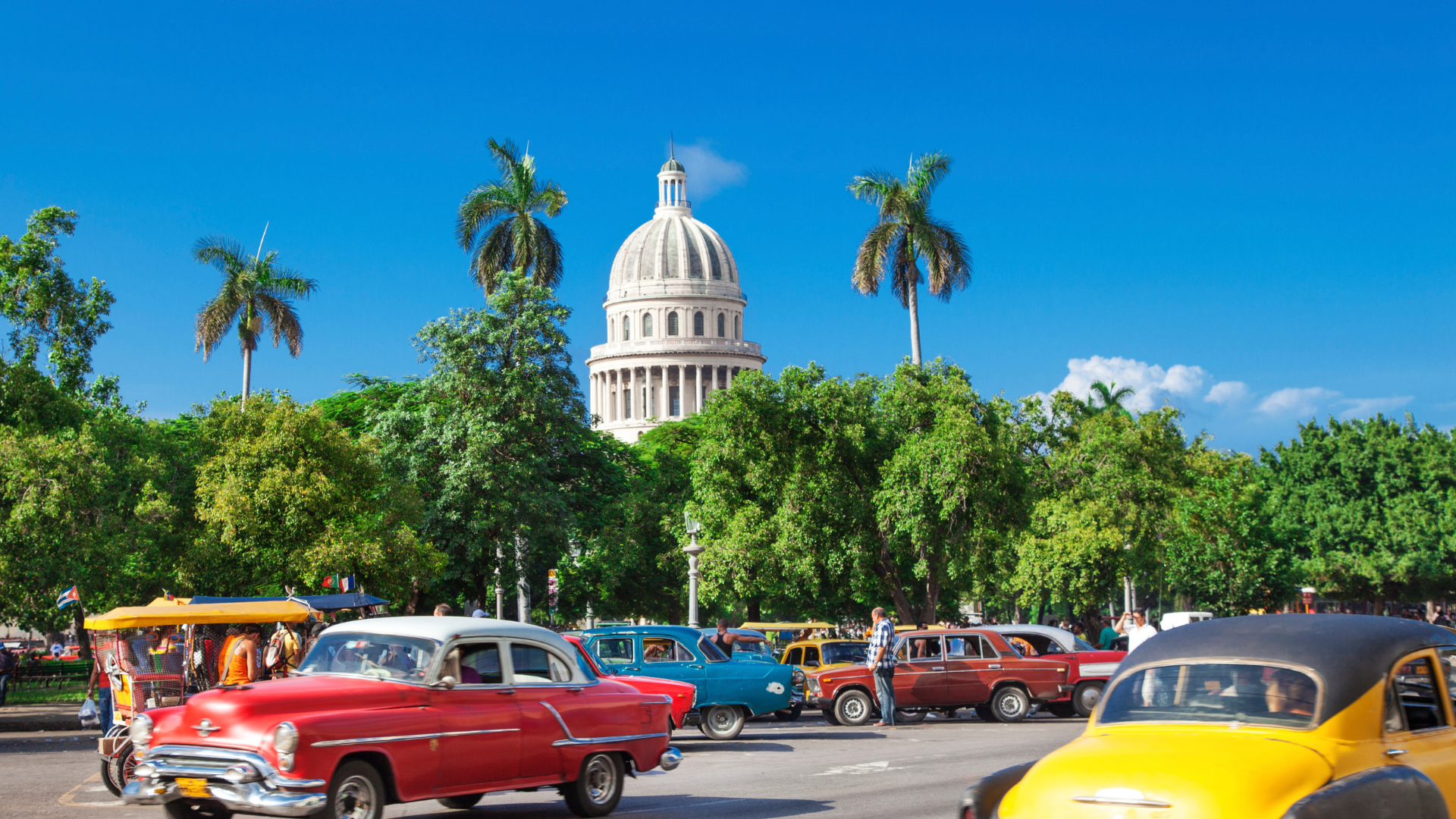
Hidden Havana: Traces of the Cuban Revolution
Walking through the winding streets of Old Havana, history seeps from every crumbling colonial facade and weather-worn doorway. But beyond the tourist-trodden paths and restored plazas lies a different story – the lingering fragments of one of the 20th century’s most significant revolutionary movements. As you venture deeper into the city’s heart, the Cuban Revolution imprints reveal themselves in unexpected ways, telling tales of triumph, struggle, and transformation.
Plaza de la Revolución: More Than Just a Photo Op

Most visitors snap quick photos of the iconic Che Guevara mural at Plaza de la Revolución before moving on, but this vast square holds deeper significance. The plaza’s modernist architecture, commissioned by pre-revolutionary president Fulgencio Batista but completed under Castro’s rule, represents the dramatic transition between Cuba’s past and present. The José Martí Memorial, standing at 109 meters tall, serves as both a testament to Cuban independence and a symbolic bridge between different eras of revolution.
Hidden Safe Houses: The Underground Network

Tucked away in the Vedado neighborhood, unassuming apartments once served as clandestine meeting spots for revolutionary leaders. While many of these locations remain private residences today, some have small, discrete plaques marking their historical significance. Local historians speak of the intricate network of safe houses that spread through Havana like a spider’s web, enabling revolutionaries to move undetected through the city. One particularly well-preserved example on Calle 23 still bears the secret compartments where weapons and documents were hidden.
The University Steps: Where Ideas Sparked Action
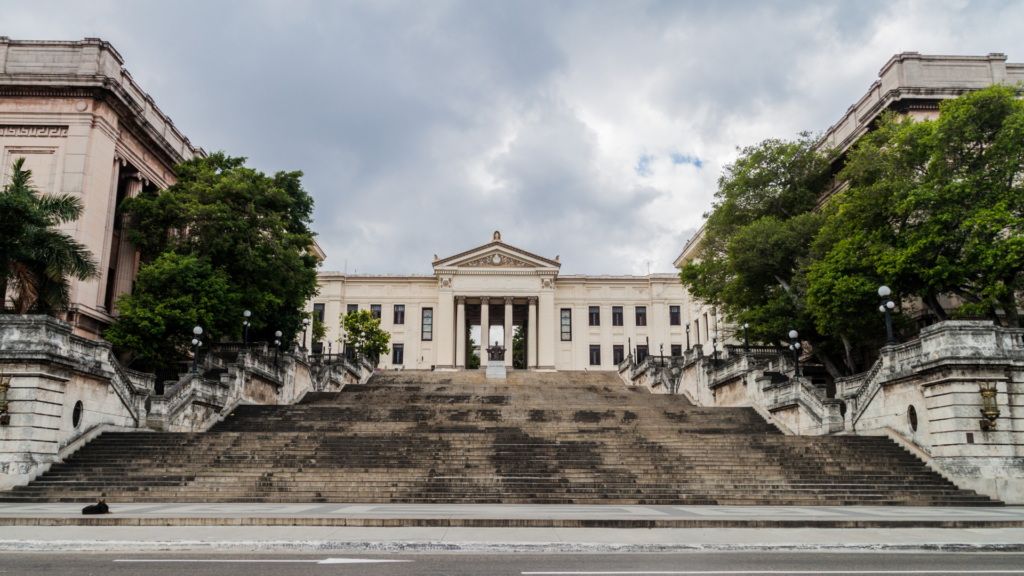
The University of Havana’s grand staircase may seem like just another architectural feature, but these steps witnessed countless student protests and revolutionary gatherings. It was here that young Fidel Castro developed his political consciousness as a law student, and where many of his early speeches ignited the imagination of Cuba’s youth. Today, the university remains a powerful symbol of intellectual resistance and revolutionary thought, with its halls still echoing the passionate debates of the past.
Free Download
The WWI Battlefield Visitor Checklist
Everything to see, pack, and plan before you visit the Western Front — straight to your inbox.
No spam — just battlefield travel guides. Unsubscribe any time.
Remnants of the Revolutionary Press
In a narrow alley off Calle Obispo, an old printing press sits preserved behind glass. This machine once produced “Revolución,” the underground newspaper that spread revolutionary ideas throughout Havana. The nearby buildings housed a network of writers, editors, and distributors who risked their lives to keep the presses running. The faded type and worn mechanics tell stories of midnight printings and hasty distributions before dawn.
Modern Echoes in Street Art and Culture
The revolution’s influence extends beyond historical sites into contemporary Cuban culture. Modern street artists incorporate revolutionary symbols and themes into their work, creating a dialogue between past and present. In the vibrant Callejón de Hamel, murals blend revolutionary iconography with Afro-Cuban religious symbols, demonstrating how the revolution’s legacy continues to evolve and shape Cuban identity.
The Living Museum of Revolutionary Cuisine
Even Havana’s restaurants tell revolutionary tales. La Bodeguita del Medio, famous for its mojitos, was once a gathering place for revolutionary sympathizers. The restaurant’s walls, covered in signatures and memories, include messages from those turbulent times. Several other establishments proudly display photos and memorabilia from the revolutionary period, their menus featuring dishes that tell stories of rationing, creativity, and resilience.
Preserving History in an Evolving City

As Havana cautiously embraces change and modernization, efforts to preserve these revolutionary traces take on new urgency. Local historians and community organizations work tirelessly to document and protect these sites, understanding that they hold valuable lessons for future generations. Each preserved location, whether grand or humble, adds another piece to the complex puzzle of Cuban history.
Beyond the Tourist Trail: The Cuban Revolution
For those willing to look deeper, Havana offers countless subtle reminders of its revolutionary past. From bullet holes still visible in old buildings to the stories told by elderly residents who lived through the revolution, the city serves as a living museum of this pivotal period. These traces of revolution remind us that history isn’t just found in museums and monuments, but in the very fabric of daily life.
The revolution’s physical remnants may be fading, but its impact on Havana’s soul remains indelible. As Cuba continues to evolve, these hidden traces serve as powerful reminders of the forces that shaped modern Cuban society. They invite us to look beyond the surface and discover the complex layers of history that make Havana not just a tourist destination, but a living testament to revolutionary spirit and social transformation.
More from Battleground History:


