Pearl Harbor: Beyond the USS Arizona – Hidden Military Sites
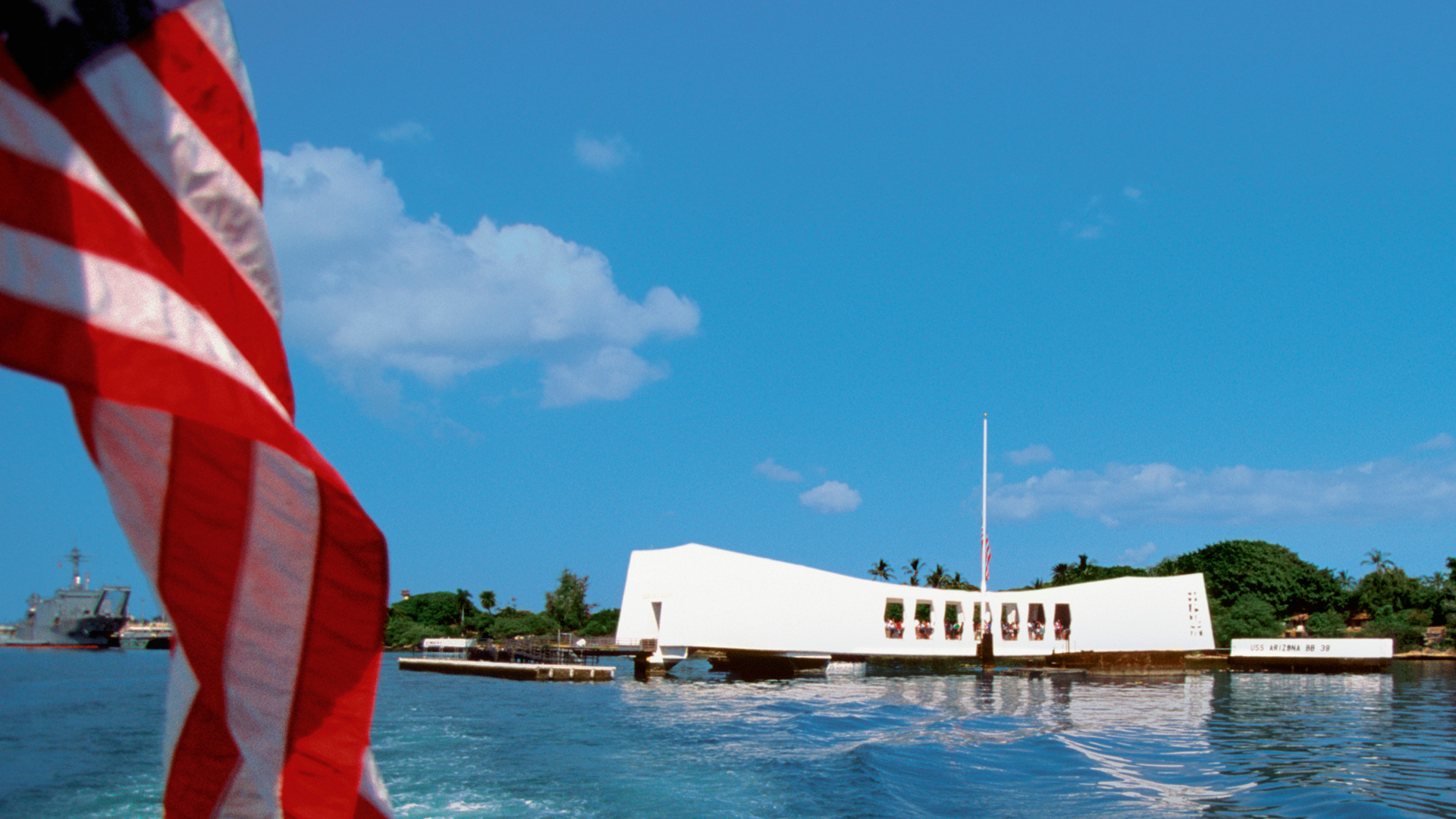
The attack on Pearl Harbor forever changed the course of World War II and American history. While millions visit the USS Arizona Memorial annually, numerous lesser-known military installations around Pearl Harbor tell equally compelling stories of December 7, 1941, and the subsequent war years.
Fort Shafter: America’s First Pacific Command Post

Established in 1907, Fort Shafter served as the Army’s first permanent installation in Hawaii. During the Pearl Harbor attack, it housed the critical Pacific command and communications center. Today, the original command bunker remains largely unchanged, featuring vintage communications equipment and battle maps from that fateful morning.
Battery Randolph: The Hidden Coastal Defense

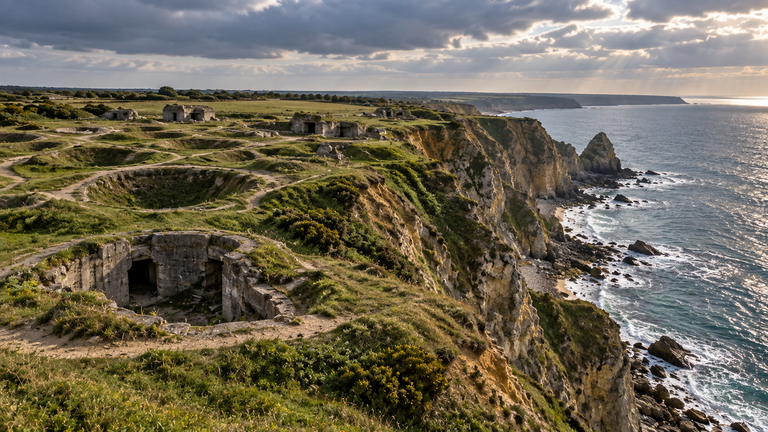
Beneath the modern streets of Waikiki lies Battery Randolph, part of Fort DeRussy. This massive concrete fortification, built in 1911, housed massive 14-inch guns designed to defend against naval attacks. The reinforced concrete walls, measuring up to 20 feet thick, now protect the U.S. Army Museum but still showcase original ammunition storage rooms and gun emplacements.
The Forgotten Airfields: Bellows and Haleiwa

While Wheeler and Hickam Fields bore the brunt of the Japanese attack, smaller airfields like Bellows and Haleiwa played crucial roles. From Haleiwa, P-40 pilots George Welch and Kenneth Taylor managed to get airborne during the attack, shooting down several Japanese aircraft. Bellows Field, though heavily damaged, became a vital training ground for Pacific operations.
Free Download
The WWI Battlefield Visitor Checklist
Everything to see, pack, and plan before you visit the Western Front — straight to your inbox.
No spam — just battlefield travel guides. Unsubscribe any time.
Secret Underground Tunnels: The Red Hill Storage Facility

Hidden within the Ko’olau Mountains lies the Red Hill Underground Fuel Storage Facility. This engineering marvel, built between 1940 and 1943, consists of 20 massive fuel tanks connected by miles of tunnels. The facility’s construction represented an unprecedented feat of engineering, with each tank measuring 100 feet in diameter and capable of holding 12.5 million gallons of fuel.
Kaena Point: The Westernmost Sentinel
At Oahu’s westernmost tip, Kaena Point hosted a top-secret radar station during the war. Though largely demolished, concrete bunkers and equipment foundations remain, offering glimpses into the early days of radar technology. The site’s isolation made it ideal for monitoring approaching aircraft and ships, though sadly, its radar was not operational on December 7th.
These lesser-known sites, while overshadowed by the USS Arizona Memorial, provide crucial context to Pearl Harbor’s complete story. They stand as silent witnesses to American military innovation, sacrifice, and resilience during one of history’s most pivotal moments.
More from Battleground History: