Icelandic Saga Sites: Where Viking History Meets Literature
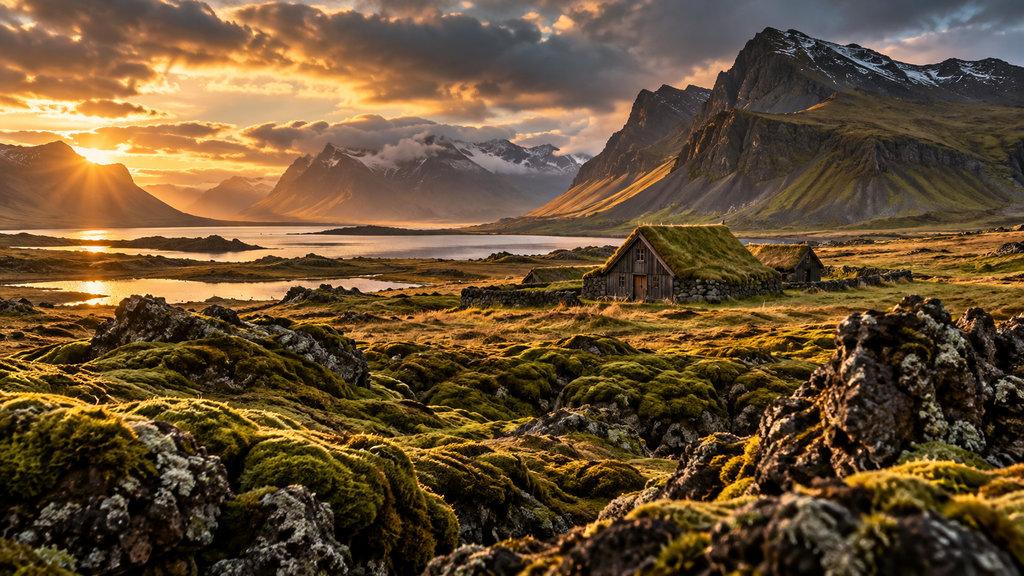
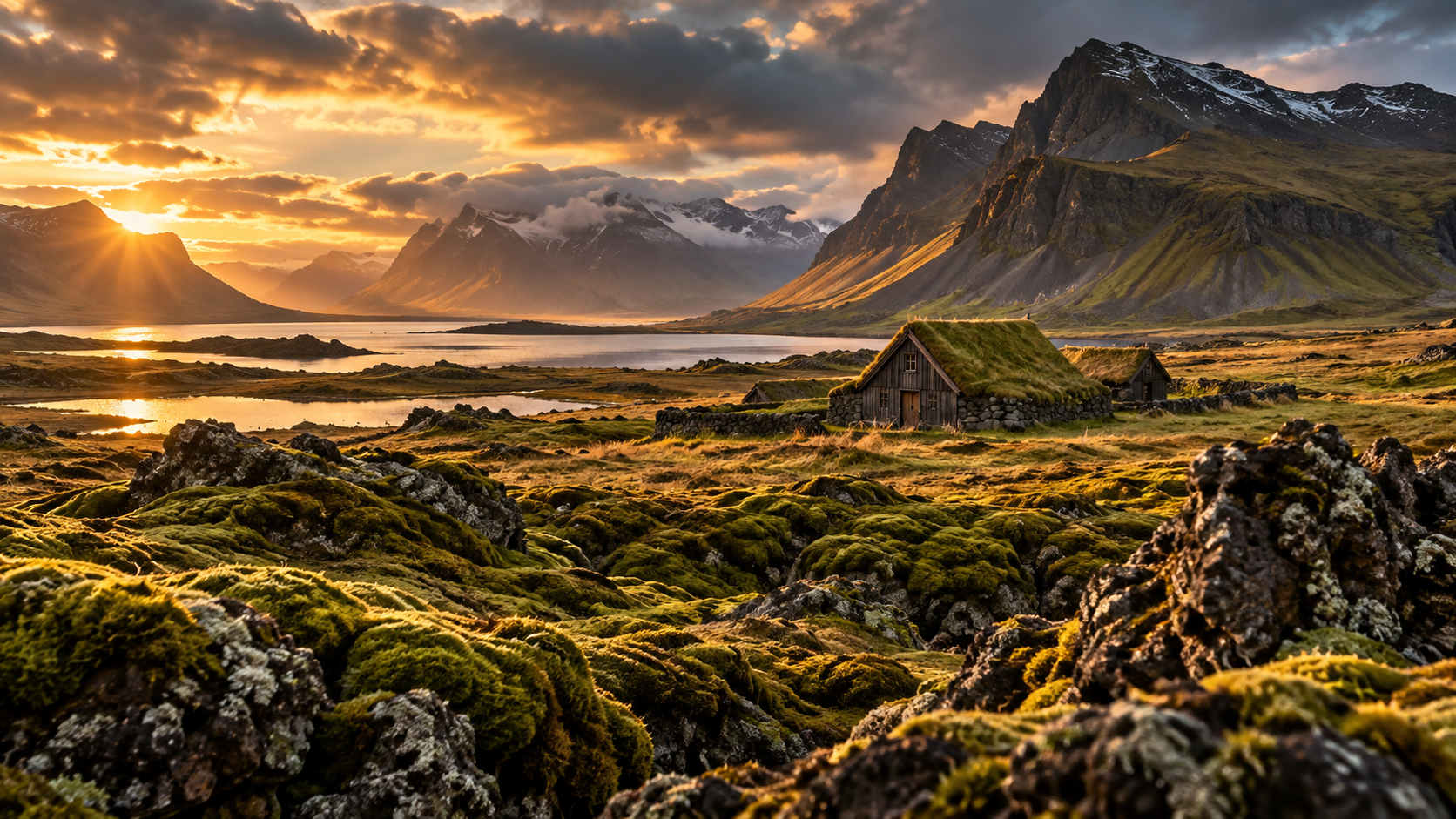
In Iceland, literature isn’t confined to pages—it’s etched into the very landscape. The boundary between story and stone blurs as visitors encounter the physical settings of the medieval Icelandic sagas. These remarkable literary works, composed between the twelfth and fourteenth centuries, chronicle the lives, feuds, and adventures of Iceland’s early settlers. Today, the saga sites serve as bridges between past and present, offering tangible connections to these ancient tales.
Understanding the Sagas
The Icelandic sagas represent one of medieval Europe’s most remarkable literary achievements. Written in Old Norse, these prose narratives capture the drama of Iceland’s Settlement Age and the following centuries. The sagas fall into distinct categories. The family sagas, which tell of early settlers and their descendants. The kings’ sagas, chronicling Scandinavian royalty. And contemporary sagas, documenting events closer to their writing. What makes these works extraordinary is their blend of historical fact with literary artistry. This creates a unique window into Viking Age Iceland.
Major Saga Sites and Their Stories
The Snæfellsnes Peninsula
The mystical Snæfellsnes Peninsula embodies the spirit of the Eyrbyggja Saga, one of Iceland’s most atmospheric tales. Here, the haunting Berserkjahraun lava field tells the story of two berserkers who met their fate while building a road through the rough terrain. The sacred Helgafell mountain rises from the landscape, its summit promising three wishes to those who climb it without looking back—a tradition that persists from saga times to the present day.
The Borgarfjörður Region
In Borgarfjörður, the legacy of Iceland’s most famous poet-warrior, Egil Skallagrímsson, lives on. The farm at Borg á Mýrum, where Egil was raised, still stands as a testament to this complex character’s life. Nearby, Reykholt preserves the memory of Snorri Sturluson, the medieval chieftain and scholar who penned many of the texts that preserved Norse mythology for future generations. The landscape here remains remarkably unchanged since the saga age, allowing visitors to step directly into the world of these historical figures.
Free Download
The WWI Battlefield Visitor Checklist
Everything to see, pack, and plan before you visit the Western Front — straight to your inbox.
No spam — just battlefield travel guides. Unsubscribe any time.
Þingvellir (Thingvellir)
The ancient parliament site of Þingvellir represents the heart of Iceland’s saga heritage. This UNESCO World Heritage site, nestled between tectonic plates, hosted the annual assembly where many of the sagas’ most dramatic scenes unfolded. The Law Rock, where laws were recited from memory, still stands, and the drowning pool, where women convicted of serious crimes met their fate, adds a dark reminder of medieval justice. The site features prominently in Njáls Saga, Iceland’s longest and most beloved family saga.
The Hvolsvöllur Area
The rolling farmland around Hvolsvöllur holds the tragic story of Njáls Saga. The site of Bergþórshvoll farm, where the saga’s climactic burning scene took place, draws visitors seeking to understand this powerful tale of honor, vengeance, and fate. The local Saga Centre brings these stories to life through exhibitions and interactive displays, helping visitors understand the complex web of relationships and feuds that drove the narrative.
Modern Preservation and Tourism
Iceland’s commitment to preserving its saga heritage manifests in numerous museums and cultural centers. The Settlement Exhibition in Reykjavík and the Saga Museum offer immersive experiences into the Viking Age, while local heritage centers throughout the country maintain connections to their regional saga sites. Recent archaeological discoveries continue to verify locations mentioned in the sagas, lending credibility to these ancient texts while providing new insights into medieval life.
Literary Landscape Today
Modern Iceland’s relationship with the sagas goes beyond mere preservation. These stories remain vital parts of the national identity, with locations from the texts seamlessly integrated into daily life. Street names, businesses, and cultural events reference saga characters and events. Despite the challenges of increasing tourism, local communities work tirelessly to protect these literary landmarks while making them accessible to visitors.
Planning Your Visit
Experiencing Iceland’s saga sites requires thoughtful planning. Summer offers endless daylight and easier access to remote locations, while winter provides a stark beauty that captures the harsh reality of saga-age life. Following established saga trails allows visitors to explore multiple connected sites, with local guides offering deep insights into the stories and landscapes. Photography enthusiasts will find endless inspiration in the interplay of natural light with historical settings.
Conclusion
Iceland’s saga sites offer more than just a glimpse into the past—they provide a living connection to one of world literature’s great traditions. As these ancient stories continue to resonate with modern visitors, the importance of preserving these locations becomes ever more apparent. By walking in the footsteps of saga characters, we gain a deeper understanding of both the literature and the landscape that shaped it.
Additional Resources
For a deeper exploration of Iceland’s saga sites, numerous modern translations of the sagas are available, accompanied by detailed maps and guides. Local tourism offices throughout the country provide specialized saga-related tours and information. Academic sources offer scholarly perspectives on the historical accuracy of the sagas, while museums and exhibitions continue to develop new ways of presenting this rich heritage to visitors.
More from Battleground History: