
Following the Silk Road: Xi’an’s Terracotta Army and Muslim Quarter
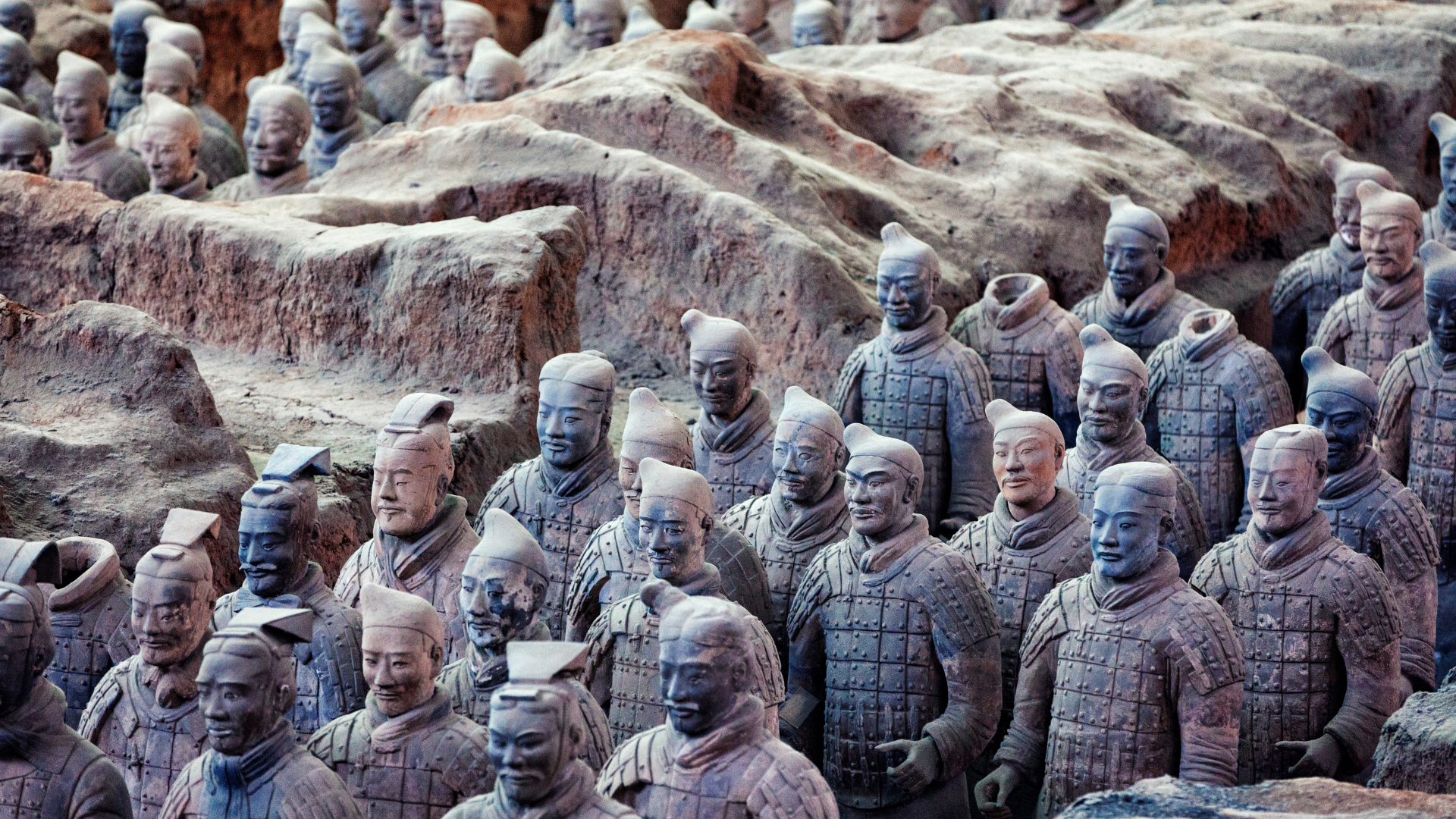
Where ancient China meets the Islamic world, Xi’an stands as a living testament to the historic Silk Road. As the eastern terminus of this legendary trade route, this city in Shaanxi Province offers visitors two unmissable attractions: the awe-inspiring Terracotta Army and the vibrant Muslim Quarter. Here’s your comprehensive guide to exploring these remarkable sites.
The Terracotta Army: An Emperor’s Eternal Guard
Getting There
The Terracotta Army Museum lies about an hour east of Xi’an’s city center. Take bus 914 or 915 from the Xi’an Railway Station (¥7), or book a private driver through your hotel (approximately ¥200-300 round trip). Arrive early to beat both the crowds and the afternoon heat.
What to Expect
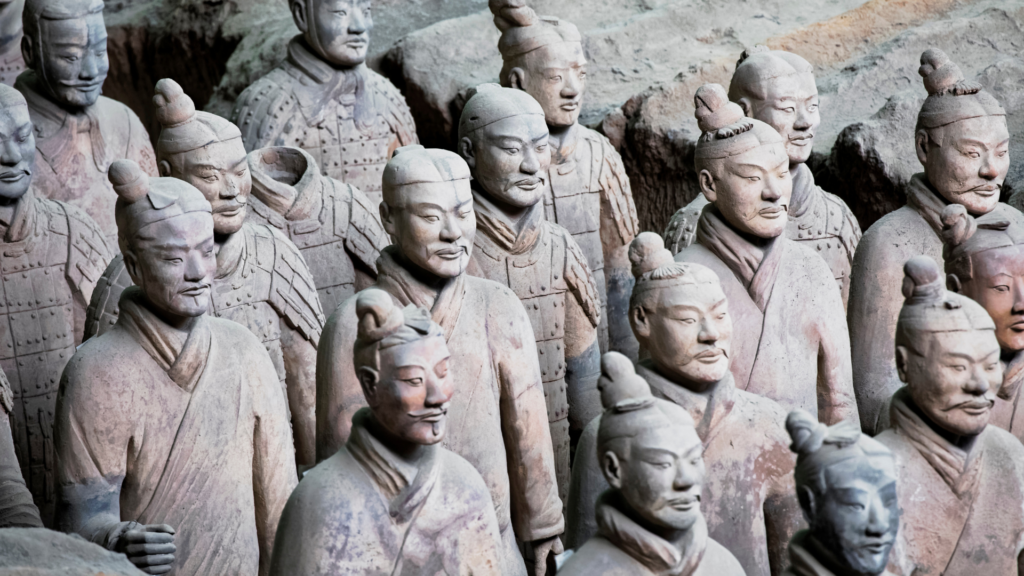
Emperor Qin Shi Huang’s terracotta warriors have stood guard for over 2,000 years. The site consists of three main pits:
Pit 1 is the largest and most impressive, housing roughly 6,000 warriors. The sheer scale will take your breath away – row upon row of life-sized soldiers, each with unique facial features, stretching into the distance.
Free Download
The WWI Battlefield Visitor Checklist
Everything to see, pack, and plan before you visit the Western Front — straight to your inbox.
No spam — just battlefield travel guides. Unsubscribe any time.
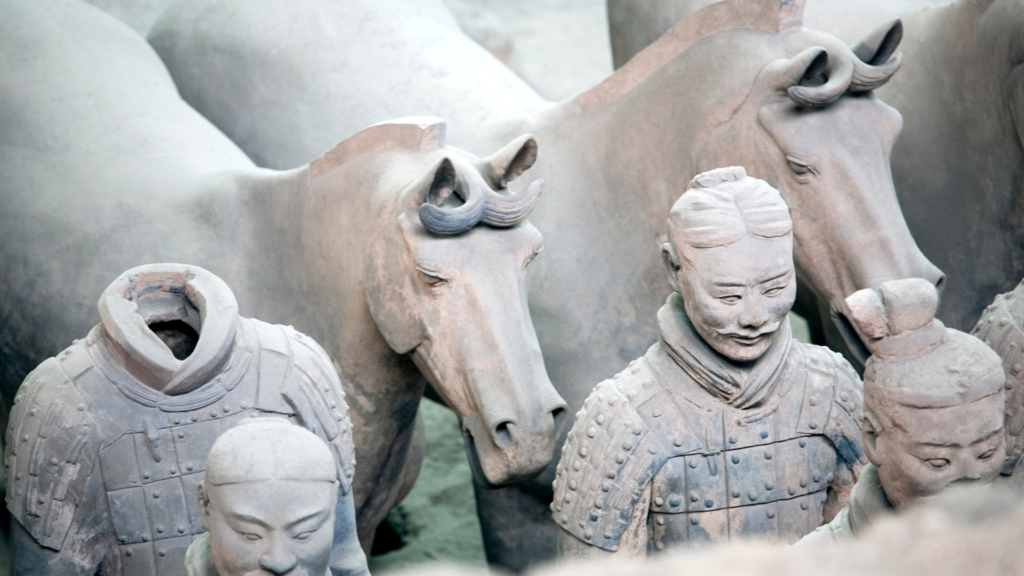
Pit 2 showcases different military units, including cavalry and archers. Look for the famous kneeling archer, one of the best-preserved figures.
Pit 3 is the command center, containing high-ranking officers and chariots. Though smaller, it offers intimate glimpses of the army’s leadership.
Pro Tips
- Allow 2-3 hours for your visit
- Hire an English-speaking guide (¥200-300) – their insights bring the warriors to life
- Visit the on-site museum to see the bronze chariots and learn about the site’s discovery
- Photography is allowed, but no flash
The Muslim Quarter: A Feast for the Senses
Historical Background
Xi’an’s Muslim Quarter dates back to the Tang Dynasty when Arab and Persian merchants settled along the Silk Road. Today, their descendants, the Hui people, maintain their distinct culture, cuisine, and traditions in this bustling neighborhood.
What to Experience
Food Adventures
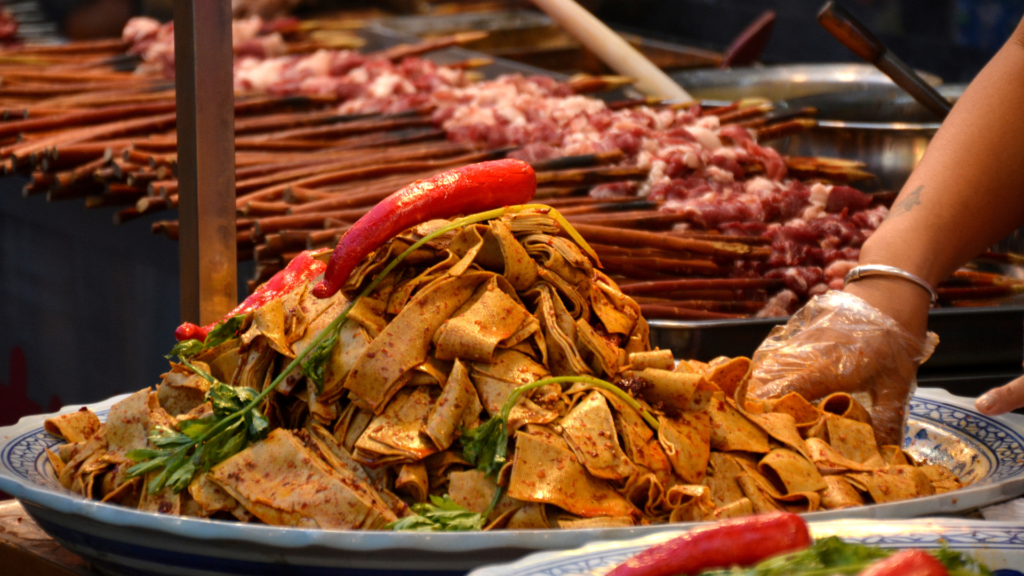
The Muslim Quarter is paradise for food lovers. Must-try dishes include:
- Yang Rou Pao Mo: Shredded flatbread in mutton soup
- Rou Jia Mo: The original Chinese hamburger
- Persimmon cakes
- Hand-pulled Biang Biang noodles
- Lamb skewers (Yang Rou Chuan)
Cultural Highlights
- Visit the Great Mosque, a unique blend of Chinese and Islamic architecture
- Shop for traditional crafts, spices, and souvenirs
- Watch artisans make traditional candy and dried fruit
- Visit in the evening when red lanterns illuminate the streets
Navigation Tips
- Enter from Beiyuanmen Street, the main thoroughfare
- Allow yourself to get lost in the side alleys – they often hold the best discoveries
- Keep small bills handy for street food
- Visit between 3-8 PM for the best atmosphere
Practical Information
Best Time to Visit
Spring (March-May) and autumn (September-November) offer the most comfortable weather. Avoid Chinese national holidays when sites become extremely crowded.
Where to Stay
Book accommodation within the city walls for easy access to both attractions. The Bell Tower area offers numerous hotels at all price points and convenient transportation options.
Cultural Etiquette
- Dress modestly when visiting the Muslim Quarter and Great Mosque
- Always ask before photographing people
- Learn basic Mandarin phrases – locals appreciate the effort
Planning Your Visit
Sample Itinerary
Morning: Visit the Terracotta Army
Afternoon: Return to city, rest
Evening: Explore the Muslim Quarter
Budget Considerations
- Terracotta Army entrance: ¥150
- Muslim Quarter: Free to explore
- Food in Muslim Quarter: ¥10-50 per dish
- Transportation: ¥20-300 depending on method
Xi’an offers a unique glimpse into China’s diverse cultural heritage. From the solemnity of the Terracotta Army to the lively streets of the Muslim Quarter, these two attractions perfectly encapsulate the city’s role as a crossroads of civilizations. Take your time, engage with local culture, and savor every moment of this remarkable journey through history.
More from Battleground History:


