The Role of Women in Historical Battles: Overlooked Contributions
Throughout history, the role of women in historical battles has been overlooked and the narrative of warfare has often focused on male soldiers and commanders. However, women have played crucial, though frequently overlooked, roles in many significant battles. From ancient conflicts to modern warfare, women have contributed as warriors, strategists, medical personnel, and in various support roles. This blog post aims to explore and highlight these often-neglected contributions of women during pivotal moments in military history.
Ancient Battles
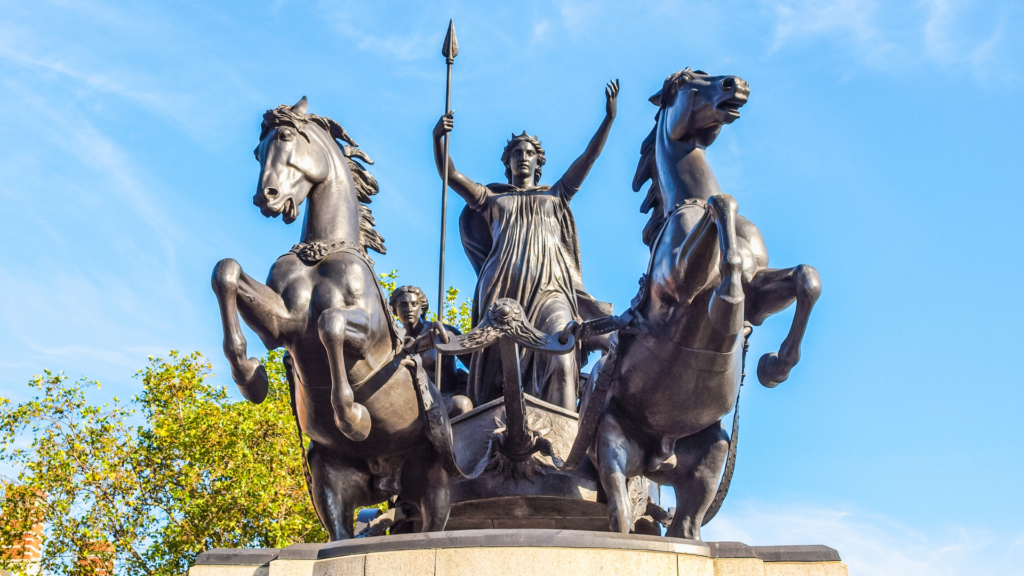
In ancient times, women occasionally took on prominent leadership roles in battle. One notable example is Boudicca, the Celtic queen who led an uprising against Roman rule in Britain around 60-61 CE. Her fierce resistance and tactical prowess posed a significant threat to Roman control. Similarly, in Vietnam, the Trung Sisters led a rebellion against Chinese domination in the 1st century CE, demonstrating exceptional military leadership and inspiring future generations of Vietnamese women.
Medieval Period
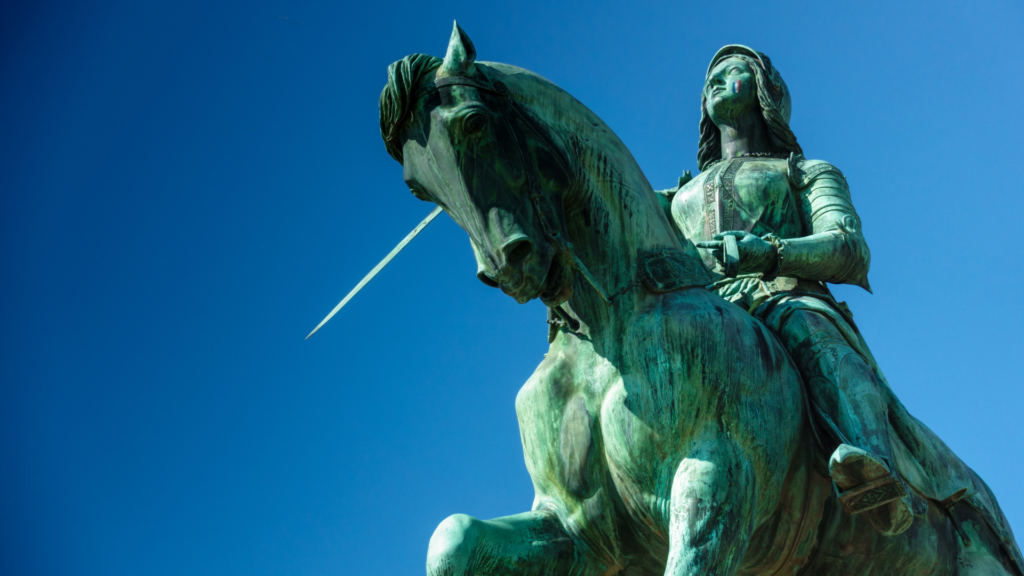
The medieval period saw several remarkable women warriors, with Joan of Arc being perhaps the most famous. Her strategic insights and leadership during the Hundred Years’ War were instrumental in turning the tide for France. In the Mongol Empire, Khutulun, the great-great-granddaughter of Genghis Khan, was renowned for her wrestling skills and fierce combat abilities, often accompanying her father on military campaigns.
Early Modern Era

During the American Revolutionary War, women like Molly Pitcher and Deborah Samson made significant contributions. Molly Pitcher, whose real name is believed to be Mary Ludwig Hays, famously took over her husband’s position at a cannon after he was wounded. Deborah Samson disguised herself as a man to fight in the Continental Army, demonstrating exceptional bravery in several battles.
Free Download
The WWI Battlefield Visitor Checklist
Everything to see, pack, and plan before you visit the Western Front — straight to your inbox.
No spam — just battlefield travel guides. Unsubscribe any time.
The Napoleonic Wars also saw notable female participants. Nadezhda Durova served in the Russian cavalry, disguised as a man, and later became a decorated officer. In Poland, Joanna Żubr fought in numerous battles and became the first woman to receive the Virtuti Militari, Poland’s highest military decoration.
World War I
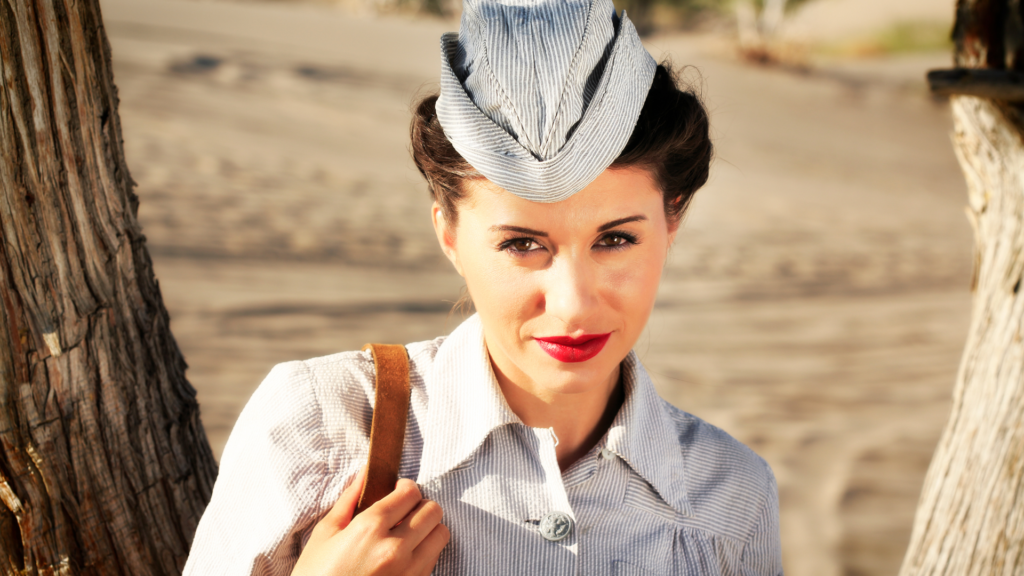
World War I marked a significant shift in women’s involvement in warfare. While many served in traditional support roles such as nurses and ambulance drivers, making crucial contributions to the war effort, some took on more direct combat roles. The Russian Women’s Battalion of Death, for instance, was a group of all-female combat units that fought on the Eastern Front, challenging traditional gender roles in military service.
World War II
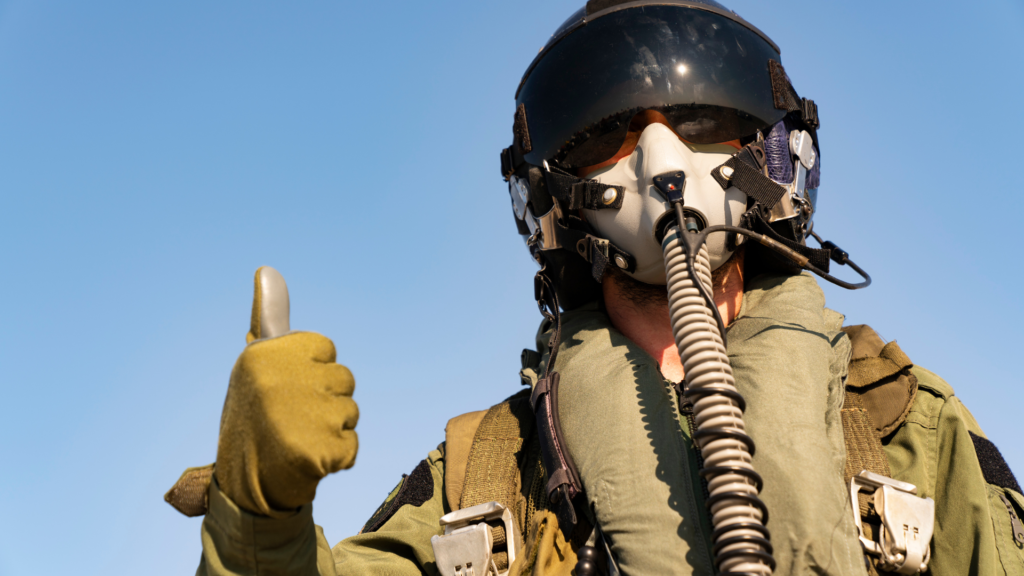
During World War II, women’s participation in combat and military operations expanded dramatically. In the Soviet Union, women served as snipers and pilots, with many becoming highly decorated veterans. Lyudmila Pavlichenko, for example, became one of the most successful snipers in history. In occupied Europe, women played vital roles in resistance movements, engaging in sabotage, intelligence gathering, and combat operations. At Bletchley Park in England, women like Joan Clarke made groundbreaking contributions to codebreaking efforts, significantly impacting the course of the war.
Modern Warfare
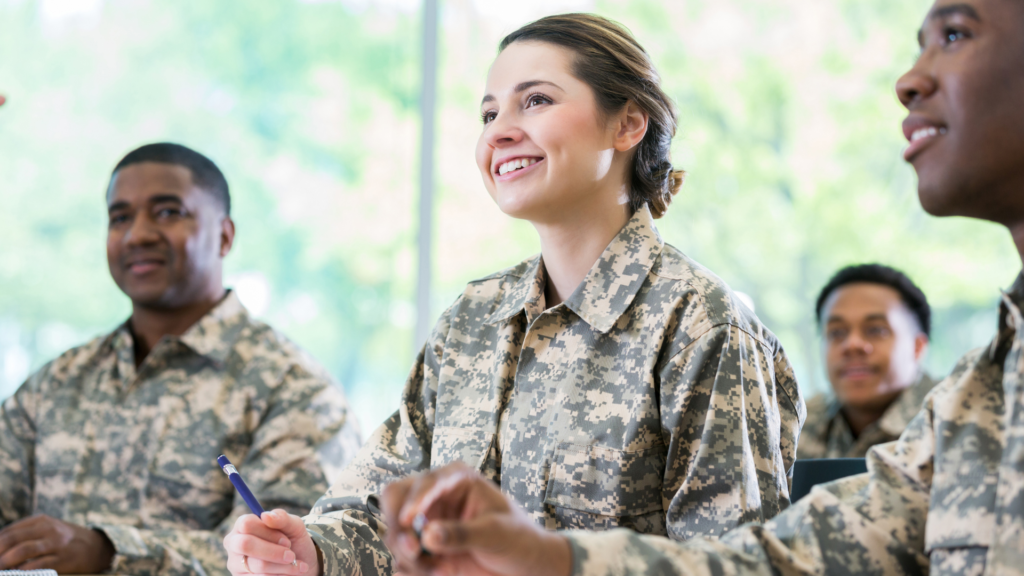
In recent decades, women’s roles in military operations have continued to evolve. Many countries now allow women to serve in combat roles, recognizing their capabilities and the value of diverse perspectives in military strategy. The Kurdish female Peshmerga fighters, who have been instrumental in combating ISIS, exemplify the growing acceptance and effectiveness of women in front-line combat roles.
Analysis of Women’s Contributions
Women’s contributions to historical battles have been diverse and significant. In combat roles, they have demonstrated courage and skill equal to their male counterparts. In intelligence and strategy, women have provided unique insights that have often proved decisive. Their roles in medical support have saved countless lives, while their work in logistics and supplies has been crucial to sustaining military operations.
Challenges Faced
Despite their contributions, women in historical battles have faced numerous challenges. Social and cultural barriers often prevented them from receiving recognition or advancing in military hierarchies. Many had to disguise themselves as men to participate in combat. Physical limitations were often cited as reasons to exclude women, though many women proved these assumptions wrong through their actions.
Conclusion
The role of women in historical battles is a rich and often untold story. From ancient rebellions to modern conflicts, women have consistently demonstrated their capabilities in warfare, whether as leaders, fighters, strategists, or in crucial support roles. Recognizing and studying these contributions is essential not only for a more accurate understanding of military history but also for appreciating the diverse ways in which societies have mobilized to face existential threats. As we continue to uncover and acknowledge these stories, we gain a more comprehensive and nuanced view of history, inspiring future generations and challenging long-held assumptions about gender roles in times of conflict.
More from Battleground History: