Ghost Towns of the American Midwest
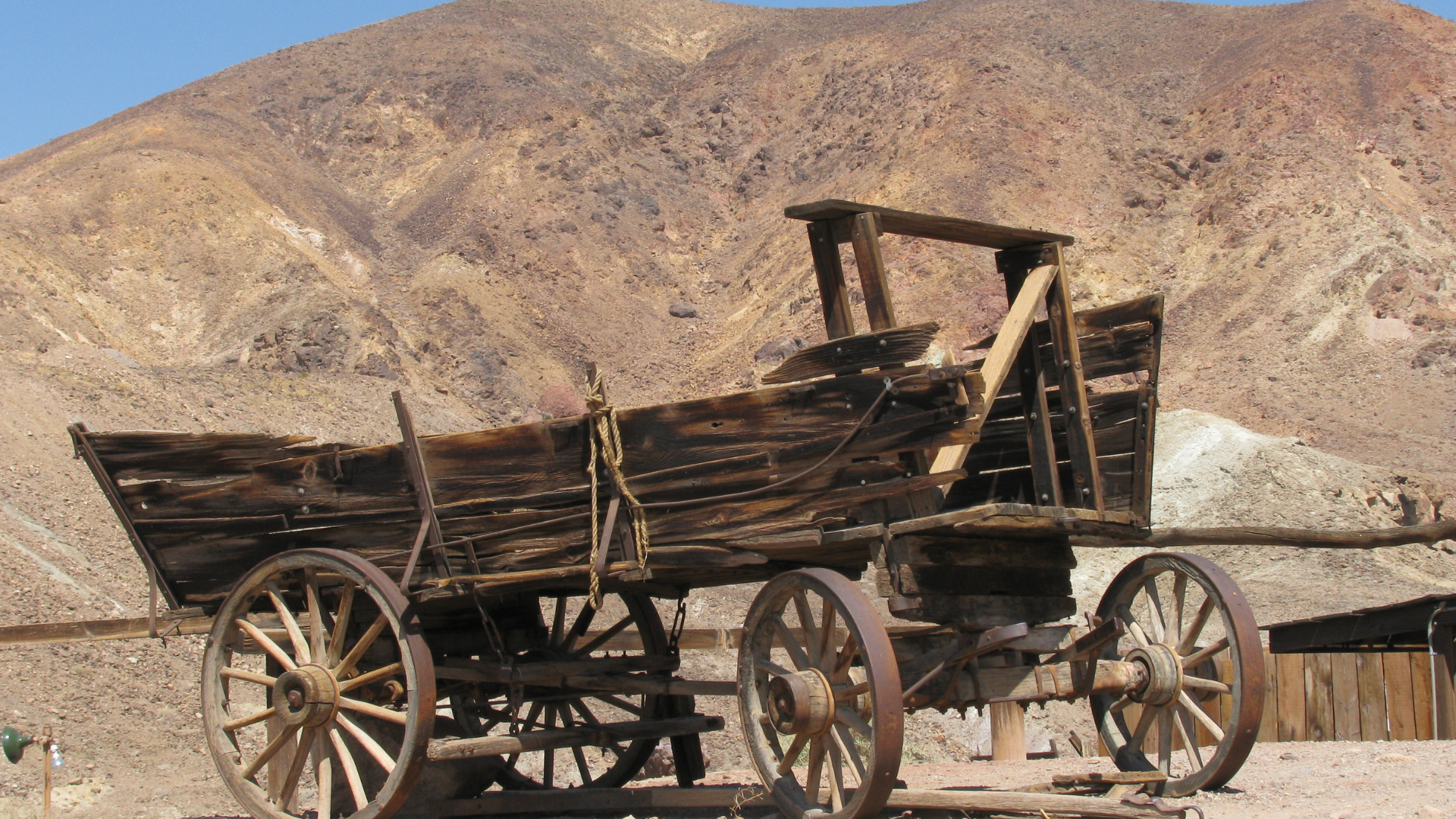
The American Midwest, with its rolling plains and vast skies, holds secrets of another time. Scattered across the landscape are the skeletal remains of once-thriving communities, abandoned when dreams of wealth evaporated like morning dew. These ghost towns stand as monuments to human ambition and the relentless pursuit of fortune. Though many associate gold rushes with the American West, the Midwest experienced its own mineral booms that left behind fascinating ghost towns where, if you listen carefully, you might still hear whispers of gold fever in the wind.
The Birth of Boom Towns: When Gold Whispered Promises
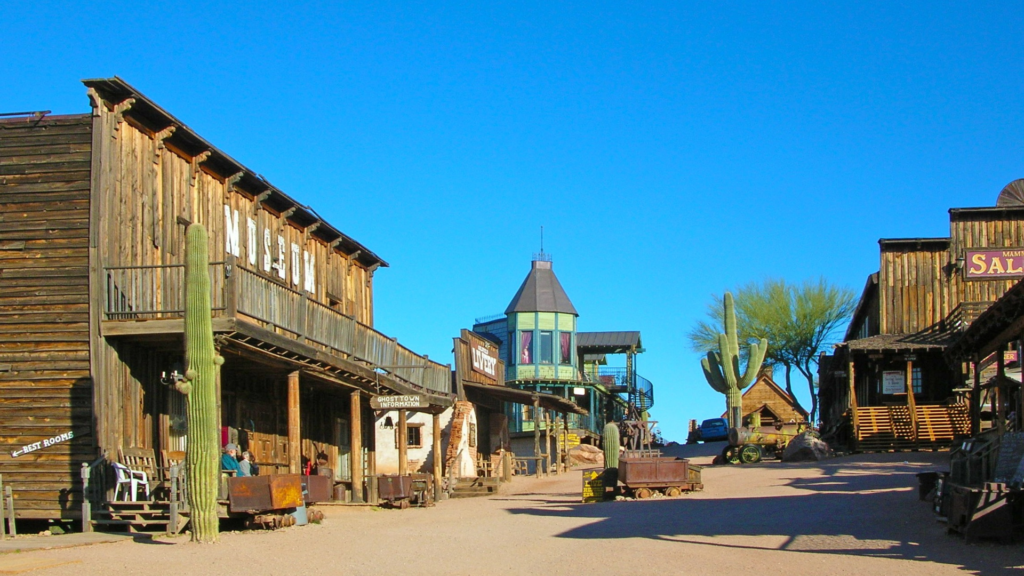
In the mid-to-late 19th century, rumors of gold and other precious minerals sent waves of excitement through the American heartland. Prospectors, dreamers, and fortune-seekers flooded into newly established mining camps that sprouted overnight like wildflowers after rain. These settlements weren’t built to last—they were constructed hastily, with function prioritizing form, as everyone was too busy looking down (into the mines) to think much about building for posterity. Towns like Picher, Oklahoma and Empire, Michigan transformed from empty plots of land to bustling communities within months, complete with saloons, general stores, and makeshift housing.
Picher, Oklahoma: The Lead and Zinc Capital That Poisoned Itself
Perhaps no Midwestern ghost town tells a more cautionary tale than Picher, Oklahoma. Once proudly known as the world’s largest lead and zinc mining field, Picher’s population swelled to over 14,000 residents at its peak in the 1920s. The town produced metal used in both World Wars, fueling patriotism alongside prosperity. However, the mining practices that brought wealth also sowed the seeds of destruction. Massive piles of chat (mining waste) containing toxic levels of lead towered over the town like miniature mountains. Eventually, the Environmental Protection Agency declared Picher one of the most toxic places in America. By 2009, the town was officially dissolved, with only a handful of stubborn residents remaining amid crumbling buildings and poisoned earth.
Gilman, Colorado: The Town That Straddles the Line
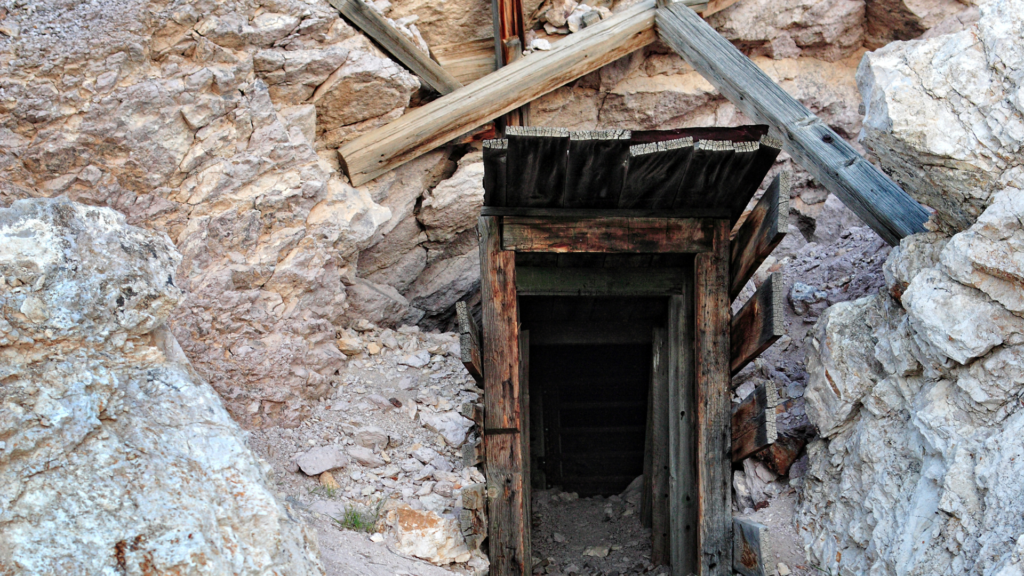
Sitting on the border between the Midwest and the mountain West, Gilman represents the transitional nature of America’s mining heritage. Founded in the 1880s during the Colorado silver boom, Gilman later became a major zinc producer until 1984, when declining metal prices and toxic contamination forced its abandonment. Today, its colorful buildings cling precariously to the mountainside, slowly surrendering to nature while still displaying the vibrant palette of their mining heyday. Though access is strictly prohibited due to contamination, photographers and urban explorers risk fines to document this eerily beautiful slice of American mining history.
Free Download
The WWI Battlefield Visitor Checklist
Everything to see, pack, and plan before you visit the Western Front — straight to your inbox.
No spam — just battlefield travel guides. Unsubscribe any time.
Thurmond, West Virginia: Where Coal Was King
On the eastern edge of what some consider the Midwest, Thurmond tells the story of coal rather than gold fever. This remarkably preserved ghost town once hummed with the constant activity of coal shipments along the Chesapeake & Ohio Railway. In 1910, Thurmond’s banks were among the richest in the state, processing an astounding $7 million in deposits (equivalent to over $200 million today). As diesel locomotives replaced coal-powered steam engines and nearby coal seams became depleted, Thurmond’s fortunes reversed. Today, the town is largely owned by the National Park Service, with its historic district offering visitors a perfectly preserved glimpse into the coal boom era.
Modern-Day Treasure Hunters: The New Gold Fever
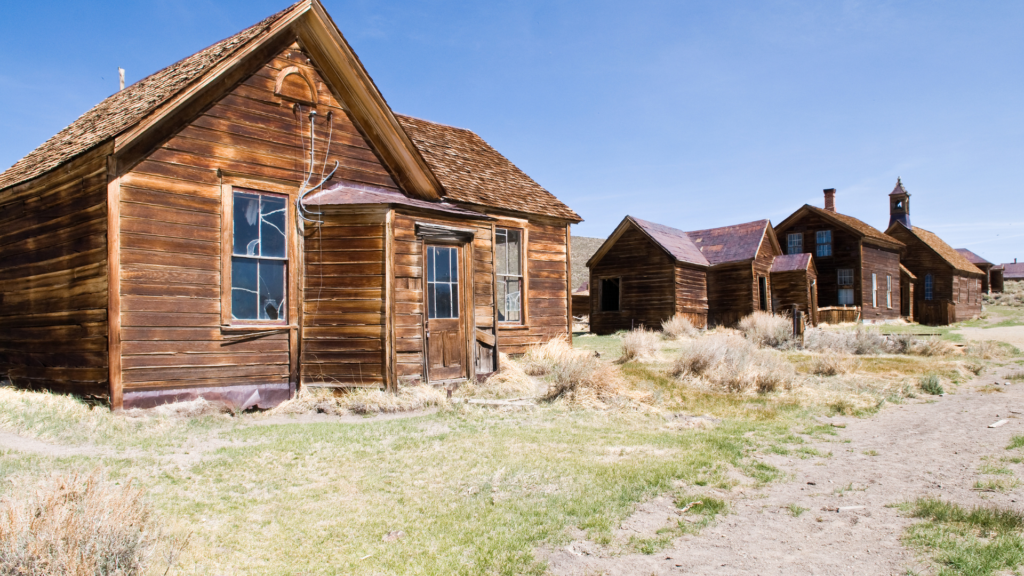
Ironically, these abandoned places have become treasures themselves. History enthusiasts, photographers, and paranormal investigators now form a new wave of visitors seeking different kinds of riches: the perfect photograph, historical artifacts, or evidence of supernatural activity. Some former residents return annually for homecoming events, keeping community memories alive even as buildings continue to deteriorate. Local tourism boards have begun promoting ghost town trails, recognizing that these sites of past failure now represent economic opportunities through heritage tourism.
Preservation or Reclamation: The Future of American Midwest Ghost Towns
The fate of Midwestern ghost towns hangs in the balance between preservation and reclamation. Some communities advocate for maintaining these sites as historical monuments and tourist attractions. Others push for environmental remediation that would erase many physical remnants while healing the land. In places like Keweenaw Peninsula, Michigan, where copper mining created and later abandoned numerous communities, this debate continues with passionate advocates on both sides. Whatever their fate, these ghost towns serve as powerful reminders of boom-and-bust cycles and the environmental consequences of extraction economies.
Lessons Written in Abandoned Streets of the American Midwest
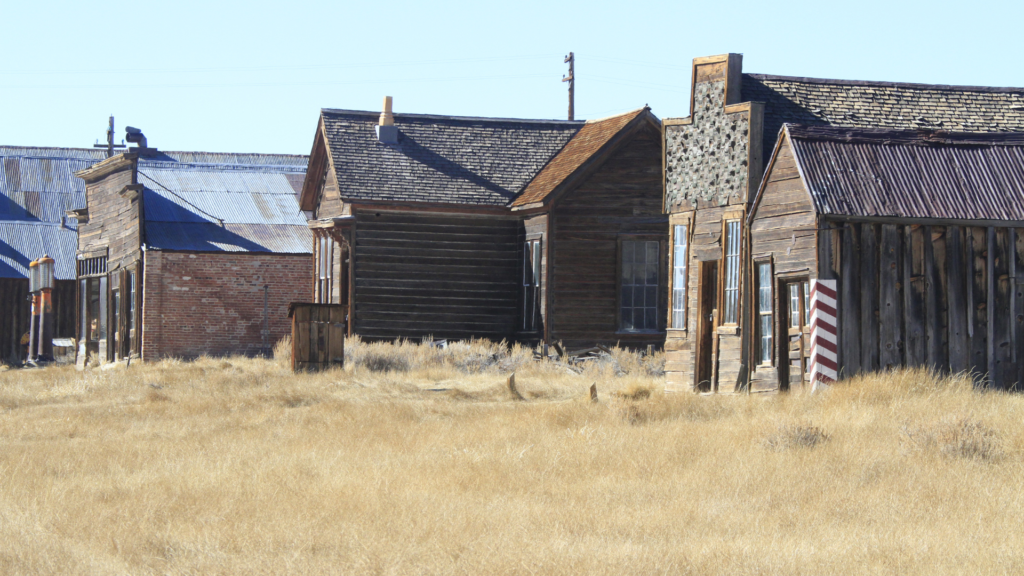
The ghost towns of the American Midwest offer more than just atmospheric backdrops for photography—they provide valuable lessons about sustainability, community resilience, and the true cost of resource extraction. As you walk the empty streets of these former boomtowns, the silence speaks volumes about the temporary nature of prosperity tied to non-renewable resources. Yet there’s also something undeniably inspiring about the boldness of these ventures, the courage of those who risked everything chasing dreams that glittered like gold. Perhaps that’s why gold fever never truly disappears—it simply changes form, manifesting in each generation’s pursuit of opportunity, even when the odds suggest caution instead.
More from Battleground History: