Best Places to Stay in Normandy for Battlefield Visitors
Normandy is a working landscape, not a museum — its battlefields, cemeteries, and memorials sit among farmland, fishing towns, and quiet villages that have gone back to ordinary life since 1944. That’s part of what makes visiting so powerful, but it also means choosing where to stay takes a bit more thought than picking the nearest hotel to the beaches. Base yourself well and you’ll spend your days at Omaha, Pointe du Hoc, and the American Cemetery instead of in the car. Base yourself poorly and half your trip disappears into transit time.
This guide breaks down the best places to stay in Normandy for battlefield visitors, organised by what kind of trip you’re planning — first-timers wanting one central base, those focused specifically on the D-Day beaches, and travellers who want a quieter, more rural experience closer to the landing sites themselves.
Bayeux: The Best All-Round Base
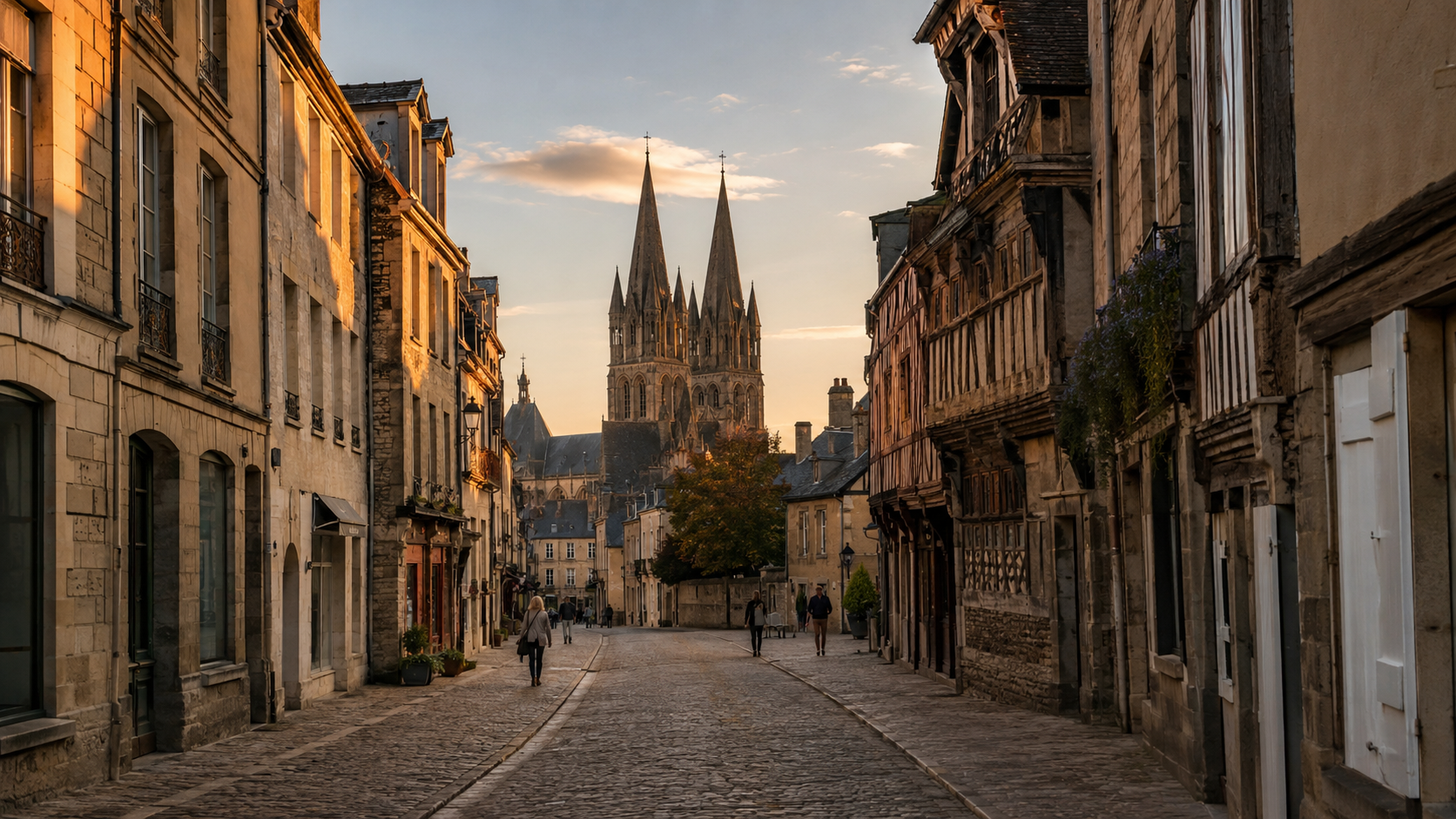
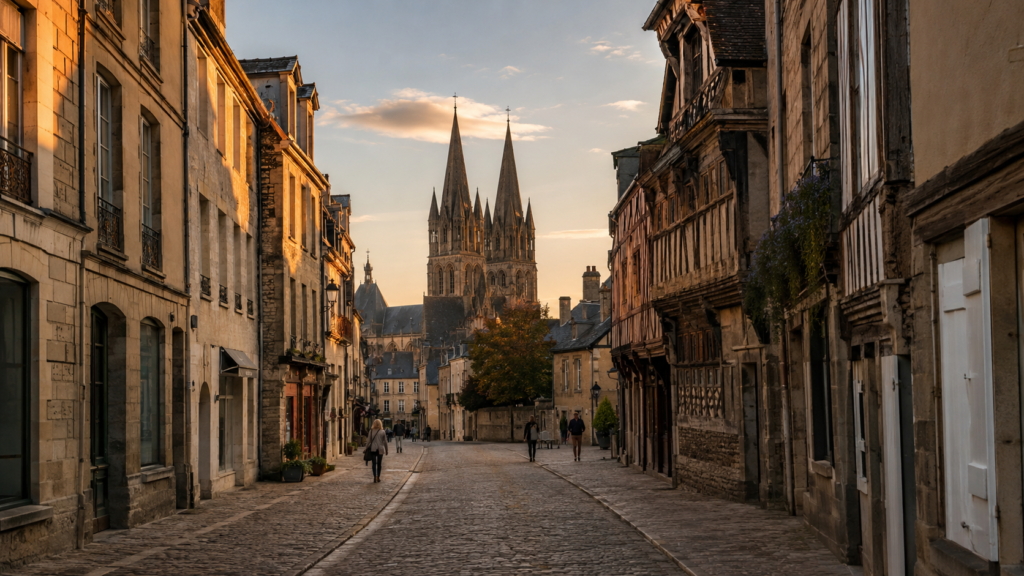
If you’re only staying in one place, make it Bayeux. It’s the obvious answer for good reason. The town survived the war almost untouched, so you get medieval streets, a genuinely stunning cathedral, and the Bayeux Tapestry all within walking distance of your hotel — alongside being roughly 20–25 minutes by car from Omaha Beach, the American Cemetery, and Pointe du Hoc.
Bayeux also has the practical infrastructure battlefield visitors actually need: a proper choice of restaurants, several car hire options, a train station connecting back to Paris, and — crucially — a concentration of tour operators who run half-day and full-day D-Day beach tours departing directly from town. If you don’t want to hire a car, Bayeux is the only sensible base, since nearly every guided tour and shuttle service picks up here.
Free Download
The WWI Battlefield Visitor Checklist
Everything to see, pack, and plan before you visit the Western Front — straight to your inbox.
No spam — just battlefield travel guides. Unsubscribe any time.
Who it suits: First-time visitors, anyone without a car, travellers who want evenings with restaurants and a bit of life rather than rural silence.
Arromanches-les-Bains: Sleep Where the Mulberry Harbour Was Built
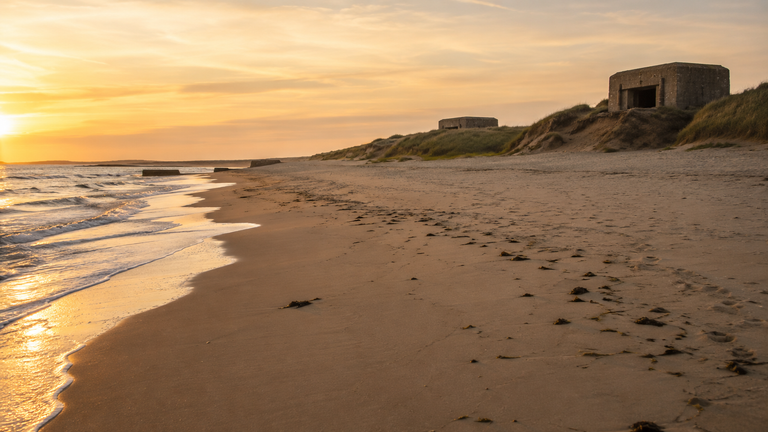
Arromanches sits directly on Gold Beach, and the remains of the artificial Mulberry Harbour are still visible in the bay at low tide — you can see them from your hotel window in some cases. It’s a small, low-key seaside town rather than a destination in its own right, but for visitors who want to wake up genuinely on the beach rather than near it, this is the spot.
It’s well positioned for the British and Canadian sectors — Gold, Juno, and Sword beaches — and close enough to the American sector that a day trip to Omaha and the cemetery is entirely manageable. The D-Day Museum (Musée du Débarquement) is a short walk from most accommodation.
Who it suits: Visitors focused on the British/Canadian landing sectors, anyone who wants direct beach access, families who’d like a proper seaside stay alongside the history.
The Complete Guide to Visiting the D-Day Beaches in Normandy
Colleville-sur-Mer and the Omaha Sector: Staying Close to the American Cemetery
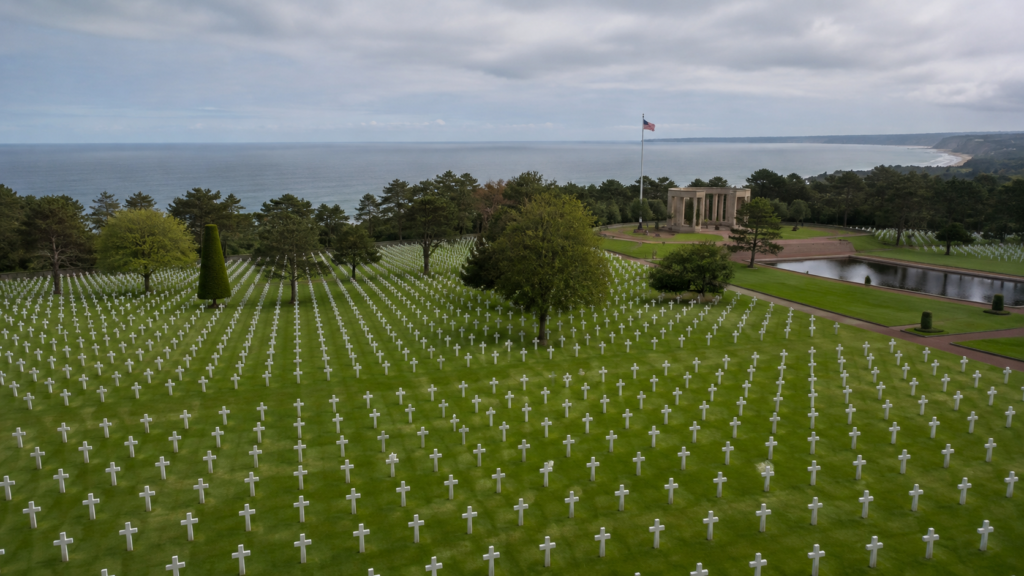
For visitors whose trip centres on the American experience — Omaha Beach, the Normandy American Cemetery at Colleville-sur-Mer, and Pointe du Hoc — staying in this immediate area cuts your travel time to almost nothing. Options here are smaller and more rural: farmhouse B&Bs, converted barns, and small gîtes rather than hotel chains, but that’s often exactly what people are looking for after a long day walking the bluffs above Omaha.
This is a good pairing for anyone planning to be at the American Cemetery for the daily flag-lowering ceremony, or who wants to walk the beach at dawn before the tour buses arrive — both far easier when you’re staying five minutes away rather than thirty.
Who it suits: Visitors with a strong personal or family connection to the American landings, early risers, travellers who want a rural, working-farm atmosphere.
Caen: The Practical Choice for a Longer Trip
Caen is Normandy’s largest city and, for battlefield travellers, its main practical hub — better transport links, a wider range of accommodation and price points, and the excellent Mémorial de Caen museum, which is one of the best WWII museums in France and a genuinely worthwhile stop before or after the beaches themselves.
The trade-off is distance: Caen sits 25–40 minutes from most D-Day sites depending on which beach you’re headed to, so it works best as a base if you’re combining battlefield visits with a broader Normandy itinerary — Mont-Saint-Michel, the Norman coast, or a longer road trip — rather than a beaches-only trip.
Who it suits: Travellers combining D-Day sites with wider Normandy sightseeing, budget-conscious visitors wanting more hotel choice, those arriving by train.
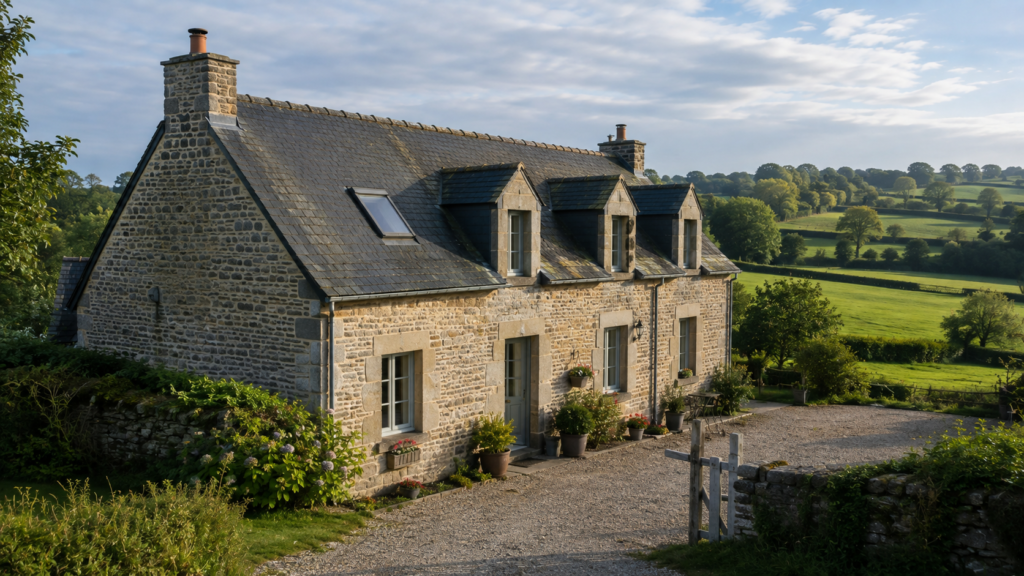
Rural Gîtes Near the Landing Beaches: For a Quieter, Slower Trip
Scattered across the farmland behind the beaches — particularly around Vierville-sur-Mer, Grandcamp-Maisy, and the villages inland from Utah Beach — are dozens of gîtes and farm stays, often run by families who’ve lived in the area for generations and have their own stories about the landings. Staying in one of these is a genuinely different experience from a hotel: fewer facilities, but often breakfast conversations that add more context to what you’re seeing than any guidebook.
Booking ahead matters here, especially around the D-Day anniversary in early June, when demand across the whole region spikes hard and the smaller properties fill first.
Who it suits: Return visitors who’ve already done the “highlights” once, travellers who want a slower pace, anyone hoping for a more personal, local perspective on the region.
Where to Stay for the D-Day Anniversary (June 6)
If you’re visiting around the anniversary itself, book as early as possible — ideally 6–9 months out. Bayeux and Arromanches both fill completely, prices rise significantly, and the smaller villages near the beaches often have long-standing repeat bookings from veterans’ families and tour groups. If you’re arranging a trip for early June and haven’t booked accommodation yet, widen your search to Caen or even further afield and plan on driving in for the ceremonies and beach visits.
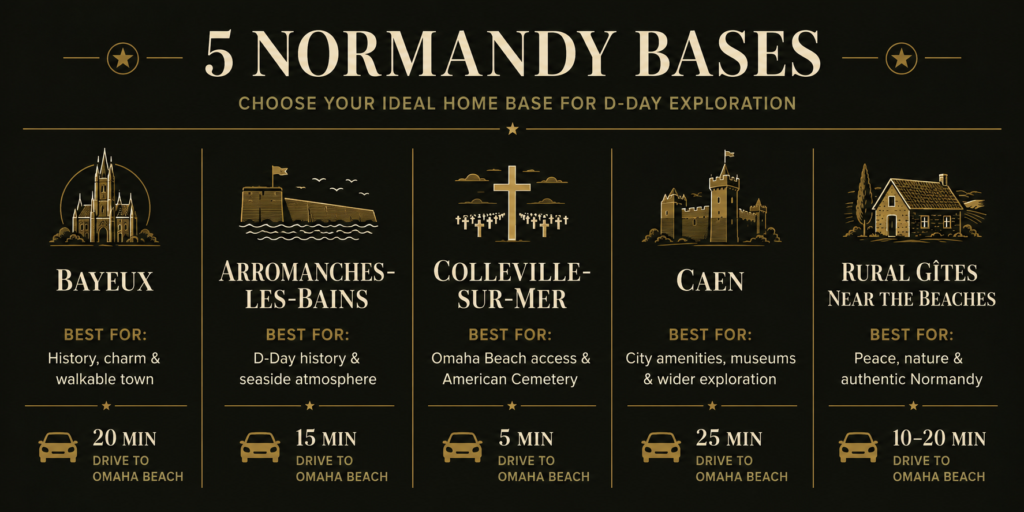
Quick Recommendations by Trip Type
- First trip, want it simple: Bayeux
- No car / relying on tours: Bayeux
- Focused on British & Canadian sectors: Arromanches-les-Bains
- Focused on American sector / personal connection: Colleville-sur-Mer area
- Combining D-Day with a longer Normandy trip: Caen
- Want a slow, local, rural experience: Farm gîtes near the beaches
A Note on Booking
Wherever you choose, book Normandy accommodation earlier than you might for other trips. Battlefield tourism is steady and well-established here, and the region’s accommodation stock is smaller than its visitor numbers suggest — much of it is boutique hotels, B&Bs, and gîtes rather than large chain properties. Outside the June anniversary spike, spring and early autumn are the easiest times to find good availability at reasonable rates, and also offer the mildest weather for walking the beaches and cemeteries.
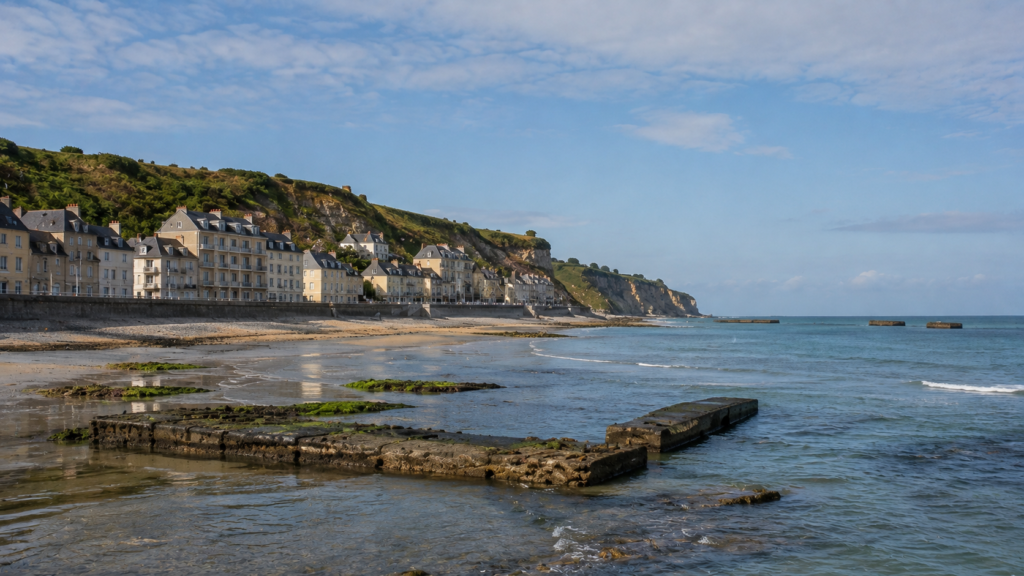
Wherever you base yourself, the drive times across this part of Normandy are short — it’s a compact landscape carrying an enormous weight of history, and no stay here is more than about 30 minutes from the beaches themselves.