
Mongolia’s Historical Sites and Battlegrounds
Mongolia’s vast steppes and mountains have witnessed countless historical events that shaped not only Asian history but the world at large. From the rise of Genghis Khan to ancient Buddhist monasteries, here’s your guide to exploring Mongolia’s historical sites.
Karakorum: The Ancient Capital

Once the capital of the Mongol Empire, Karakorum stands as a testament to the greatness of medieval Mongolia. Founded by Genghis Khan in 1220 and developed by his son Ögedei Khan, this UNESCO World Heritage site offers visitors a glimpse into the empire’s magnificent past.
The Erdene Zuu Monastery, built from the ruins of the ancient capital, features 108 stunning stupas and three beautifully preserved temples. While much of the original city lies in ruins, archaeological excavations continue to uncover new treasures, making each visit potentially unique.
Visitor Tips:
- Plan to spend at least a full day exploring the site
- Hire a local guide for detailed historical insights
- Visit in summer (June-August) for the best weather conditions
- Don’t miss the small but informative museum housing artifacts from excavations
Khalkhyn Gol Battlefield

The site of the decisive 1939 battle between Soviet-Mongolian and Japanese forces, Khalkhyn Gol represents a crucial moment in 20th-century military history. The battlefield, located in eastern Mongolia near the Chinese border, features monuments and a museum dedicated to this often-overlooked conflict.
Free Download
The WWI Battlefield Visitor Checklist
Everything to see, pack, and plan before you visit the Western Front — straight to your inbox.
No spam — just battlefield travel guides. Unsubscribe any time.
Today, visitors can explore:
- The Victory Monument overlooking the Khalkhyn Gol River
- A comprehensive museum featuring weapons, uniforms, and battle maps
- Memorial sites honoring fallen soldiers from both sides
- The surrounding steppes where tank battles once raged
Chinggis Khan Statue Complex
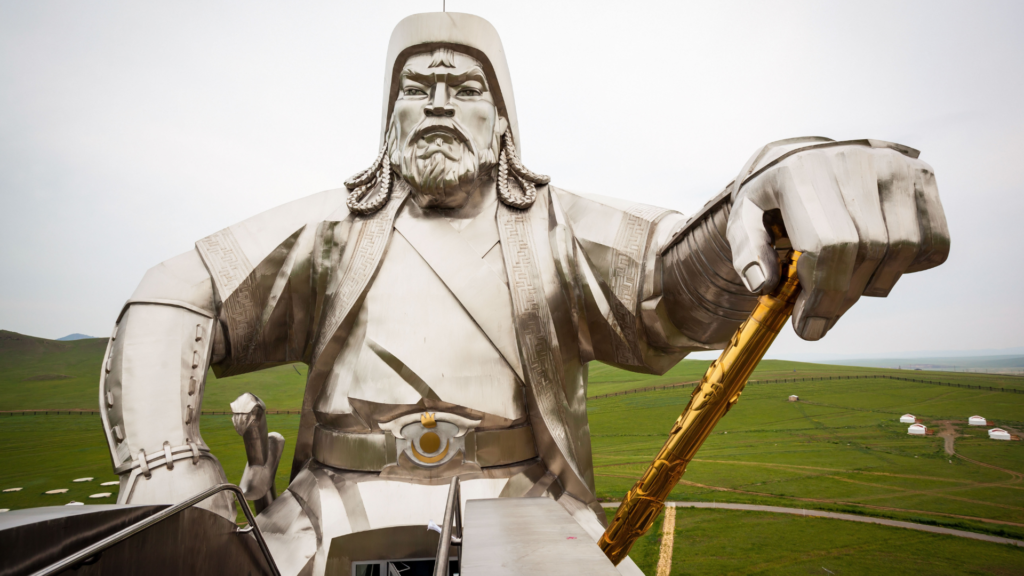
While not an ancient site per se, this modern monument pays homage to Mongolia’s greatest historical figure. The world’s largest equestrian statue, standing 40 meters tall, offers visitors an impressive museum of Mongol artifacts and a panoramic view of the surrounding steppes where Genghis Khan once rode.
Orkhon Valley Cultural Landscape
Another UNESCO World Heritage site, the Orkhon Valley, contains a wealth of historical treasures spanning 2,000 years of Mongolian history. Key sites include:

Khöshöö Tsaidam Monuments
These 8th-century memorial complexes honor the Göktürk princes Bilge Khan and Kül Tigin. The stone inscriptions provide invaluable insights into early Turkic history and culture.
Tuvkhun Monastery
Perched atop a mountain, this 17th-century monastery showcases the harmonious blend of Mongolia’s Buddhist heritage with its natural landscape. The monastery played a crucial role in Mongolia’s Buddhist renaissance.
Planning Your Historical Journey

Best Time to Visit
- Summer (June-August): Ideal weather, but peak tourist season
- Spring (April-May) and Fall (September-October): Fewer tourists, moderate weather
- Winter: Challenging conditions but unique photography opportunities
Getting Around
- Hire a reputable tour operator with knowledge of historical sites
- Consider combining sites in a multi-day tour
- Four-wheel drive vehicles are essential for reaching remote locations
Cultural Considerations
- Many sites hold religious significance; dress modestly
- Always ask permission before photographing local people
- Remove shoes when entering temples
- Respect memorial sites and don’t remove any artifacts
Beyond the Famous Sites
While Karakorum and the Chinggis Khan complex attract most tourists, consider visiting these lesser-known historical locations:
Kharkhorum Rock Inscriptions
Ancient petroglyphs depicting daily life, hunting scenes, and wildlife offer insights into prehistoric Mongolia. Some date back over 12,000 years.
Manjusri Monastery
Located near Ulaanbaatar, these monastery ruins tell the story of Mongolia’s Buddhist heritage and its destruction during the communist era. The hiking trails offer spectacular views and a chance to explore hidden shrines.
Recommended Reading
Before your trip, consider reading:
- “The Secret History of the Mongols” for historical context
- Modern guidebooks focusing on Mongolian history
- Academic works about specific sites you plan to visit
Glimpes Into The Past
Mongolia’s historical sites offer more than just glimpses into the past; they provide immersive experiences in locations where history-changing events occurred. From ancient battlefields to sacred monasteries, these sites tell the story of an empire that once ruled much of the known world and the complex history that followed.
More from Battleground History:


