

Venice’s Dark History: Islands of the Plague
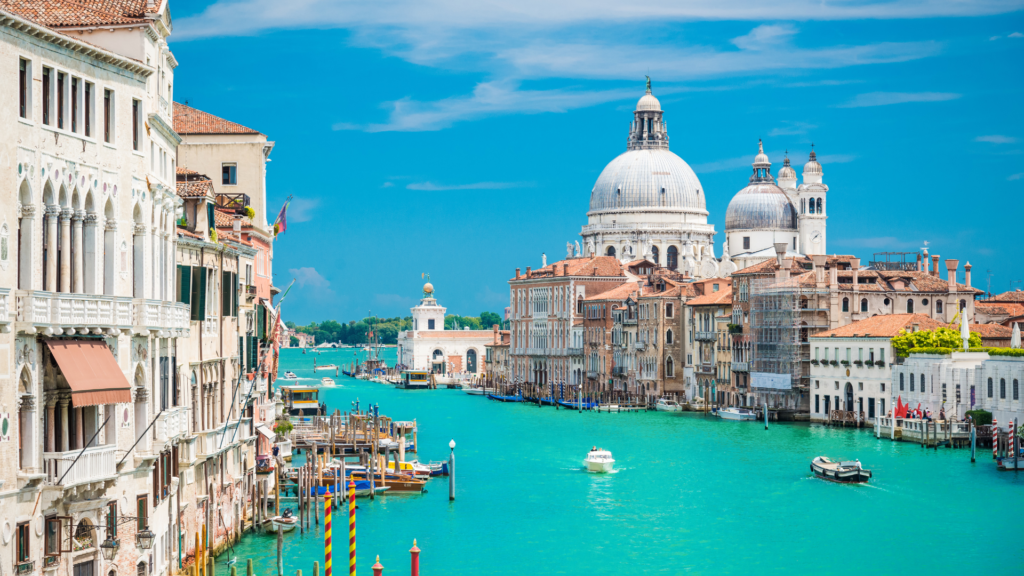
Venice’s relationship with infectious disease shaped its destiny and left an indelible mark on modern public health practices. The city’s strategic position as a maritime trading hub brought both prosperity and peril, making it particularly vulnerable to devastating plague outbreaks that repeatedly swept through Europe from the 14th to 17th centuries known as the Islands of the Plague.
The Birth of Quarantine
In 1348, as the Black Death ravaged Europe, Venice’s governing council made a revolutionary decision. They established the world’s first institutionalized system of quarantine, derived from “quaranta giorni” – the forty days ships and travelers were required to isolate before entering the city. This practice would later be adopted globally, fundamentally changing how societies respond to disease outbreaks.
Lazzaretto Vecchio: The First Plague Hospital
Located a short distance from Venice’s main islands, Lazzaretto Vecchio became the world’s first plague hospital in 1423. Originally a monastery, this small island was transformed into a containment facility where infected citizens were sent to either recover or die. Recent archaeological excavations have uncovered mass graves containing over 1,500 plague victims, providing invaluable insights into medieval medical practices and the pandemic’s devastating toll.
Lazzaretto Nuovo: Innovation in Prevention
By 1468, a second quarantine island, Lazzaretto Nuovo, was established. This facility served a different but equally crucial purpose – the inspection and purification of goods and merchandise. Ships arriving from suspect ports had their cargo unloaded, spread out, and fumigated with herbs and aromatics believed to cleanse disease. The island’s vast warehouses and sophisticated ventilation systems showcased Venetian ingenuity in disease prevention.
Free Download
The WWI Battlefield Visitor Checklist
Everything to see, pack, and plan before you visit the Western Front — straight to your inbox.
No spam — just battlefield travel guides. Unsubscribe any time.
The Plague Doctor Legacy
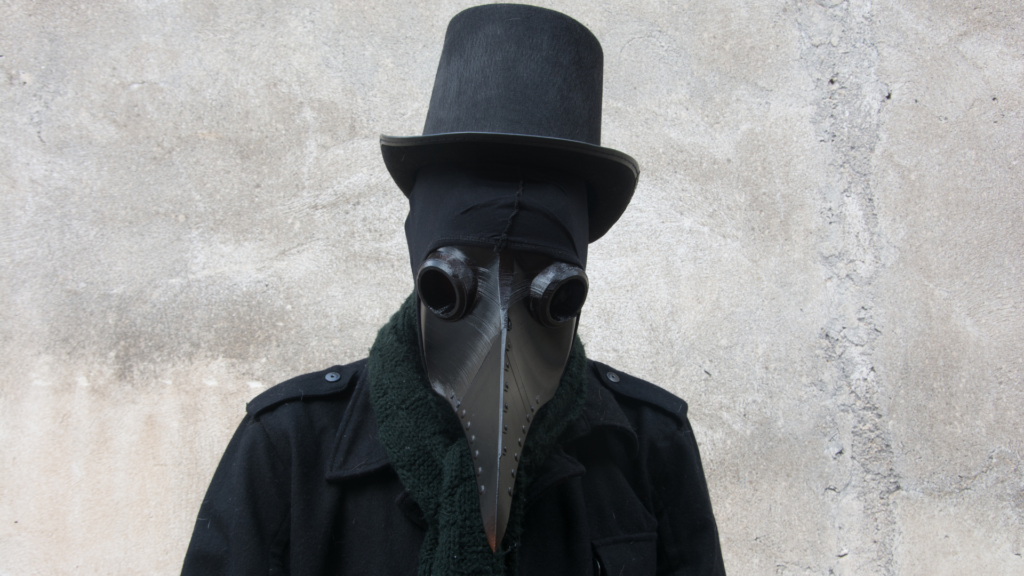
Venice’s response to the plague crisis gave rise to the iconic plague doctor, with their distinctive beaked masks filled with aromatic herbs. These physicians were specifically employed by the city to treat plague victims on the quarantine islands. Their protective clothing, though based on flawed medical understanding, represented one of the first attempts at creating standardized medical protective equipment.
Scientific Impact and Modern Relevance
Venice’s quarantine system, though developed centuries ago, laid the groundwork for modern epidemiology and public health practices. The detailed records kept by Venetian health officials provide invaluable data about historical disease patterns. The city’s innovative approach to disease control – including the separation of suspected cases, goods inspection, and standardized medical protocols – continues to influence contemporary pandemic responses.
Archaeological Discoveries and Cultural Memory

Today, both Lazzaretto islands serve as powerful reminders of Venice’s plague history. Ongoing archaeological work continues to uncover artifacts that shed light on daily life during epidemics. The islands’ buildings, though largely abandoned, stand as monuments to human resilience and innovation in the face of devastating disease outbreaks.
Visiting the Plague Islands: Practical Guide
| ⚠️ Good to know: The two islands have very different visitor access. Lazzaretto Nuovo is regularly open for guided tours. Lazzaretto Vecchio is currently closed to the general public while it is being developed as the future National Archaeological Museum for the Venetian Lagoon. Check for special open days via its social media channels. |
Lazzaretto Nuovo
Opening Season & Hours
| Open | March to November |
| Tours | Guided visits only — approximately 2 hours |
| English tours | Saturdays at 11am, April through October (excluding August, which requires private booking) |
| Booking | Required by the preceding Thursday via email: [email protected] |
| Min. group | Tours proceed once minimum bookings are reached; confirmation sent by email |
Admission
| Adult | €10 per person |
| Children (under 14) | €5 |
| Payment | By debit or credit card at the entrance on the day |
| Private / exclusive tours | From €150 for up to 15 people (available any day by arrangement) |
What the Tour Covers
The two-hour guided visit includes two distinct sections:
- The historical-archaeological itinerary inside the walls — including the Tezon Grande museum with its remarkable wall inscriptions, plague-era artefacts, and archaeological finds from the campo santo.
- The naturalistic walk of the marshlands outside the walls (“The Path of the Barene”) — a peaceful circuit through the lagoon’s salt marshes and birdlife, offering a stark contrast to the island’s dark history.
Getting There
Lazzaretto Nuovo is reached by vaporetto (water bus). Take ACTV Line 13 departing from Venice-Fondamente Nuove. For Saturday morning English tours, depart on the 10:25am service; the return vaporetto leaves the island at approximately 12:55pm.
Fondamente Nuove is easily reached from the main islands — approximately 20 minutes on foot from Rialto, or take vaporetto Line 4.1 or 4.2 from San Zaccaria near St Mark’s Square.
| 💡 Tip: The island is small and access is by boat only. Arrive at Fondamente Nuove with time to spare — missing the ferry means missing the tour. |
Lazzaretto Vecchio
Lazzaretto Vecchio is currently not open for regular public visits. It is being developed as the site of the future National Archaeological Museum of the Venetian Lagoon, but the project is in its early stages and much of the island is structurally fragile. Occasional open days have been held in the past — check the island’s social media or local Venice event listings for any scheduled access.
The island can be seen from the water, close to the inner side of the Lido opposite Via Riva del Corinto. Several lagoon boat tours pass by it as part of a broader Venice islands itinerary.
Poveglia: The Third Plague Island
A third island, Poveglia, was used during later plague outbreaks and became a psychiatric institution in the 20th century. It is now completely abandoned and access is not permitted — trespassing is illegal and enforced. It can be seen on lagoon boat tours but cannot be visited.
Guided Tours and Tour Operators
If you’d prefer a structured experience that combines the plague islands with Venice’s broader dark history, several guided options are available:
- History Walks in Venice — specialist private tours of Lazzaretto Nuovo led by knowledgeable local guides with deep historical expertise. Private visits from €150 for up to 15 people. Highly recommended for those who want depth over a group experience. historywalksvenice.com
- GetYourGuide — offers Venice plague history walking tours through the streets and canals of the historic centre, covering the church of Santa Maria della Salute (built as a votive offering after the 1630 plague), the Doge’s Palace plague records, and the Scuola Grande di San Rocco. A good option if the Lazzaretto Nuovo dates don’t align with your trip.
- Lagoon boat tours — several operators offer lagoon excursions that pass Poveglia and give views of Lazzaretto Vecchio from the water, combined with stops at Murano, Burano, or Torcello. Check GetYourGuide or Viator for current options.
Plague History in Venice’s City Centre
You don’t need to reach the islands to encounter Venice’s plague history. The city’s centre contains some extraordinary monuments to the devastation — and the defiance — of the epidemic years:
- Santa Maria della Salute — the magnificent domed basilica at the entrance to the Grand Canal was commissioned by the city after the 1630 plague killed a third of Venice’s population. Every 21 November, the city still celebrates the Festa della Salute, crossing the canal on a pontoon bridge to give thanks.
- Scuola Grande di San Rocco — St Roch was the patron saint of plague victims, and this ornate confraternity building (decorated with Tintoretto’s greatest works) was one of the city’s primary centres of plague relief. Free to enter the church; a small admission for the Sala dell’Albergo and the upper hall.
- The Ghetto — Venice’s Jewish quarter was locked during plague outbreaks as part of quarantine measures, adding a layer of enforced isolation to an already walled community. The Ghetto Museum includes material on this period.
Where to Stay
Venice is best explored with at least two nights. The main island options include:
| Near Fondamente Nuove | Staying in the Cannaregio or Castello sestieri puts you closest to the Lazzaretto Nuovo vaporetto departure point and away from the most crowded areas around St Mark’s. |
| The Lido | The barrier island is quieter and cheaper than the main islands. Ferries run regularly. Lazzaretto Vecchio is visible from the Lido’s inner waterfront. |
| Mestre (mainland) | The most budget-friendly option, with frequent trains and buses into Venice. Adds 25–30 minutes to your journey but significantly reduces accommodation costs. |
| 💻 Book accommodation: Use Booking.com or Hotels.com for main-island hotels. For the Lido and rural options, Airbnb or Vrbo often list quieter, more characterful properties at better rates. |
Planning Your Visit: Practical Tips
- Book Lazzaretto Nuovo well in advance. English tours only run on Saturdays and minimum numbers must be met before confirmation is given. Email early, especially in peak summer months.
- The island is exposed to lagoon weather. Bring layers even in summer — the vaporetto crossing and the marshland walk can be breezy.
- Photography is welcome. The Tezon Grande’s wall inscriptions and the open archaeological digs make for atmospheric images unlike anything in Venice’s tourist centre.
- Combine with Burano or Torcello. ACTV Line 9 and 12 connect several of the northern lagoon islands, making it easy to build a full lagoon day around the Lazzaretto Nuovo visit.
- Venice entry fees: since 2024, day visitors to Venice’s historic centre during peak periods must pay a day visitor contribution (€5). Check the city’s official website for current dates and exemptions before your trip — overnight guests are exempt.
Further Reading
To deepen your understanding before visiting, these books reward the effort:
- The Black Death by Philip Ziegler — the classic account of the 14th-century plague across Europe, with strong material on Venice’s response.
- Venice: A New History by Thomas F. Madden — authoritative and readable, with excellent chapters on the plague years and Venice’s public health innovations.
- Plague and the City edited by Lukas Engelmann et al. — for readers interested in the urban and epidemiological dimensions of historical quarantine systems.
The Legacy Lives On
Venice’s plague islands represent more than just historical curiosities. They tell a story of human ingenuity, sacrifice, and the eternal struggle against infectious disease. As modern societies continue to face public health challenges, the lessons learned from Venice’s systematic approach to disease control remain remarkably relevant, demonstrating how past innovations can inform present-day responses to global health crises.
More from Battle Ground History:


