Greece A Treasure Trove Of History
Greece is a treasure trove of history, with ancient ruins, temples, and battlefields that tell the stories of civilizations that shaped the world. If you’re planning a visit, here are some must-see historical sites in Greece, including battlefields that are pivotal to its storied past.
The Acropolis of Athens
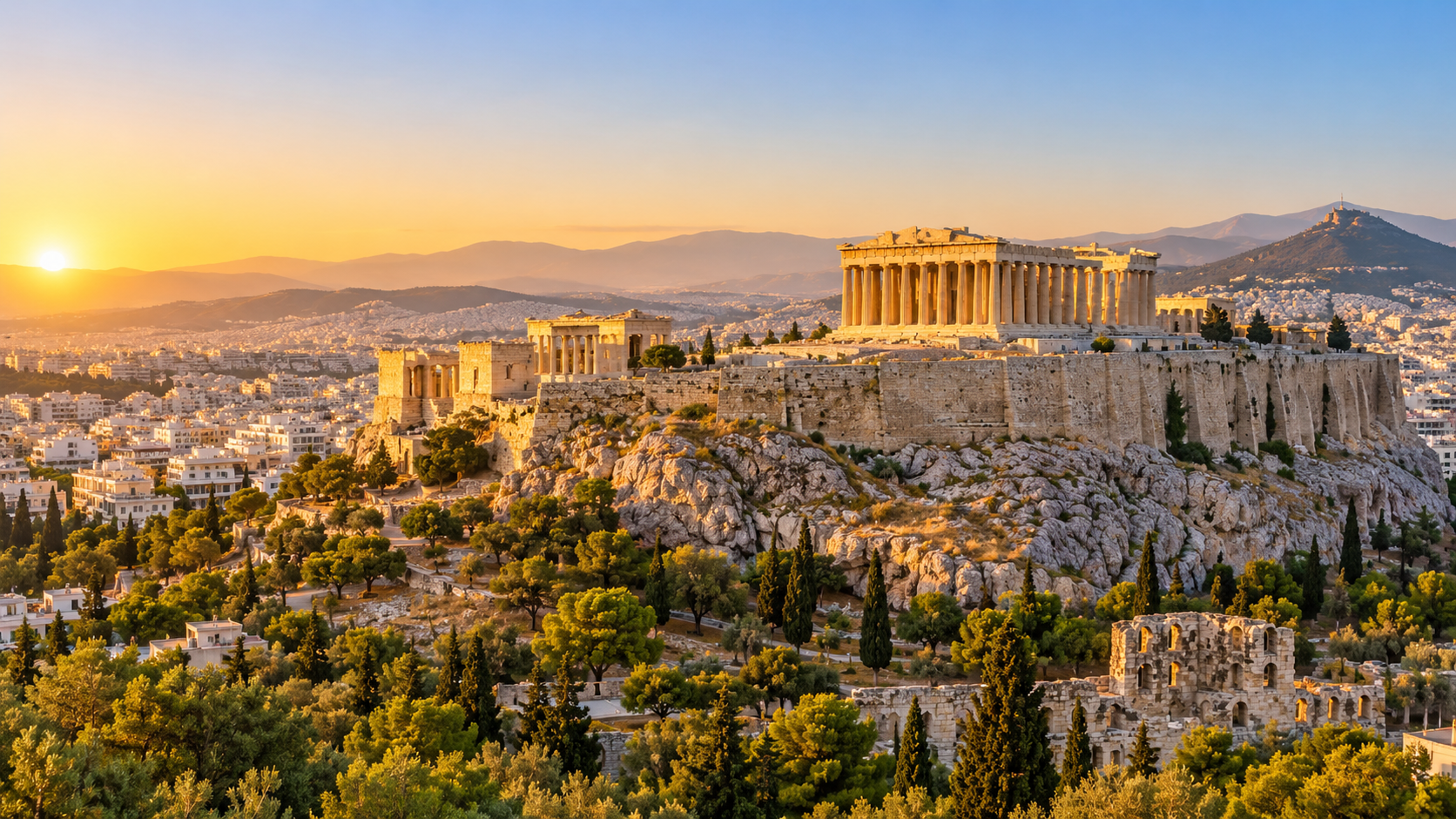
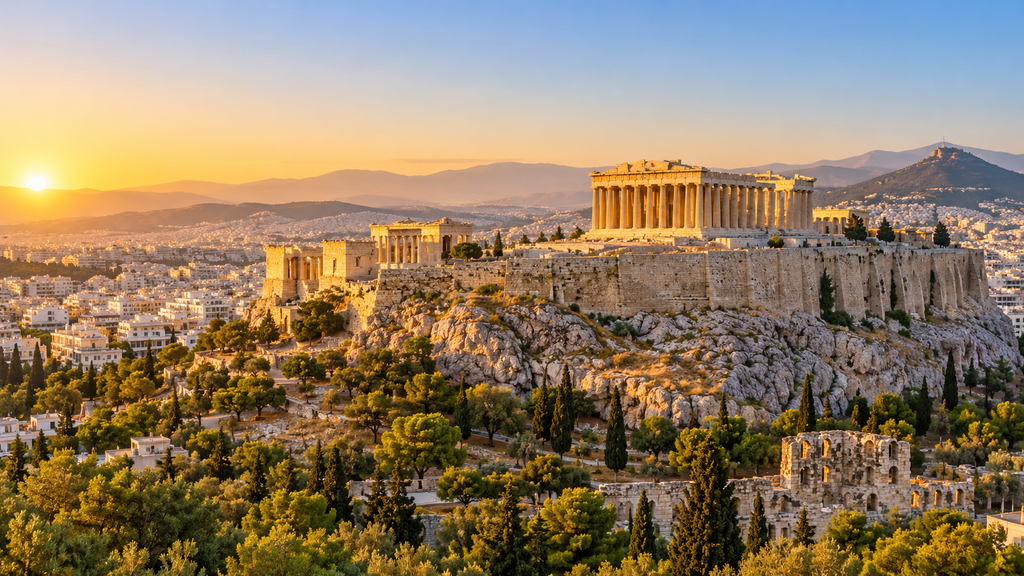
No visit to Greece is complete without a trip to the Acropolis of Athens. This ancient citadel stands as a symbol of the Golden Age of Athens, a period of unprecedented cultural and political development. The Parthenon, dedicated to the goddess Athena, dominates the hilltop and offers breathtaking views over the city. Beyond its architectural grandeur, the Acropolis is a reminder of the power and influence Athens held in the ancient world.
Delphi
Nestled on the slopes of Mount Parnassus, Delphi was once considered the center of the world by the ancient Greeks. This UNESCO World Heritage site was home to the Oracle of Delphi, where leaders from across Greece would come to seek guidance from the gods. The Temple of Apollo, the ancient theater, and the stadium are key highlights, each with a story that echoes through the ages.
Thermopylae
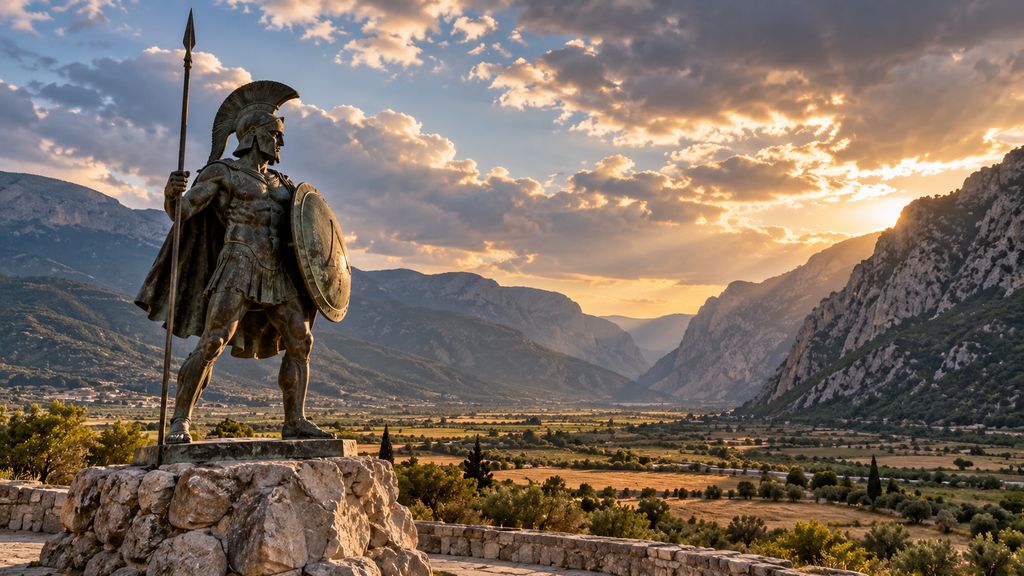
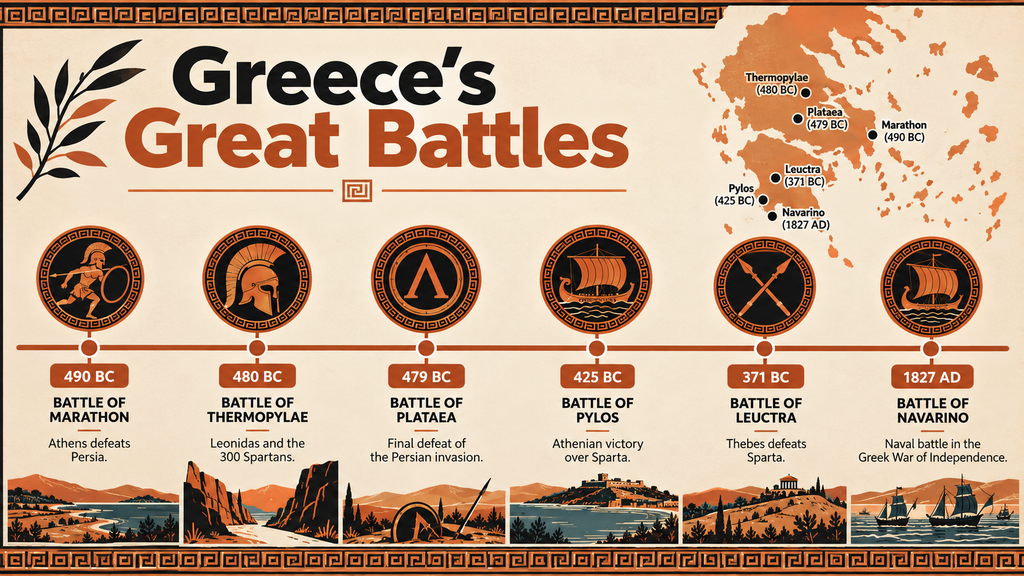
The battle of Thermopylae is one of the most famous in Greek history. It was here that King Leonidas and his 300 Spartans made their heroic stand against the massive Persian army in 480 BC. While the battlefield itself is now a quiet, almost understated place, the site’s significance is immense. A monument to Leonidas stands here, and the nearby visitor center offers insights into the strategies and sacrifices of this legendary conflict.
Free Download
The WWI Battlefield Visitor Checklist
Everything to see, pack, and plan before you visit the Western Front — straight to your inbox.
No spam — just battlefield travel guides. Unsubscribe any time.
Marathon
The Battle of Marathon in 490 BC is another iconic moment in Greek history. It was here that the Athenians won a decisive victory against the Persians, effectively saving the city-state and its fledgling democracy. The battlefield is located near the modern town of Marathon, and you can visit the Marathon Tomb, a burial mound that honors the fallen soldiers. The nearby Marathon Museum provides further context and artifacts from this pivotal battle.
Mycenae
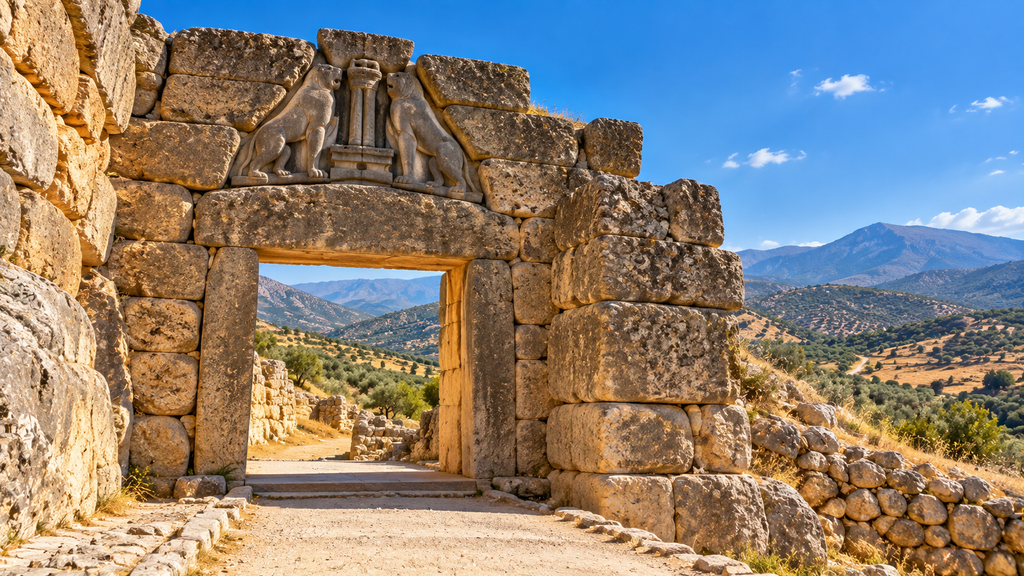
Mycenae, the legendary city of King Agamemnon, leader of the Greeks in the Trojan War, is one of the most important archaeological sites in Greece. The Lion Gate, the massive Cyclopean walls, and the royal tombs transport you back to the Bronze Age. Walking through the ruins, it’s easy to imagine the power and wealth of the Mycenaean civilization, which played a crucial role in Greek history.
Plataea
Often overshadowed by other battle sites, the Battle of Plataea in 479 BC was the final land battle during the second Persian invasion of Greece. The Greeks, led by Sparta and Athens, achieved a decisive victory here, effectively ending Persian ambitions in Greece. The battlefield lies near the modern village of Plataea, and though less developed for tourism, it’s a powerful place for those interested in military history.
Epidaurus
While not a battlefield, Epidaurus is a must-see for anyone interested in the cultural history of Greece. This ancient theater is renowned for its exceptional acoustics and beautiful setting. Originally built in the 4th century BC, it hosted performances dedicated to Asclepius, the god of medicine. Today, the theater is still in use, hosting performances that connect the ancient with the modern.
Thebes
Thebes was a major player in Greek history, particularly during the Peloponnesian War and the rise of Macedon. The site of the Battle of Leuctra in 371 BC, where the Thebans defeated the Spartans, is significant for its role in shifting the power dynamics of Greece. The modern city of Thebes has several archaeological sites and a museum that showcases its rich history.
Corinth
The ancient city of Corinth was strategically important, controlling the land route between mainland Greece and the Peloponnese. Its impressive Acrocorinth fortress offers stunning views and insights into the military strategies of the time. Corinth was also the site of several significant battles, including those during the Corinthian War in the early 4th century BC.
Pylos
The Battle of Pylos in 425 BC during the Peloponnesian War saw a dramatic Athenian victory against Sparta. The bay of Navarino, near modern Pylos, is also notable for the 1827 naval battle during the Greek War of Independence. The fortress of Pylos (Niokastro) and the nearby archaeological sites provide a deep dive into both ancient and more recent military history.
A Living History Book
Greece is more than just stunning landscapes and sunny beaches—it’s a living history book. Each of these sites offers a glimpse into the past, allowing visitors to walk in the footsteps of heroes, philosophers, and kings. Whether you’re drawn to the grandeur of ancient temples or the strategic significance of battlefields, Greece’s historical sites offer something for every history enthusiast.
More from Battleground History: