

Discovering Kenya’s Historic Battlefields and Ancient Sites
Kenya’s landscape tells a thousand stories, each written in stone, earth, and memory. From the whispers of ancient coastal settlements to the echoes of colonial resistance, the country’s historical sites stand as silent sentinels of a rich and complex past. Today, we embark on a journey through time, exploring Kenya’s historic battlefields and ancient sites that show its identity and continue to captivate visitors from around the globe.
Where Ancient Walls Speak: The Marvel of Gedi Ruins

Nestled in the heart of a primeval forest near Malindi, the Gedi Ruins stand as a testament to the sophistication of 13th-century Swahili civilization. These meticulously planned ruins reveal a past of remarkable architectural achievement and cultural refinement. Walking through the remains of coral-stone houses, a magnificent palace, and an intricate mosque, visitors can almost hear the bustling sounds of medieval trade and daily life. Arabic coins, Chinese porcelain, and Venetian glass beads found at the site paint a vivid picture of a cosmopolitan society that once thrived here, maintaining trading links stretching from the Far East to Europe.
Stone Sentinels: The Mystery of Thimlich Ohinga

Rising from the landscapes of Western Kenya, Thimlich Ohinga presents an architectural marvel that challenges our understanding of ancient African settlements. These perfectly fitted dry-stone walls, constructed without mortar, have stood for over five centuries. Built as a settlement during the 16th century, this “frightening dense forest” (as its name translates) showcases the incredible engineering capabilities of early Kenyan societies. The site’s defensive structures and social organization patterns provide fascinating insights into how communities protected themselves and lived together in harmony.
Warriors’ Last Stand: The Legacy of Koitalel Arap Samoei

In the rolling hills of Nandi County lies a story of resistance that still stirs the hearts of Kenyans today. Koitalel Arap Samoei, the legendary Nandi leader, led one of the longest and most effective resistance movements against British colonial rule. The site of his tragic assassination in 1905 now stands as a powerful memorial to indigenous resistance. The modern museum built in his honor doesn’t just preserve artifacts; it keeps alive the spirit of a people who fought valiantly for their freedom and way of life.
Free Download
The WWI Battlefield Visitor Checklist
Everything to see, pack, and plan before you visit the Western Front — straight to your inbox.
No spam — just battlefield travel guides. Unsubscribe any time.
Fortress by the Sea: Fort Jesus’s Tales of Conquest
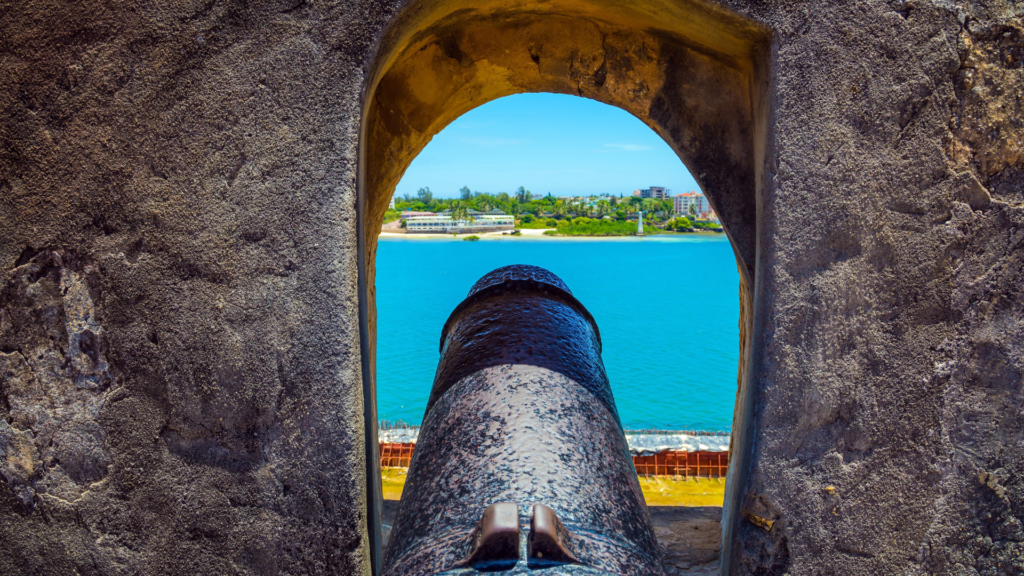
Standing proudly on the shores of Mombasa, Fort Jesus tells a story of power, conflict, and resilience. Built by the Portuguese in 1593, this UNESCO World Heritage site has witnessed centuries of dramatic battles and sieges. Its massive coral walls, which changed hands nine times between 1631 and 1875, have absorbed the impact of countless cannonballs and the footsteps of Portuguese, Omani, and British forces. Today, its museums house a fascinating collection of artifacts that bring to life the dynamic history of East African coastal warfare and trade.
Freedom Fighters’ Haven: The Mau Mau Hideouts
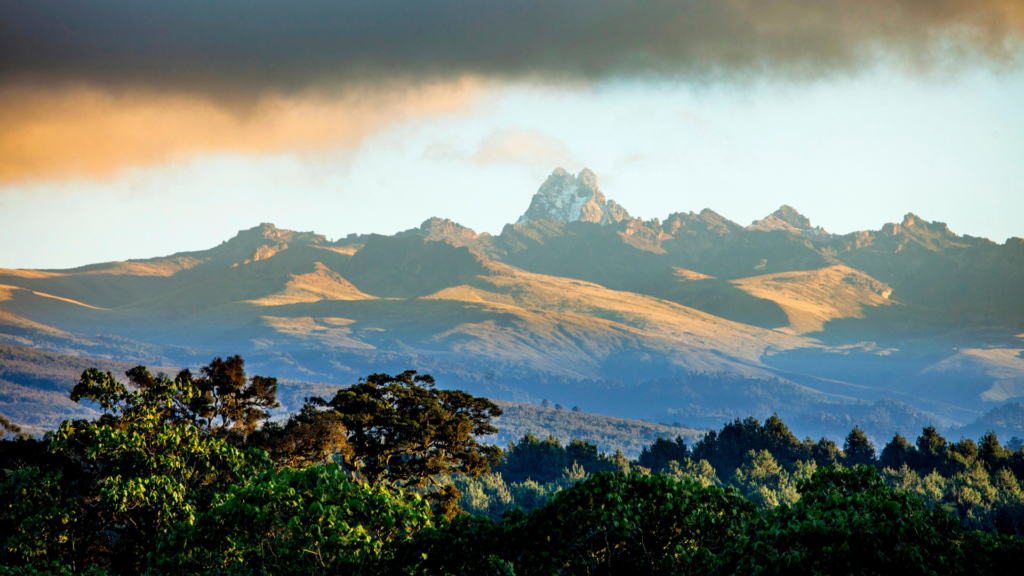
Deep within the forests of Mount Kenya and the Aberdares lie the caves and hidden camps that sheltered Kenya’s freedom fighters during the struggle for independence. These natural fortresses served as both refuge and command centers for the Mau Mau resistance movement. The caves, with their narrow entrances and complex internal networks, proved perfect for guerrilla warfare tactics. Today, these sites stand as powerful reminders of the price of freedom, with guided tours offering visitors a glimpse into the strategic brilliance and determination of Kenya’s independence fighters.
Shadows of World War I: The Taita Taveta Battlefields
Few realize that Kenya was a significant battleground during World War I. The Taita Taveta region witnessed intense fighting between British and German forces as part of the East African Campaign. The landscape still bears the scars of trenches, bunkers, and gun emplacements. Commonwealth war cemeteries in the area provide solemn testimony to the conflict’s human cost, while local museums preserve artifacts, photographs, and personal stories from this often-overlooked chapter of World War I.

Unsung Heroes: The Carrier Corps Legacy
Perhaps one of the most poignant yet least-known aspects of Kenya’s military history is the story of the Carrier Corps. During World War I, over 400,000 African porters supported the Allied war effort, carrying supplies through some of East Africa’s most challenging terrain. Training grounds and camps, now marked by memorial sites, remind us of their crucial contribution and immense sacrifice. These sites honor the thousands who died serving in roles that history books often forget.
Preserving Kenya’s Historic Battlefields Yesterday for Tomorrow
The preservation of these historical sites represents more than just maintaining old structures – it’s about protecting Kenya’s soul. Government initiatives, working alongside local communities and international organizations like UNESCO, strive to balance conservation with accessibility. However, challenges remain, from environmental threats to funding constraints. Every visitor who walks these grounds becomes part of an ongoing effort to keep history alive for future generations.

Practical Tips for the History Explorer
The best time to visit these historical sites is during the dry seasons (June to October and January to February), when paths are easily accessible and outdoor exploration is most comfortable. Many sites offer knowledgeable guides who can bring the past to life with detailed explanations and local perspectives. Remember to respect photography guidelines and cultural sensitivities at each location. Whether you’re a history buff, culture enthusiast, or curious traveler, Kenya’s historical sites offer an unforgettable journey through time.
A Living Legacy of Kenya’s Historic Battlefields
As we conclude our journey through Kenya’s historic battlefields and ancient sites, we’re reminded that these aren’t just relics of the past – they’re bridges to our ancestors, teachers of forgotten lessons, and guardians of national identity. Each stone, artifact, and story contributes to a greater understanding of Kenya’s rich heritage. In preserving and visiting these sites, we honor those who came before us and ensure their stories continue to inspire future generations.
The historical sites of Kenya stand as testament to the endurance of human spirit, the complexity of our past, and the importance of preserving our heritage. They remind us that history isn’t just about dates and facts – it’s about the human stories that shape our world and continue to influence our future.
More from Battleground History:


