

Explore the Wonders of Brazil’s Historical Sites
Brazil, the largest country in South America, boasts a rich tapestry of cultures, histories, and landscapes that beckon travelers from around the globe. While the country’s natural beauty often takes center stage, Brazil’s historical sites offer an equally compelling draw. These landmarks are more than mere remnants of the past; they are living testaments to the nation’s journey through time, reflecting its colonial roots, its battles for independence, and its cultural evolution.
In this blog post, we invite you to embark on a journey through twelve of Brazil’s most captivating historical sites. Whether you are an avid history buff, a culture enthusiast, or simply a curious traveler, these destinations promise to enrich your understanding of Brazil’s multifaceted heritage. From the awe-inspiring Christ the Redeemer statue overlooking Rio de Janeiro to the vibrant streets of Pelourinho, each site offers a unique glimpse into the narratives that have shaped the nation.
Christ the Redeemer (Cristo Redentor)

Christ the Redeemer, standing at 98 feet tall atop the Corcovado Mountain, is a symbol of Christianity and a cultural icon of Brazil. Visitors can take a scenic train ride through Tijuca Forest National Park to reach the statue, offering panoramic views of Rio de Janeiro along the way. The monument’s open arms are said to symbolize peace and warmth, welcoming all who visit.
Iguaçu National Park

Iguaçu National Park, a UNESCO World Heritage site, spans the border between Brazil and Argentina. The park boasts 275 individual waterfalls, with the most famous being the Devil’s Throat. Visitors can explore various trails, catwalks, and viewing platforms to fully appreciate the falls’ magnificent power and beauty. The park also supports diverse ecosystems, housing jaguars, toucans, as well as numerous other species.
Free Download
The WWI Battlefield Visitor Checklist
Everything to see, pack, and plan before you visit the Western Front — straight to your inbox.
No spam — just battlefield travel guides. Unsubscribe any time.
Pernambuco’s Historical Centre (Recife Antigo)
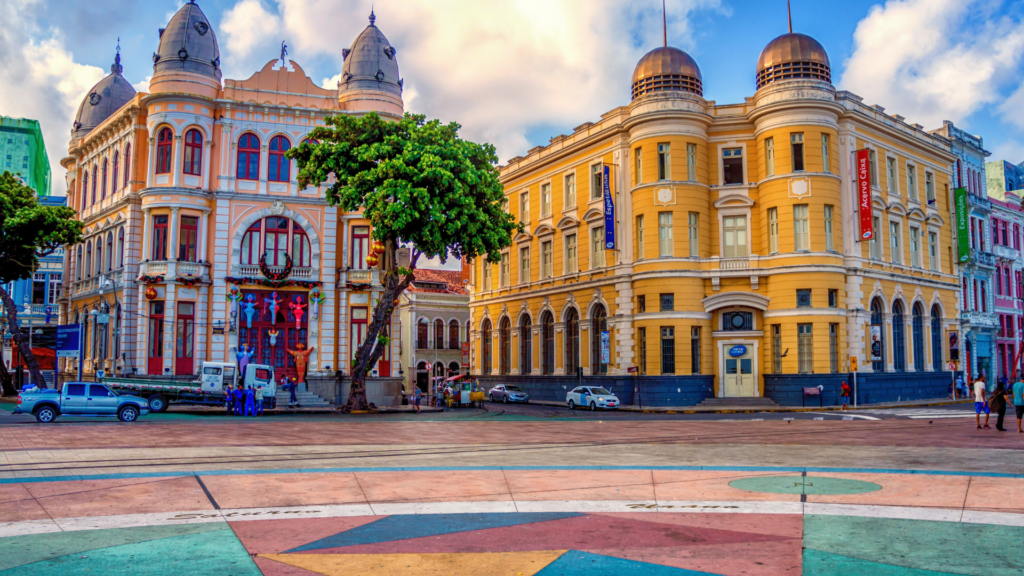
Recife Antigo, the historical heart of Recife, offers a glimpse into Brazil’s colonial past with its well-preserved architecture and cultural landmarks. The area is bustling with markets, museums, and vibrant street art. Highlights include the Malakoff Tower and the Kahal Zur Israel Synagogue, the first synagogue in the Americas. It’s a lively spot to experience local music, cuisine, and festivals.
Oswaldo Cruz Foundation (FIOCRUZ)

Established in 1900, FIOCRUZ is renowned for its contributions to medical science and public health in Brazil. The campus itself is an architectural marvel, featuring the Moorish-style Manguinhos Castle. Visitors can tour the Castle and the Museum of Life, which offers interactive exhibits on science and health, celebrating the foundation’s legacy in improving public health.
Pelourinho
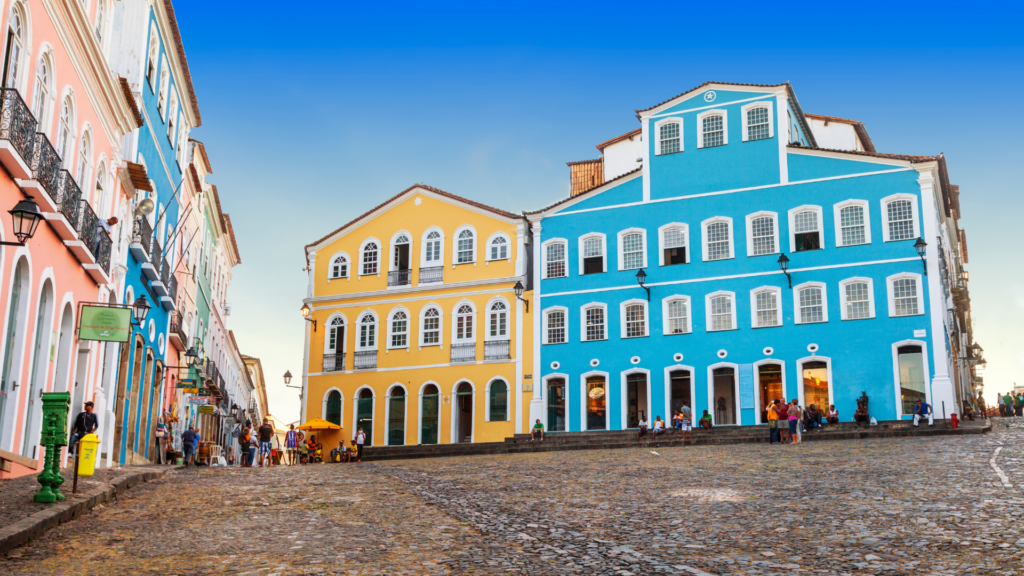
Pelourinho, a UNESCO World Heritage site, is known for its lively atmosphere and significant cultural heritage. The area is characterized by its colourful colonial buildings, bustling squares, and music-filled streets. It’s a hub of Afro-Brazilian culture, offering visitors a chance to experience traditional music, dance, and cuisine. Historical churches and museums provide insights into Bahia’s past and its role in Brazil’s history.
Ouro Preto
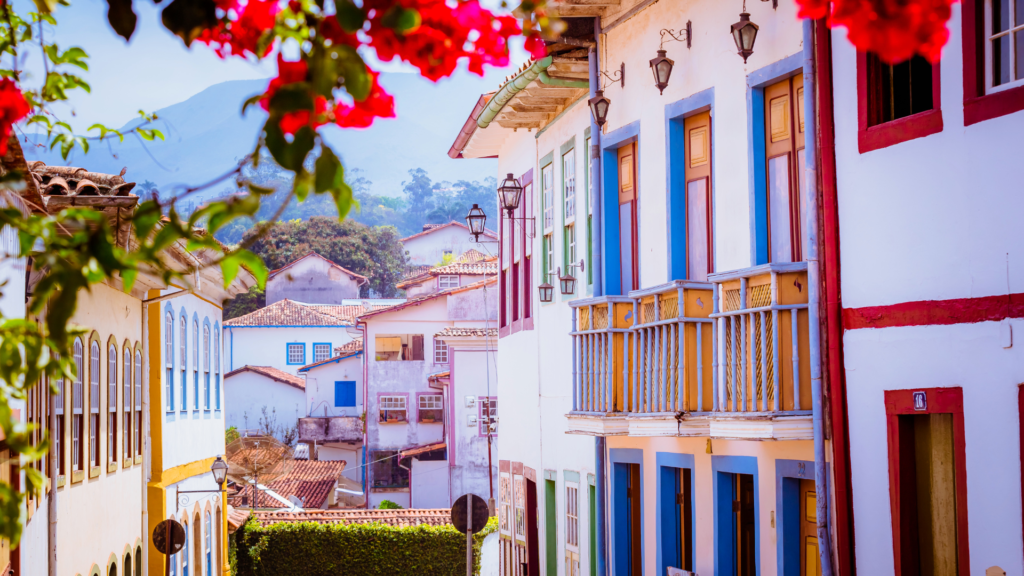
Ouro Preto, meaning “Black Gold,” was a focal point during Brazil’s gold rush era. The town is famous for its richly adorned baroque churches and colonial-era homes. Landmarks like the Church of Saint Francis of Assisi and the Museum of the Inconfidência reflect the town’s opulent past and revolutionary spirit. The steep, cobbled streets and terraced hills certainly offer a picturesque journey back in time.
São Francisco Square
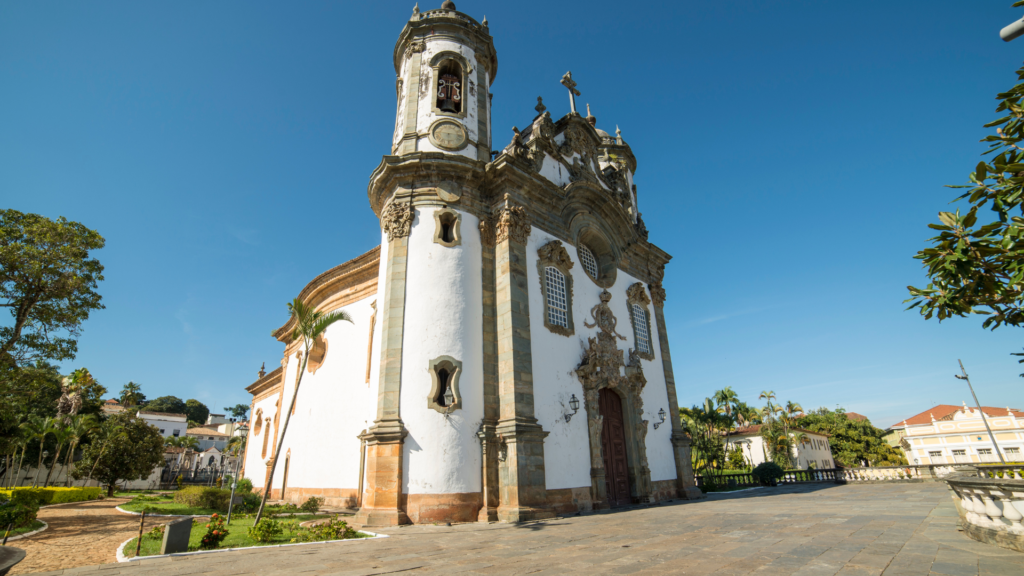
São Francisco Square is the centrepiece of São Cristóvão’s historical district, showcasing colonial-era architecture and religious heritage. The square is surrounded by significant buildings as well as the Church and Convent of São Francisco and the Provincial Palace. It remains a serene spot where visitors can appreciate the colonial town layout and the harmonious blend of Portuguese and Spanish architectural styles.
Imperial Museum
.JPG)
The Imperial Museum, located in the charming town of Petrópolis, offers a fascinating glimpse into Brazil’s imperial era. The palace itself is an example of neoclassical architecture, surrounded by lush gardens. Inside, visitors can explore rooms filled with imperial memorabilia, including the crown jewels, personal items of the royal family, and documents that shaped the nation’s history.
Tiradentes
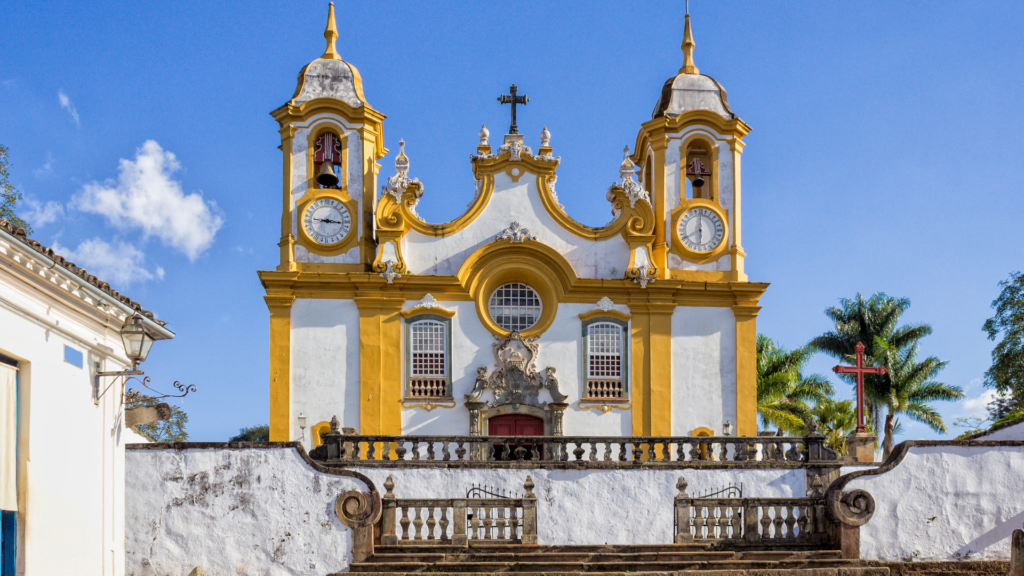
Tiradentes is a picturesque town named after Joaquim José da Silva Xavier, a national hero in Brazil’s independence movement. The town’s well-preserved colonial architecture, cobbled streets, and beautifully decorated churches, such as the Church of Saint Anthony, attract history enthusiasts and architecture admirers. Its tranquil atmosphere and historical significance make it a must-visit destination.
São Paulo Museum of Art (MASP)
.jpg)
The São Paulo Museum of Art, commonly known as MASP, is notable for its impressive collection of Western and Brazilian art and equally for its striking architectural design by Lina Bo Bardi. The main building is an iconic structure, suspended on large red pillars, creating a vast open space beneath it. This innovative design has made MASP a historic and cultural landmark in São Paulo.
You might also like:


