Historical Sites of Ancient Egypt
Let’s embark on a journey through some of the most iconic, as well as lesser-known, historical sites of ancient Egypt. A land steeped in history and mystery, Egypt has fascinated travelers and historians alike for centuries. Its ancient monuments and historical sites offer a glimpse into a civilization that once thrived along the banks of the Nile River. From the enigmatic pyramids to the majestic temples, each site tells a story of Egypt’s rich cultural heritage and architectural prowess.
The Great Pyramids of Giza
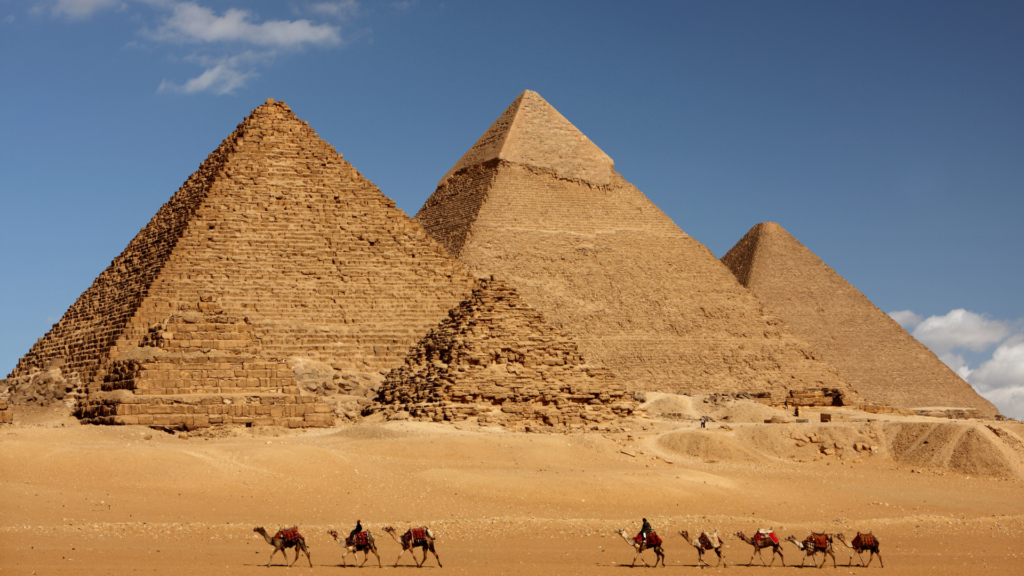
The Great Pyramids of Giza are perhaps the most recognizable symbols of ancient Egypt. These colossal structures, built as tombs for the pharaohs Khufu, Khafre, and Menkaure, have stood the test of time and continue to awe visitors with their sheer size and precision. The Great Pyramid of Khufu, also known as the Pyramid of Cheops, is the largest of the three and was considered one of the Seven Wonders of the Ancient World. The mysteries surrounding their construction and purpose still intrigue archaeologists and historians, making the pyramids a must-visit destination for anyone interested in ancient civilizations.
The Sphinx
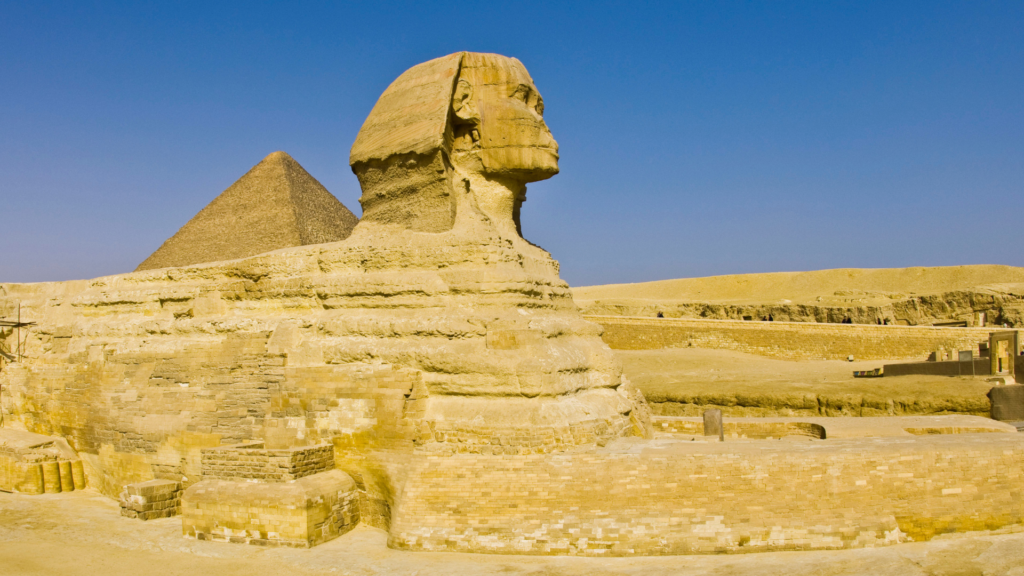
Adjacent to the Great Pyramids stands the Great Sphinx of Giza. Believed to represent Pharaoh Khafre, the Sphinx has sparked countless legends and theories regarding its origins and significance. This sculpture, carved from a single block of limestone, has suffered the ravages of time. Today it still remains an iconic symbol of ancient Egyptian ingenuity and artistic skill.
The Temples of Luxor and Karnak
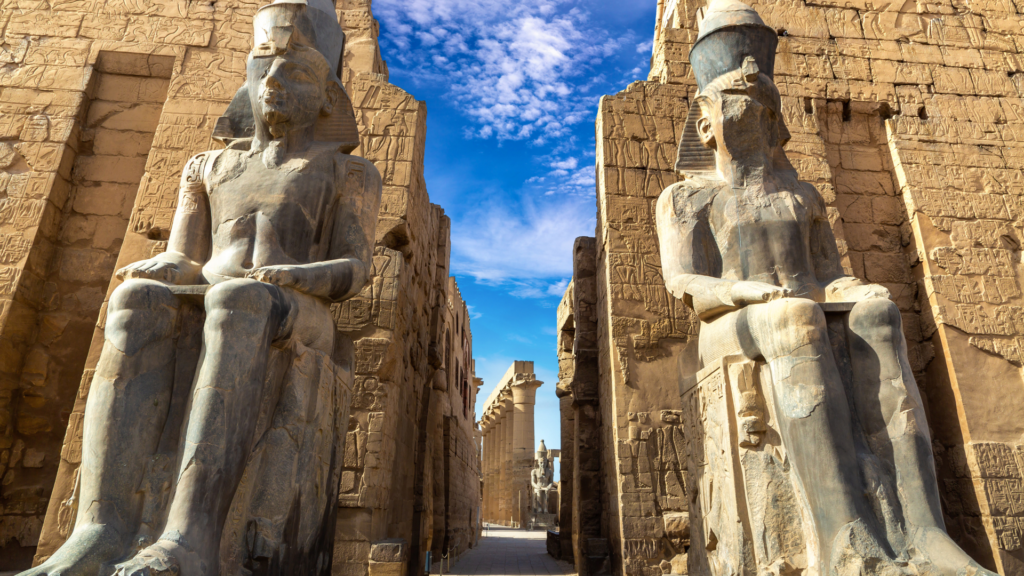
The temples of Luxor and Karnak are among the most impressive and well-preserved ancient structures in Egypt. Located in the modern city of Luxor, these temples were dedicated to the Theban triad of Amun, Mut, and Khonsu. The Karnak Temple Complex, in particular, is a vast open-air museum featuring towering columns, massive statues, and intricately carved reliefs. The Avenue of Sphinxes, which once connected Karnak and Luxor temples, is a testament to the grandeur and architectural ambition of the ancient Egyptians.
Free Download
The WWI Battlefield Visitor Checklist
Everything to see, pack, and plan before you visit the Western Front — straight to your inbox.
No spam — just battlefield travel guides. Unsubscribe any time.
The Valley of the Kings
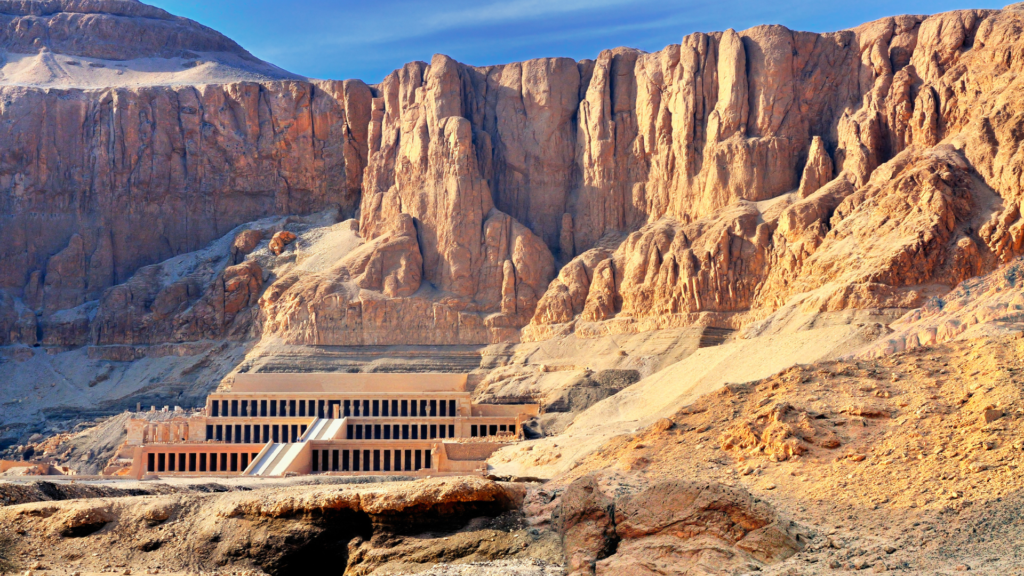
The Valley of the Kings served as the burial ground for pharaohs and powerful nobles of the New Kingdom. This necropolis is home to more than 60 tombs, including the famous tomb of Tutankhamun. The discovery of Tutankhamun’s nearly intact tomb in 1922 by Howard Carter was a monumental archaeological achievement. This provided an unprecedented insight into the wealth and burial practices of ancient Egyptian royalty. The elaborate decorations and treasures found in these tombs offer a glimpse into the afterlife beliefs of the Egyptians.
Abu Simbel Temples
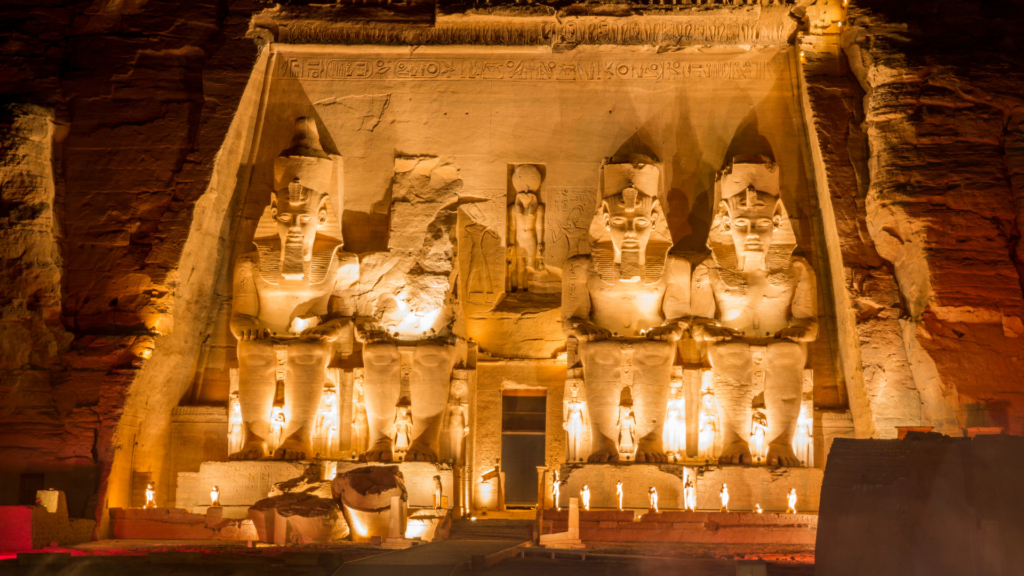
The Abu Simbel temples, carved out of a mountainside in southern Egypt, are remarkable feats of engineering and artistry. Built by Pharaoh Ramses II, these temples were relocated in the 1960s to save them from the rising waters of Lake Nasser, a result of the construction of the Aswan High Dam. The Great Temple of Ramses II, with its colossal statues of the pharaoh, and the smaller Temple of Hathor, dedicated to Ramses’ queen Nefertari, are awe-inspiring examples of ancient Egyptian craftsmanship and devotion to their deities.
The Temple of Philae
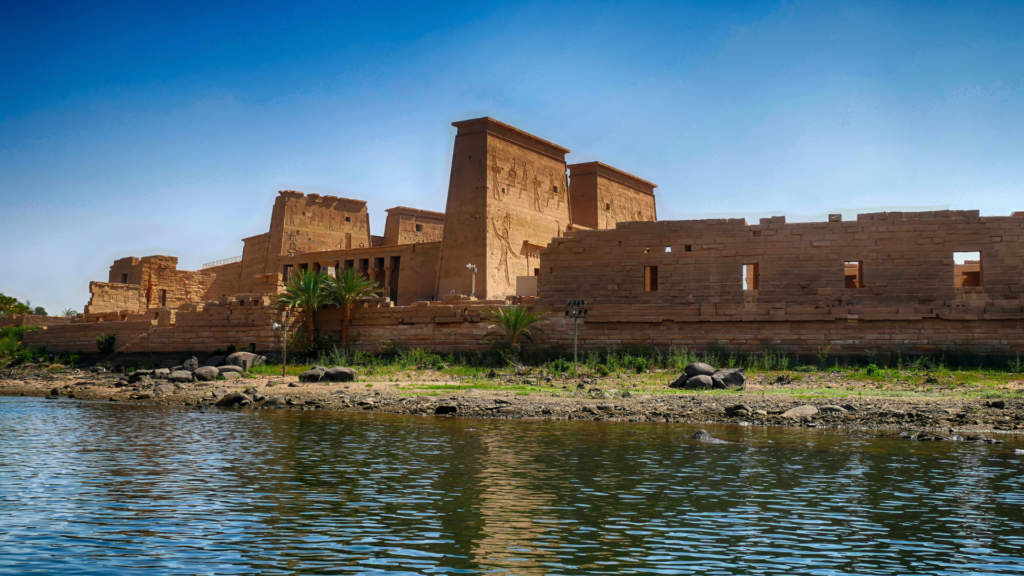
The Temple of Philae is another site that was saved from the waters of the Aswan High Dam. This beautiful temple complex, now located on Agilkia Island, showcases stunning reliefs and architectural elegance. The island’s serene surroundings and the temple’s carvings make it a popular destination for those seeking to experience achievements of ancient Egypt.
The Bent Pyramid of Dahshur
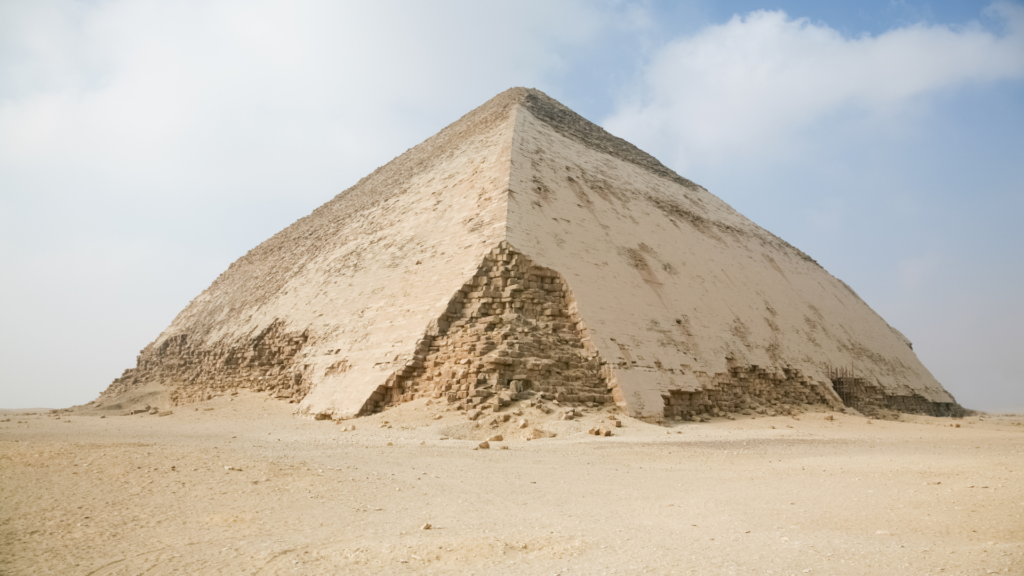
The Bent Pyramid, located in Dahshur, is a lesser-known yet fascinating structure. Built during the reign of Pharaoh Sneferu, this pyramid is unique due to its bent angle, resulting from a change in the construction plan. Unlike the straight-sided pyramids, the Bent Pyramid provides valuable insights into the evolution of pyramid construction and Sneferu’s architectural experiments.
The Temple of Medinet Habu
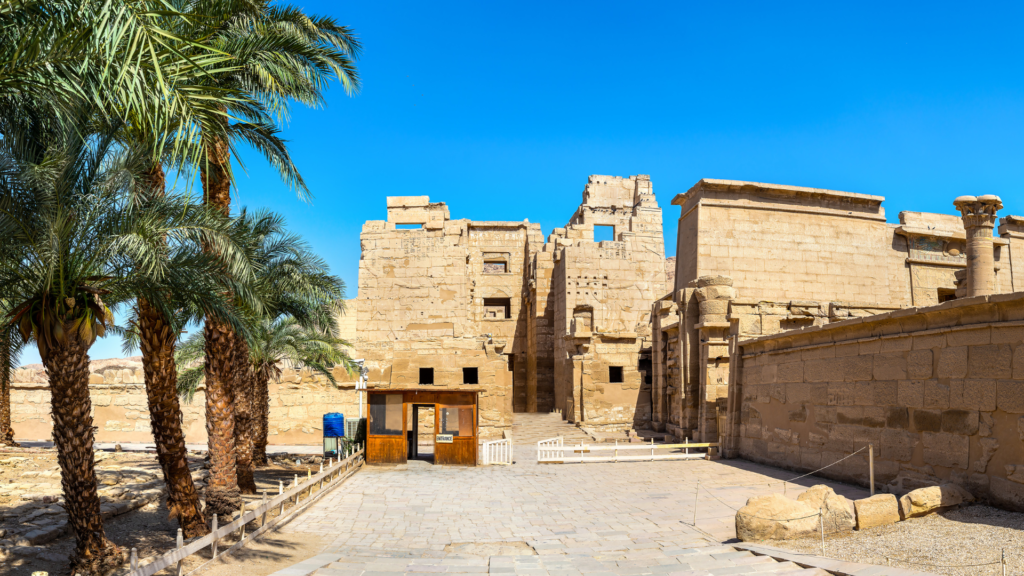
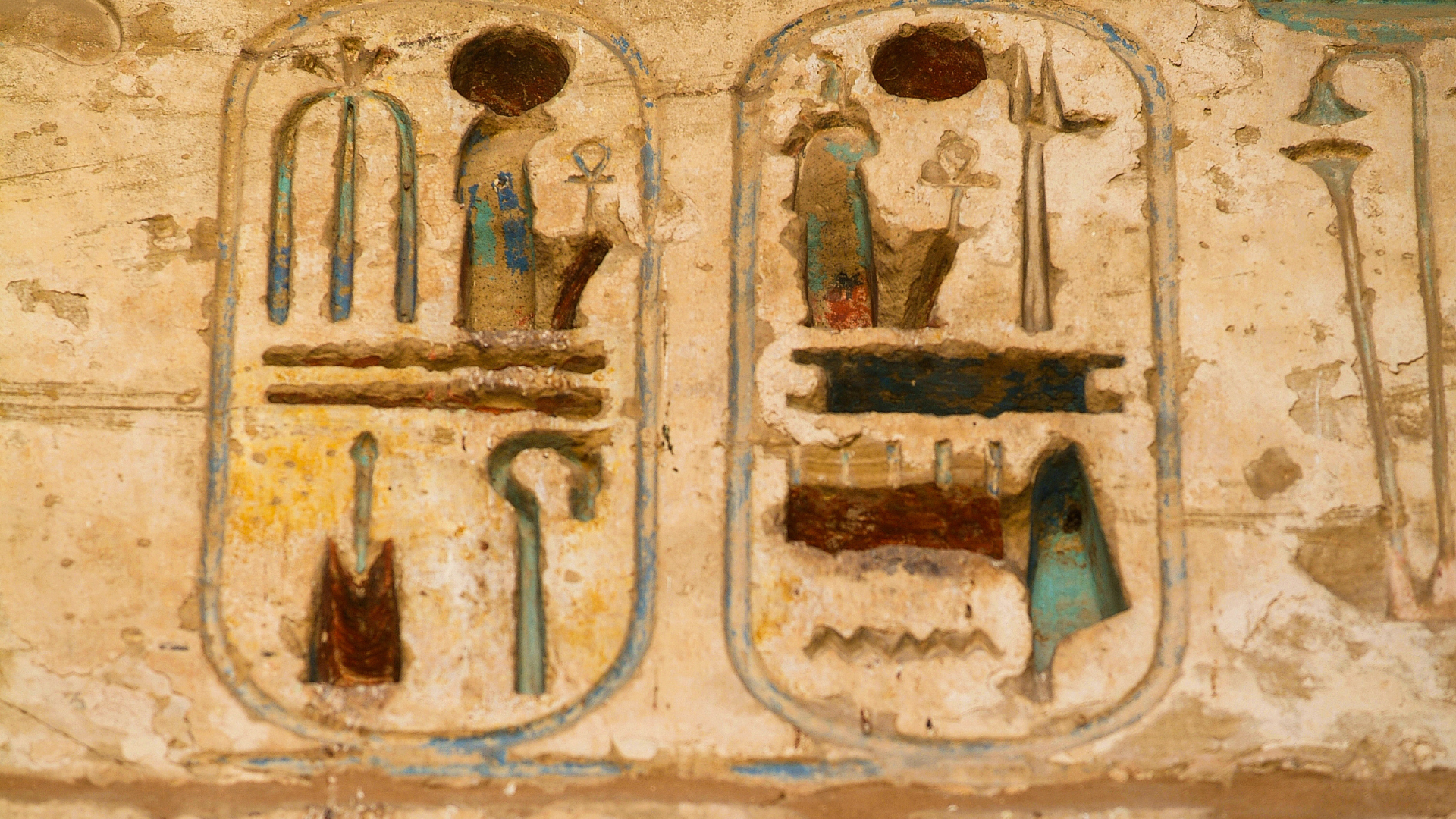
The Temple of Medinet Habu, situated on the west bank of the Nile in Luxor, is often overlooked by tourists. Built by Ramses III, it is renowned for its well-preserved wall reliefs depicting battles and religious scenes. The intricate carvings and architecture make it one of the most important and beautiful temples of the New Kingdom period.
The Tombs of the Nobles
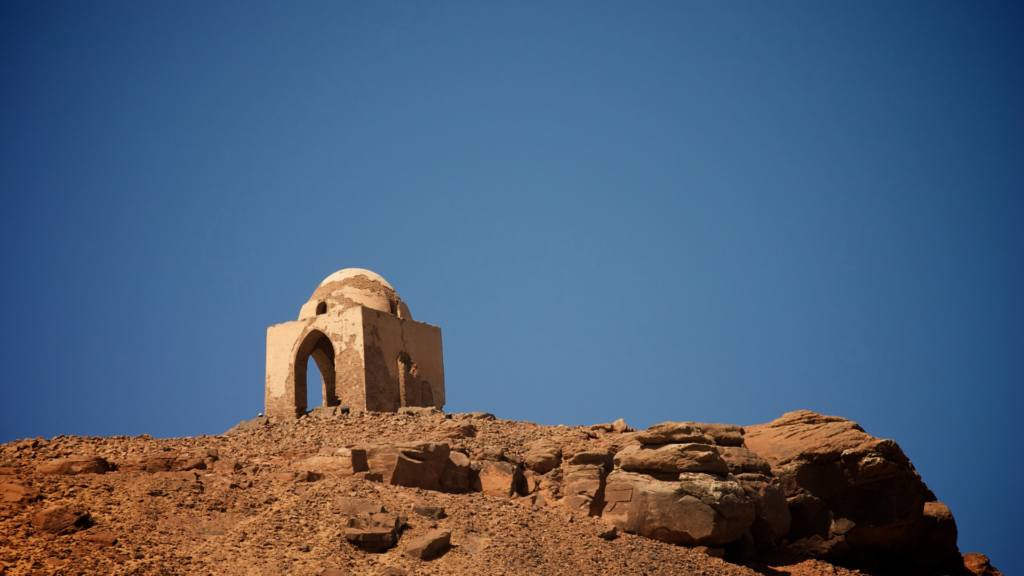
The Tombs of the Nobles, located near Luxor, offer a different perspective on ancient Egyptian life. These tombs belong to high-ranking officials and provide detailed scenes of daily life, agriculture, and family affairs. The Tombs of the Nobles offer a more intimate glimpse into the lives of those who served the pharaohs and the complexities of ancient Egyptian society.
The Temple of Seti I at Abydos
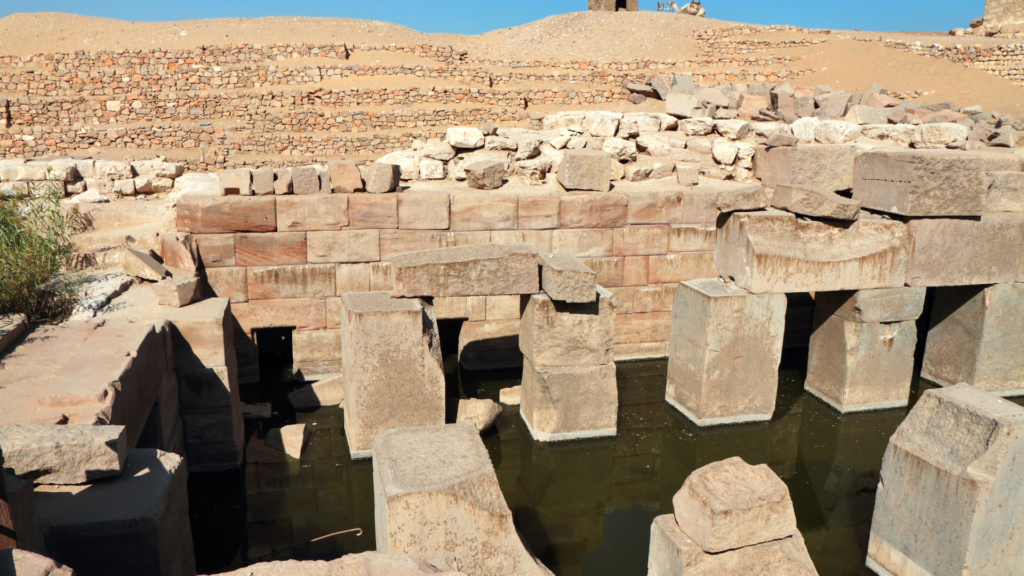
The Temple of Seti I, located in Abydos, is a hidden gem among Egypt’s ancient sites. Dedicated to Osiris, this temple is famous for its stunning reliefs and the Abydos King List, a chronological list of Egyptian pharaohs. The temple’s elaborate decorations and historical significance make it an essential stop for history enthusiasts.
Stepping Back In Time
Exploring Egypt is like stepping back in time to an era of pharaohs, gods, and monumental achievements. Each site offers a unique window into the past, revealing the mysteries and marvels of a civilization that continues to captivate the world. From the grandeur of the pyramids to the intricacies of lesser-known tombs and temples, Egypt’s ancient wonders are a testament to human ingenuity and the enduring legacy of one of history’s greatest civilizations.
You might also like: